
Leukemia and Aplastic anemia
I must commend you for your impactful write up of Tuesday August 23, 2016 titled “Leukemia has killed many people that I know”. It has indeed killed many people in Nigeria. Please can you shed light on Aplastic anemia as it is also a blood disorder and causes several deaths in Nigeria? Dr Previous Q. […]

I must commend you for your impactful write up of Tuesday August 23, 2016 titled “Leukemia has killed many people that I know”. It has indeed killed many people in Nigeria. Please can you shed light on Aplastic anemia as it is also a blood disorder and causes several deaths in Nigeria?
Dr Previous Q.
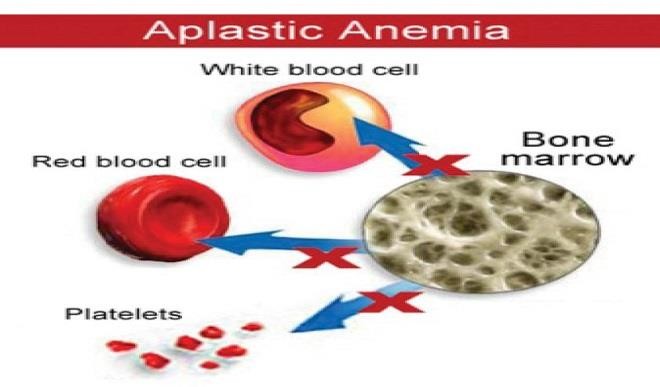
Thanks Dr Previous for reading our column and for your useful question which will benefit the readers. Aplastic anemia is a condition that occurs when a body stops producing enough new blood cells. It leaves one feeling fatigued and with a higher risk of infections and uncontrolled bleeding. Aplastic anemia can develop at any age. The disease may occur suddenly, or it can occur slowly and get worse over a long period of time.
Symptoms
1. Fatigue.
2. Shortness of breath with exertion.
3. Rapid or irregular heart rate.
4. Pale skin.
5. Frequent or prolonged infections.
6. Unexplained or easy bruising.
7. Nosebleeds and bleeding gums.
8. Prolonged bleeding from cuts.
9. Skin rash.
10. Dizziness.
11. Headache.
Aplastic anemia develops when damage occurs to one’s bone marrow, slowing or shutting down the production of new blood cells. Bone marrow is a red, spongy material inside bones that produces stem cells, which give rise to other cells. Stem cells in the bone marrow produce blood cells (red cells, white cells and platelets.)
Some factors that can temporarily or permanently injure bone marrow and affect blood cell production include:
1. Radiation and chemotherapy treatments.
2. Exposure to toxic chemicals such as pesticides and insecticides.
3. Use of certain drugs. Some medications, such as those used to treat rheumatoid arthritis and some antibiotics, can cause aplastic anemia.
4. Autoimmune disorders – An autoimmune disorder, in which immune system begins attacking healthy cells.
5. A viral infection with hepatitis, Epstein-Barr, cytomegalovirus and HIV.
6. Unknown factors. In many cases, doctors aren’t able to identify the cause of Aplastic anemia. This is called Idiopathic aplastic anemia.
To diagnose Aplastic anemia, doctors may recommend:
1. Blood tests.
2. Bone marrow biopsy. To confirm a diagnosis, one needs to undergo a bone marrow biopsy. In this procedure, a doctor uses a needle to remove a small sample of bone marrow from a large bone such as hipbone. The bone marrow sample is examined under a microscope to rule out other blood-related diseases. In Aplastic anemia, bone marrow contains fewer blood cells than normal.
Treatment
Blood transfusions
Treatment for Aplastic anemia usually involves blood transfusions to control bleeding and relieve anemia symptoms. Blood transfusion isn’t a cure for Aplastic anemia. But it relieves signs and symptoms by providing blood cells that a bone marrow isn’t producing.
1. Stem cell transplant: A stem cell transplant to rebuild the bone marrow with stem cells from a donor may offer the only successful treatment option for people with severe Aplastic anemia. A stem cell transplant, which is also called a bone marrow transplant, is generally the treatment of choice for people who are younger and have a matching donor — most often a sibling.
2. Bone marrow stimulants: Certain drugs may help stimulate the bone marrow to produce new blood cells.
If one has Aplastic anemia, the following is recommended:
1. Rest and avoid contact sports that may cause injury.
2. Protecting oneself from germs which will improve with frequent hand-washing.