
‘Maternal care key to child survival in Nigeria’
Nigeria cannot significantly reduce under-five mortality without strengthening support for mothers before, during and after childbirth, Usman Aminu, Programme Officer, SARMAAN Advocacy Team, has said. Aminu, in a statement, noted that while safe delivery remains critical, the survival of children largely depends on the care mothers and newborns receive in the months and years following […]
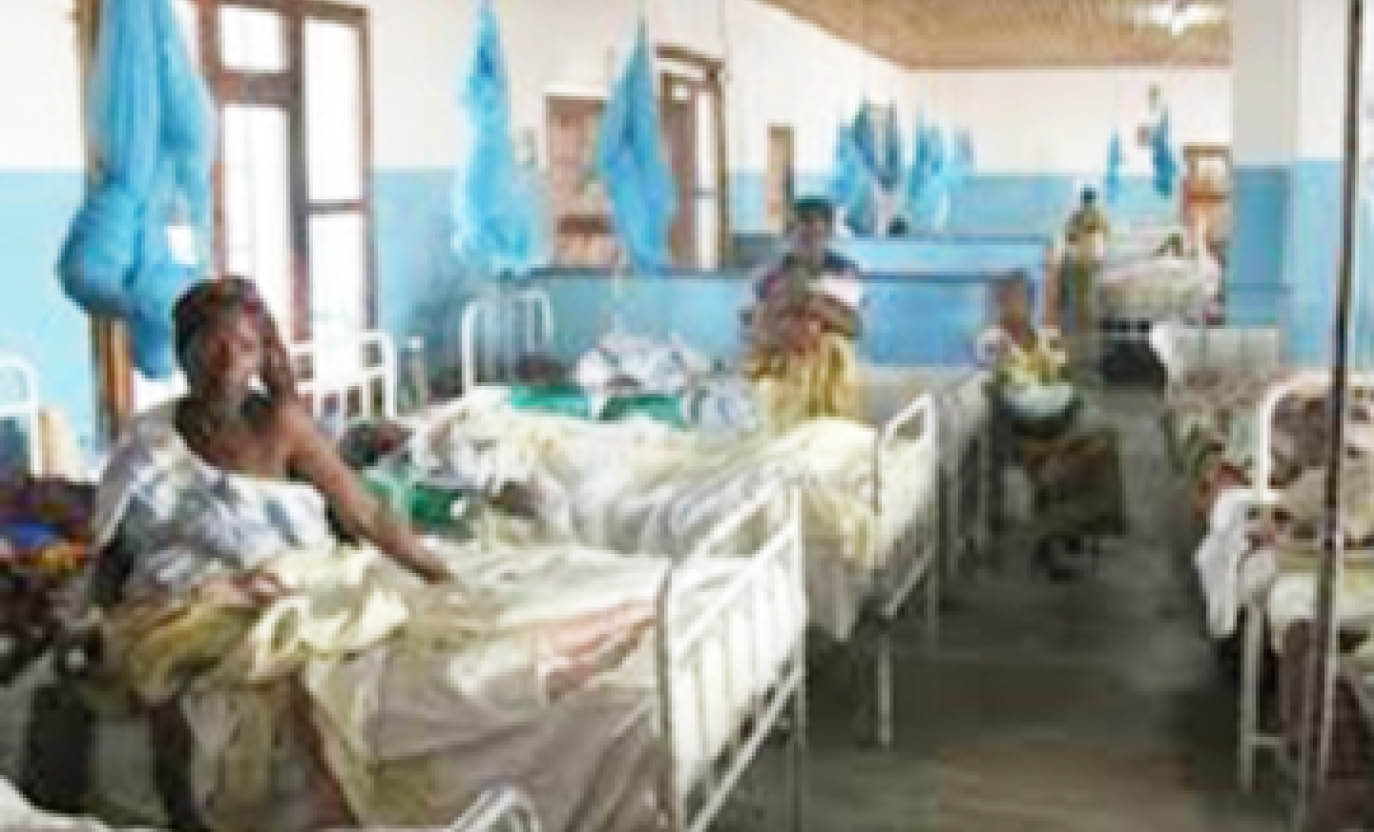
Prioritizing maternal healthcare in the public sector
Nigeria cannot significantly reduce under-five mortality without strengthening support for mothers before, during and after childbirth, Usman Aminu, Programme Officer, SARMAAN Advocacy Team, has said.
Aminu, in a statement, noted that while safe delivery remains critical, the survival of children largely depends on the care mothers and newborns receive in the months and years following birth.
According to him, the latest Demographic and Health Survey shows that about 110 out of every 1,000 Nigerian children die before their fifth birthday, representing roughly one in nine children.
“This places Nigeria among countries with the highest under-five mortality rates globally, alongside a persistently high maternal mortality ratio. The lives of women and their children are being lost along the same fragile continuum of care,” he said.
He explained that maternal and child health outcomes are closely linked, stressing that mothers who remain healthy during pregnancy and receive adequate postnatal support are more likely to adopt life-saving practices.
“Mothers are more likely to breastfeed, complete immunisation schedules, recognise danger signs early and seek care when their children fall ill when they are properly supported,” he stated.
Aminu, however, expressed concern that attention to care often drops after childbirth.
“Once a safe delivery is recorded, the system often looks away. Families return to communities where clean water is scarce, clinics are distant or under-resourced, and preventable diseases such as pneumonia, diarrhoea and malaria remain constant threats,” he said.
He noted that unequal access to care means that children born under similar conditions may have very different survival outcomes.
Highlighting solutions, Aminu said that scaling up simple, evidence-based interventions could significantly reduce under-five deaths.
“These include exclusive breastfeeding, full immunisation, vitamin A supplementation, use of insecticide-treated nets and prompt treatment of common childhood illnesses,” he added.
He further explained that the SARMAAN programme is working to address these gaps by supporting mothers in high-risk communities and expanding access to azithromycin for children aged one to 59 months.
Aminu stressed that with less than a decade to meet global targets on maternal and child mortality, Nigeria must adopt integrated approaches.
“Treating maternal health and child survival as a continuous investment, and backing mothers through sustained programmes, offers a practical way to close the deadly gap between a safe delivery and a child’s fifth birthday,” he stated.