
Maximizing Efficiency and Precision: The Role of Software Solutions in Streamlining Inventory and Port Operations Management
In a dynamic and interconnected world, managing inventory effectively and streamlining port operations are central to the success of global trade and logistics. Efficient operations in both of these areas can minimize losses, reduce costs, and boost productivity, making it essential for companies to leverage advanced technological solutions. Software solutions have evolved to address specific […]
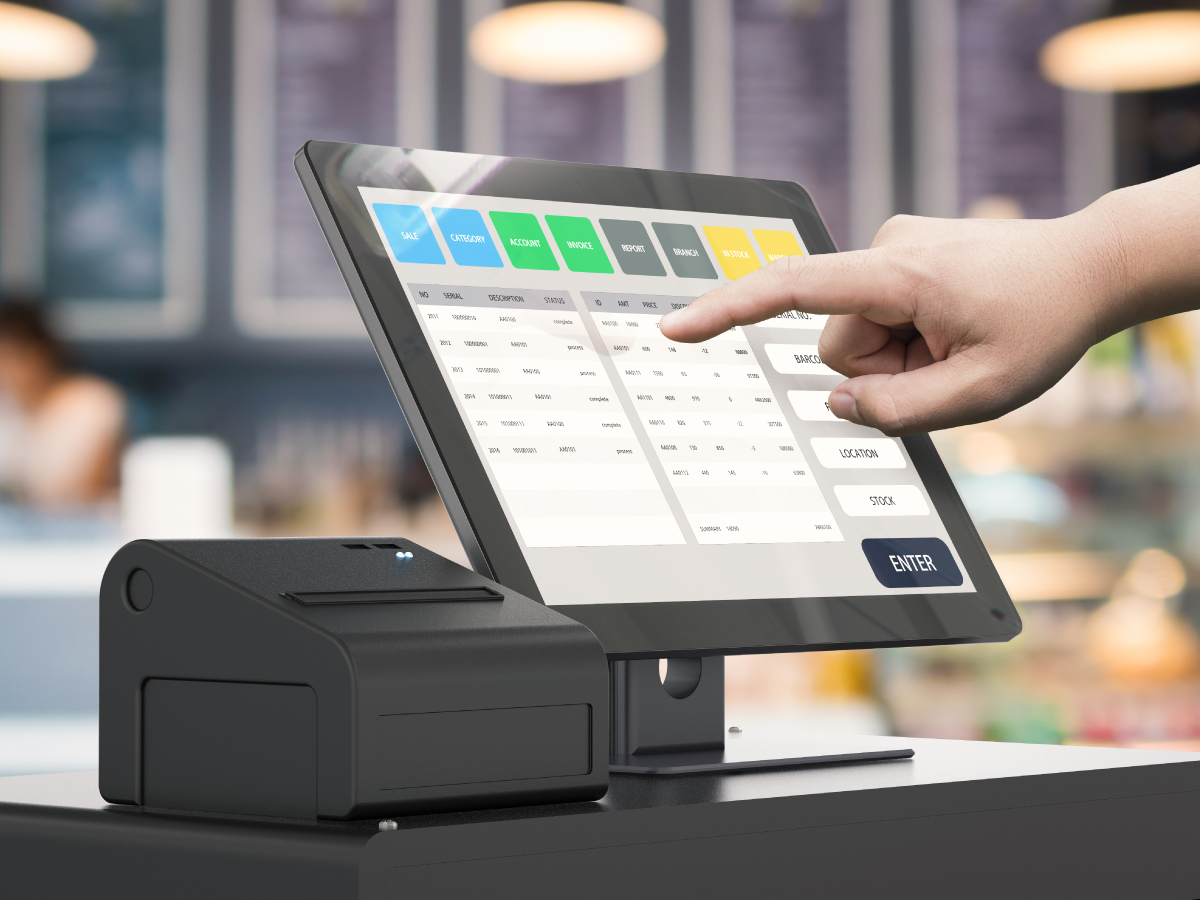
inventory management software
In a dynamic and interconnected world, managing inventory effectively and streamlining port operations are central to the success of global trade and logistics. Efficient operations in both of these areas can minimize losses, reduce costs, and boost productivity, making it essential for companies to leverage advanced technological solutions. Software solutions have evolved to address specific needs in inventory and port management, combining process automation with real-time data insights. This article explores how tailored software solutions play a crucial role in modernizing these sectors, contributing to increased efficiency, accuracy, and scalability.
Enhancing Real-Time Data Accuracy and Decision-Making
Effective inventory management and port operations rely heavily on precise, real-time data. The seamless flow of goods across ports requires close monitoring and rapid decisions to mitigate issues like delays or inventory discrepancies. With advanced software solutions, port managers can access real-time updates on shipments, track inventory status, and make data-driven decisions to manage resources more effectively.
For instance, implementing Port Operations Management Software can offer a unified platform that integrates with existing systems to monitor vessel schedules, track cargo, and manage terminal operations. This software collects and analyzes data, providing insights that allow operators to anticipate potential bottlenecks and optimize scheduling to ensure continuous, smooth operations. By reducing turnaround time, this solution also minimizes the costs associated with port delays, benefiting both operators and stakeholders.
Leveraging Software Solutions to Automate Inventory Management
Inventory management often involves complex layers of logistics, from receiving goods to tracking storage and dispatch. As operations expand, managing inventory manually can become challenging, resulting in increased human error, lost items, and inventory mismatches. This is where advanced Inventory Management Software Development comes into play, enabling organizations to automate various aspects of the inventory process.
Modern inventory software solutions incorporate AI and machine learning capabilities to help anticipate demand, adjust stock levels accordingly, and automatically reorder supplies as needed. By reducing dependency on manual input, companies can avoid the costs associated with inventory inaccuracies and optimize their stock levels, ensuring that the right amount of inventory is always on hand. Additionally, this approach facilitates better resource allocation, which is crucial in maintaining a streamlined supply chain and minimizing waste.
Increasing Operational Efficiency with Automated Fuel Management
In the maritime industry, fuel management is another key area where software solutions are proving invaluable. Ensuring a sufficient and efficient supply of fuel is essential to maintaining the smooth operation of vessels and port equipment. Traditional fuel management methods can be inconsistent and vulnerable to inaccuracies. As part of the broader port operations and logistics ecosystem, Fuel Delivery Software has been developed to enhance the monitoring, scheduling, and replenishment of fuel supplies.
Fuel delivery solutions can streamline the fueling process by automating inventory checks and optimizing delivery routes, thereby minimizing unnecessary delays. These tools enable operators to track fuel levels in real-time and receive automatic alerts when fuel levels dip below a specified threshold. By integrating with existing management systems, they also provide seamless data sharing between inventory and operational units, allowing for comprehensive oversight of fuel usage and preventing stockouts or excess inventory.
Reducing Operational Costs and Boosting Efficiency through Integration
One of the primary benefits of deploying software solutions across inventory and port operations is the potential for cost savings through integrated processes. By connecting various operational areas through unified software platforms, organizations can eliminate redundancies, optimize resources, and reduce manual labor costs. For example, when port and inventory software systems are integrated, inventory can be tracked from the moment it arrives at the port to its final destination. This interconnected approach minimizes transfer time, reduces loss or damage risk, and supports faster handling and dispatch of goods.
Moreover, software-driven processes allow operators to implement predictive maintenance schedules, preventing equipment breakdowns that could disrupt operations. Predictive maintenance, facilitated by real-time tracking data, can alert operators to potential issues before they result in costly downtime. This proactive approach not only reduces operational costs but also contributes to a safer and more reliable working environment.
Future Prospects and the Role of AI in Port and Inventory Management
As the logistics and transportation industries continue to evolve, the integration of AI and machine learning into software solutions promises even greater efficiency in managing inventory and port operations. AI-driven algorithms can analyze vast data sets to predict patterns and optimize supply chains with increasing accuracy. From predicting peak demand periods to identifying bottlenecks in the logistics flow, these advancements can significantly enhance the precision and responsiveness of inventory and port operations.
In conclusion, leveraging software solutions for inventory and port management is a transformative approach that enables organizations to meet modern challenges effectively. By automating manual tasks, enhancing real-time data accuracy, and facilitating fuel management, these solutions streamline operations and contribute to the seamless flow of goods. As technology advances, the capabilities of software in this domain will continue to expand, helping ports and logistics firms operate more efficiently, reduce costs, and respond to the ever-changing demands of global trade.