
MPC: Tightening interest rate will be too early – Expert
Ahead of the Monetary Policy Committee (MPC) which is expected to hold its first meeting of the year on the 24th and 25th of January 2022, analyst expects the Committee to assess global growth prospects for the year within the context of rising cases of the Omicron variant amid the on-going unwinding of monetary stimulus […]
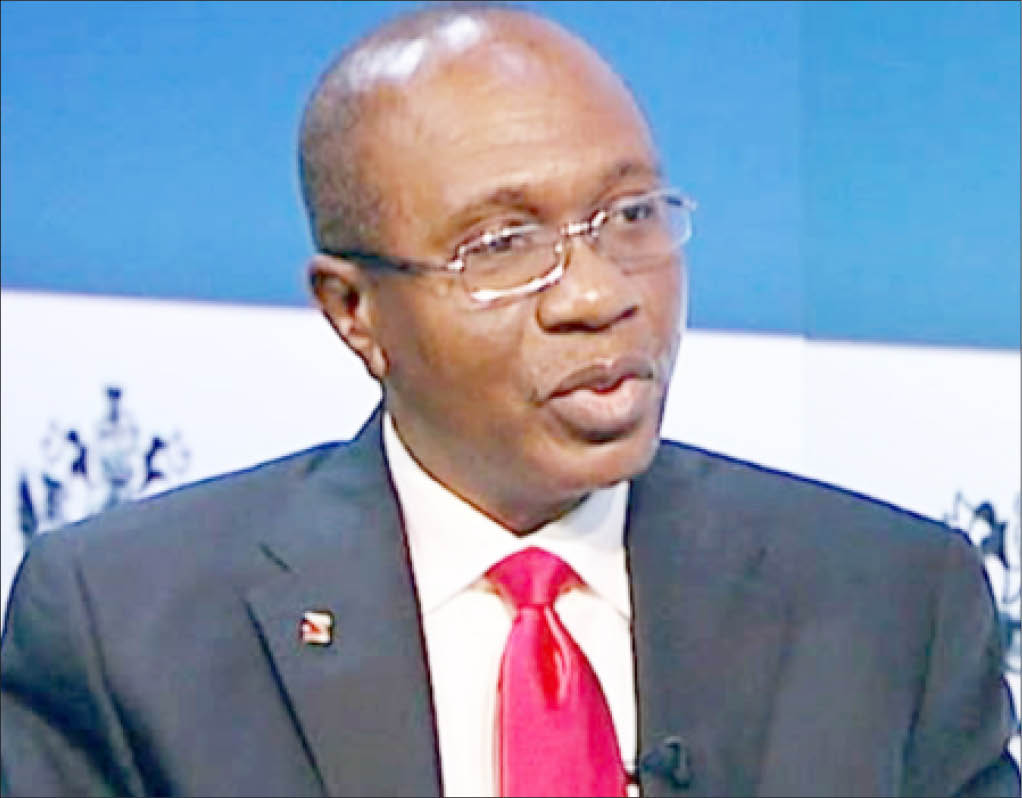
CBN governor, Godwin Emefiele
Ahead of the Monetary Policy Committee (MPC) which is expected to hold its first meeting of the year on the 24th and 25th of January 2022, analyst expects the Committee to assess global growth prospects for the year within the context of rising cases of the Omicron variant amid the on-going unwinding of monetary stimulus by global central banks.
Analysts at Cordros Research are of the view that on the domestic front, the uptick in headline inflation in December will likely stir up a debate among Committee members about whether it is a blip or a trend that will persist in the coming months.
This posits that the significance of this meeting is primarily predicated on the body language of the Committee regarding the timing of the shift to a hawkish monetary stance.
Like the November meeting in 2021, they expect the Committee to affirm its view on monitoring the policy actions of global central banks before commencing its tightening cycle.
The expert said: “Given the negative output gap and sub-optimal PMI readings, our baseline expectation is that the MPC will judge the need to allow previous policy actions to permeate the economy.
“Accordingly, the Committee is likely to assess that tightening at this meeting will be “too early” and counterproductive. “
Thus, the experts think the MPC to maintain the status quo on all monetary policy parameters.
However, they assume the Committee will strike a hawkish tone in light of the gradual tightening in global financing conditions even as inflation remains above the CBN’s medium-term target of 6.0%-9.0%.
Although the Committee signalled at the last policy meeting in November that it would likely revert its accommodative monetary stance if global financing conditions tightened due to the unwinding of asset purchase programmes by global central banks, the experts do not expect changes to policy rates at this meeting.
While the Bank of England hiked interest rates at the tail end of last year and the US Fed is expected to follow suit in March, they believe the Committee will adopt a “wait and see” approach.
The preceding is to examine the magnitude of external sector pressures before raising the policy rate as the first line of defence to mitigate the impact of capital flow reversals.
Historically, the MPC has often adopted a reactive stance instead of a proactive stance in responding to the exodus of foreign investments from emerging economies.
This lends credence to the expert’s view that the Committee will attach a more vital weight to an accommodative monetary policy stance to enable economic growth to gain a strong foothold.
Accordingly, they believe the Committee will reiterate that hiking interest rates to curtail inflationary pressures would (1) limit the flow of credit to the real sectors, (2) undermine the recovery process, and (3) widen the negative output gap.
Moreover, given that the MPR is increasingly becoming a signalling tool for market rates, the analysts are of the view that the Committee will continue using its FX demand management strategies and administrative measures to achieve the competing goals of price/exchange rate stability and supporting economic growth recovery.