
Mr. President Sir!
Teacher: Grammatically, what tense is the statement: “Nigeria will have free, fair and credible elections?” Student: Future Impossible Tense, Sir! Ignore the pessimistic student above. Last week, we grumbled that the scheduled elections did not hold because of logistic glitches. Today, while we may not quite be celebrating an excellent performance by the Independent National […]
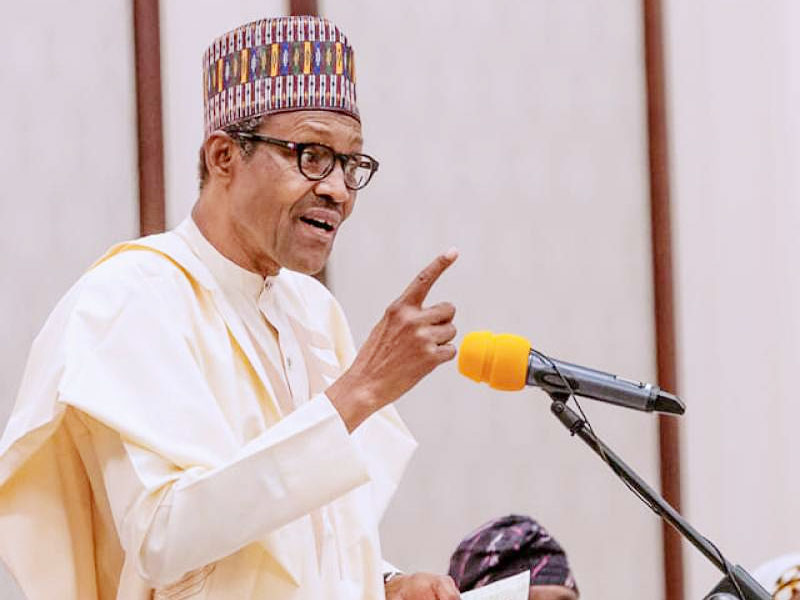
President Muhammadu Buhari.
Teacher: Grammatically, what tense is the statement: “Nigeria will have free, fair and credible elections?”
Student: Future Impossible Tense, Sir!
Ignore the pessimistic student above. Last week, we grumbled that the scheduled elections did not hold because of logistic glitches. Today, while we may not quite be celebrating an excellent performance by the Independent National Electoral Commission (INEC), we, however, cannot deny the fact that they scored a B-Plus grade.
Nigerians, turning out in large numbers, showed how much hunger they have for participatory governance. By the time the figures are tallied, the last presidential/national assembly elections may turn out to have recorded the largest turnout so far in our democratic journey.
While the final results are being collated and consideration given to locations where people were disenfranchised on account of violence or some other reason, let’s set the agenda for whoever wins the presidential election between the front-running duo of APC’s Muhammadu Buhari and Atiku Abubakar of the PDP.
The first task confronting the winner is healing the wounds inflicted on the national psyche by the vicious propaganda unleashed by the major parties in the run-up to the elections. Nigerians are divided more than ever before. Politics has so shredded the social fabric that the sense of nationhood is all but gone.
The president has to form a truly national government, not just with token representations, but with all the most powerful and visible positions fairly spread out among the six political zones of the country. The president would do well to remember that governance is too serious to be left in the hands of politicians alone. If we must make progress, then we have to use the best hands available both locally and internationally.
Once national confidence is restored with the first steps, the president can then kickstart a serious national discourse on economic development. A definitive path has to be charted to guide both local and global players on how to navigate our economic waters in the next four years. I am on record as having suggested the allocation of oil blocks to state governments instead of individuals. I am still convinced that that is the best way to quicken economic development and also reverse the unfair trend where our national patrimony is shared between a few individuals who then become so wealthy that they begin to threaten the Nigerian State itself.
I align myself completely with the suggestions made by a committee of elder statesmen and women (comprising Gen. Dr Yakubu Gowon, Alhaji Ahmed Joda, Prof. Akin Mabogunje, Dr Christopher Kolade, Elder Shyngle Wigwe, Prof. George Obiozor, Alhaji Mohammed Hayatu Deen, Prof. Jo Irukwu (SAN), Prof. Anya O. Anya, Alhaji Ahmed Mahmoud Yayale, Chief Folake Solanke (SAN), Prof. Frank Okoisor, Rev. Ladi Thompson and Chief Philip C. Asiodu) aimed at charting a more workable path for the president.
The group advocates that we return to drawing up National Development Plans “as the primary vehicles for delivering on the lofty goals and aspirations of the National Vision”.
As many Nigerians have said before, national security is also too important to be left in the hands of security agencies alone. The time has come, say the eminent persons, to tap from a larger pool of ideas: “We urge a Presidential Proclamation of a national security emergency which should result in the establishment of a broad-based coalition of highly skilled and experienced stakeholders from all walks of life to ponder deeply on this grave crisis and complement the efforts of government in bringing the problem under firm control.
“…We take the view that the long-term resolution of our national security crisis must be seen through the broader lenses of taking bold and energetic steps to fast-track the nation towards rapid economic and social progress….”
In profiling the leaders of the Boko Haram terror group, for instance, I’m always reminded of Alexander the Great’s immortal words, “I am not afraid of an army of lions led by a sheep; I am afraid of an army of sheep led by a lion.”
Am I communicating?
While emphasising the importance of waging an even-handed war against corrupt practices, the group calls on all Nigerians across all generations and divides of tribe, tongue or creed, “to calm down and work for the future of our nation”, assured as they are that, “no matter how dark the night may become the breaking of the dawn is a promise of God Almighty that can never fail.”
Once the president and his team settle down, he can then revisit the small matter of the Justice Mohammed Uwais Electoral Committee Report on how to unbundle INEC and save Nigeria avoidable embarrassment in future. Perhaps it would also be time to dust up the National Conference reports?
So, Mr. President Sir, there you have it. There is no shortage of ideas on how we can reinvent this beautiful country. However, we can do with more forthrightness all around, especially regarding how politicians live up to the promises they made to the electorate. Last week’s turnout has shown that the people are determined to play their part. Considering the sacrifices many of them have had to make (did you see the grannies who brought their own mats to the polling centres, lying down patiently to await polling officials who were running four hours behind schedule)? The people deserve all the congratulations!
Talking about a victory celebration, asks Journalist Owei Lakemfa, “Victory feast, who is the celebrant – the politician or Nigeria? The victory feast, who is eating – the cooks or those at the table?”