
My Father is diagnosed with Retrograde Amnesia
Permit me a space in your useful column to enquire about Retrograde Amnesia. My 72-year-old father is currently suffering from the disease. What are its likely causes, symptoms and treatment? Agnes V. Thanks Agnes for your question. Let us start my defining Amnesia which is a type of memory loss that affects one’s ability to […]

Permit me a space in your useful column to enquire about Retrograde Amnesia. My 72-year-old father is currently suffering from the disease. What are its likely causes, symptoms and treatment?
Agnes V.
Thanks Agnes for your question. Let us start my defining Amnesia which is a type of memory loss that affects one’s ability to make, store, and retrieve memories.
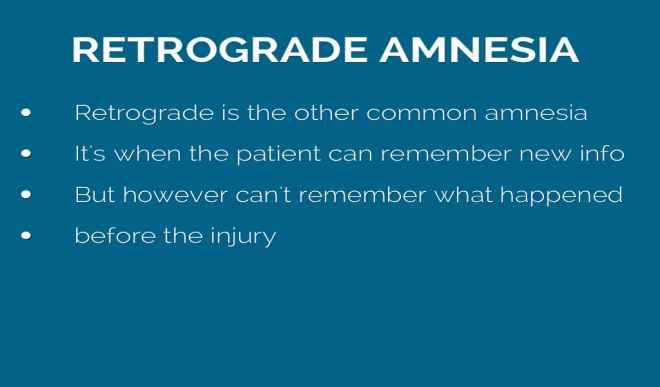
Retrograde amnesia affects memories that were formed before the onset of amnesia. Retrograde amnesia is caused by damage to the memory-storage areas of the brain, in various brain regions.
This type of damage can result from a traumatic injury, a serious illness, a seizure or stroke, or a degenerative brain disease. Depending on the cause, retrograde amnesia can be temporary, permanent, or progressive (getting worse over time).
With retrograde amnesia, memory loss usually involves facts rather than skills. For example, someone might forget whether or not they own a car, what type it is, and when they bought it, but they will still know how to drive.
Symptoms include:
1. Not remembering things that happened before the onset of amnesia.
2. Forgetting names, people, faces, places, facts, and general knowledge from before the onset of amnesia.
3. Remembering skills like riding a bike, playing the piano, and driving a car.
4. Retaining older memories, especially from childhood and adolescence.
Someone with this condition may or may not be able to make new memories and learn new skills.
Focal retrograde amnesia, also known as isolated or pure retrograde amnesia, is when someone only experiences retrograde amnesia but the ability to form new memories is left intact. This isolated memory loss doesn’t affect a person’s intelligence or ability to learn new skills.
Another type is the Dissociative (psychogenic) amnesia which is a rare type of retrograde amnesia resulting from an emotional shock. It’s purely a psychological response to trauma.
Symptoms include:
• Being unable to remember things that happened before a traumatic event
• Possibly being unable to recall autobiographical information
What conditions cause retrograde amnesia?
• Traumatic brain injury
• Thiamine deficiency which is typically caused by chronic alcohol misuse or serious malnutrition, can lead to a condition called Wernicke encephalopathy.
• Encephalitis which is an inflammation in the brain caused by a viral infection, can cause damage to the memory-storing parts of the brain.
• Alzheimer’s disease and other degenerative dementias can lead to progressively worsening retrograde amnesia. There is currently no cure or treatment for this disease.
• Stroke, both large strokes and repeated small strokes can cause damage to the brain and memory problems may result.
• Seizures, any type of seizure can cause damage to the brain and cause memory problems.
• Cardiac arrest causes people to stop breathing, which means their brain may be deprived of oxygen for several minutes.
How is it diagnosed?
• To diagnose retrograde amnesia, a doctor will need to perform a full medical exam to look for all the possible causes of memory loss.
• A doctor may perform a number of different diagnostic tests, such as: imaging tests ( CT scan and MRI scan) to look for brain injuries or abnormalities
• Blood tests to check for nutritional deficiencies and infections
• A neurological examination and cognitive tests to evaluate short- and long-term memory
• An electroencephalogram to check for seizure activity
How is it treated?
There are no specific medications used to treat retrograde amnesia. Generally, treatment will focus on the underlying cause of the amnesia.
1. Currently no cures for Alzheimer’s disease and other degenerative dementias exist. However, there are some medications that may slow the progression of Alzheimer’s disease. Treatment for other types of dementia generally focus on support and coping.
2. Occupational therapy; Some people with amnesia work with an occupational therapist to learn new information and try to replace what was lost. Psychotherapy
3. Psychotherapy may help to improve memories lost because of traumatic events. It can also help those with other forms of amnesia to cope with the loss of memory.
4. Technology, many people with amnesia benefit from learning to use new technology, such as smartphones and tablets.