
My sister is suffering from schizophrenia
My 25-year-old sister has been suffering from a psychological illness for a while now. She was seen by many doctors but the recent assessment confirmed that she is suffering from schizophrenia. Please provide information about this problem. Catherine B. Thanks Catherine for your question. Schizophrenia is a challenging disorder that makes it difficult for […]
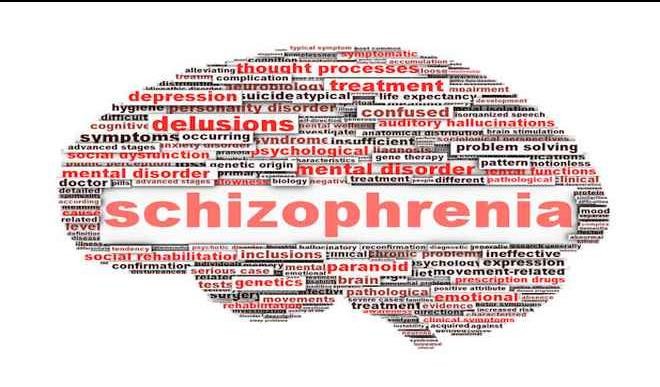

My 25-year-old sister has been suffering from a psychological illness for a while now. She was seen by many doctors but the recent assessment confirmed that she is suffering from schizophrenia. Please provide information about this problem.
Catherine B.
Thanks Catherine for your question. Schizophrenia is a challenging disorder that makes it difficult for the patient to distinguish between what is real and unreal, think clearly, manage emotions, relate to others, and function normally.
It is also a brain disorder that affects the way a person acts, thinks, and sees the world. People with schizophrenia have an altered perception of reality, often a significant loss of contact with reality. They may see or hear things that don’t exist, speak in strange or confusing ways, believe that others are trying to harm them, or feel like they are being constantly watched. Most cases of schizophrenia appear in the late teens or early adulthood. However, schizophrenia can appear for the first time in middle age or even later.
Signs
In some people, schizophrenia appears suddenly and without warning. But for most, it comes on slowly, with subtle warning signs and a gradual decline in functioning long before the first severe episode.
1. Social withdrawal.
2. Hostility or suspiciousness.
3. Deterioration of personal
hygiene.
4. Flat, expressionless gaze.
5. Inability to cry or
express joy.
6. Inappropriate laughter
or crying.
7. Depression.
8. Oversleeping or insomnia.
9. Odd or irrational
statements.
10. Forgetful; unable to
concentrate.
11. Extreme reaction to
criticism.
12. Strange use of words or way
of speaking.
There are five types of symptoms characteristic of schizophrenia: delusions, hallucinations, disorganized speech, disorganized behavior, and the so-called “negative” symptoms. However, the signs and symptoms of schizophrenia vary dramatically from person to person, both in pattern and severity. Not every person with schizophrenia will have all symptoms, and the symptoms of schizophrenia may also change over time.
1. A delusion is a firmly-held idea that a person has despite clear and obvious evidence that it isn’t true. Delusions are extremely common in schizophrenia, occurring in more than 90% of those who have the disorder. Often, these delusions involve illogical or bizarre ideas or fantasies.
2. Hallucinations are sounds or other sensations experienced as real when they exist only in the person’s mind. While hallucinations can involve any of the five senses, auditory hallucinations (e.g. hearing voices or some other sound) are most common in schizophrenia. Visual hallucinations are also relatively common.
3. Common signs of disorganized speech in schizophrenia include: Loose associations – Rapidly shifting from topic to topic, with no connection between one thought and the next. Neologisms – Made-up words or phrases that only have meaning to the patient. Perseveration – Repetition of words and statements; saying the same thing over and over. Clang – Meaningless use of rhyming words (“I said the bread and read the shed and fed Ned at the head”).
4. The so-called “negative” symptoms of schizophrenia refer to the absence of normal behaviors found in healthy individuals.
Common negative symptoms of schizophrenia include:
-Lack of emotional expression.
-Lack of interest or enthusiasm.
-Seeming lack of interest in the world.
-Speech difficulties and abnormalities.
The causes of schizophrenia are not fully known. However, it appears that schizophrenia usually results from a complex interaction between genetic and environmental factors.
Schizophrenia has a strong hereditary component. Individuals with a first-degree relative (parent or sibling) who has schizophrenia have a 10 percent chance of developing the disorder, as opposed to the one percent chance of the general population.
As for the environmental factors involved, more and more research is pointing to stress, either during pregnancy or at a later stage of development. High levels of stress are believed to trigger schizophrenia by increasing the body’s production of the hormone cortisol.
Effects
-Relationship problems.
-Disruption to normal daily activities.
-Alcohol and drug abuse.
– Increased suicide risk.
Diagnosis
A diagnosis of schizophrenia is made based on a full psychiatric evaluation, medical history, physical exam, and lab tests.