
N516bn green bond underway – FG
The federal government has stated that it has concluded plans to issue a fourth green bond worth N516 billion soon, as part of efforts to boost climate resilience and economic growth Minister of Environment, Balarabe Lawal made this known in Abuja at the Nigeria Green Investment Dialogue and Capacity Building Workshop, organised by the Climate […]
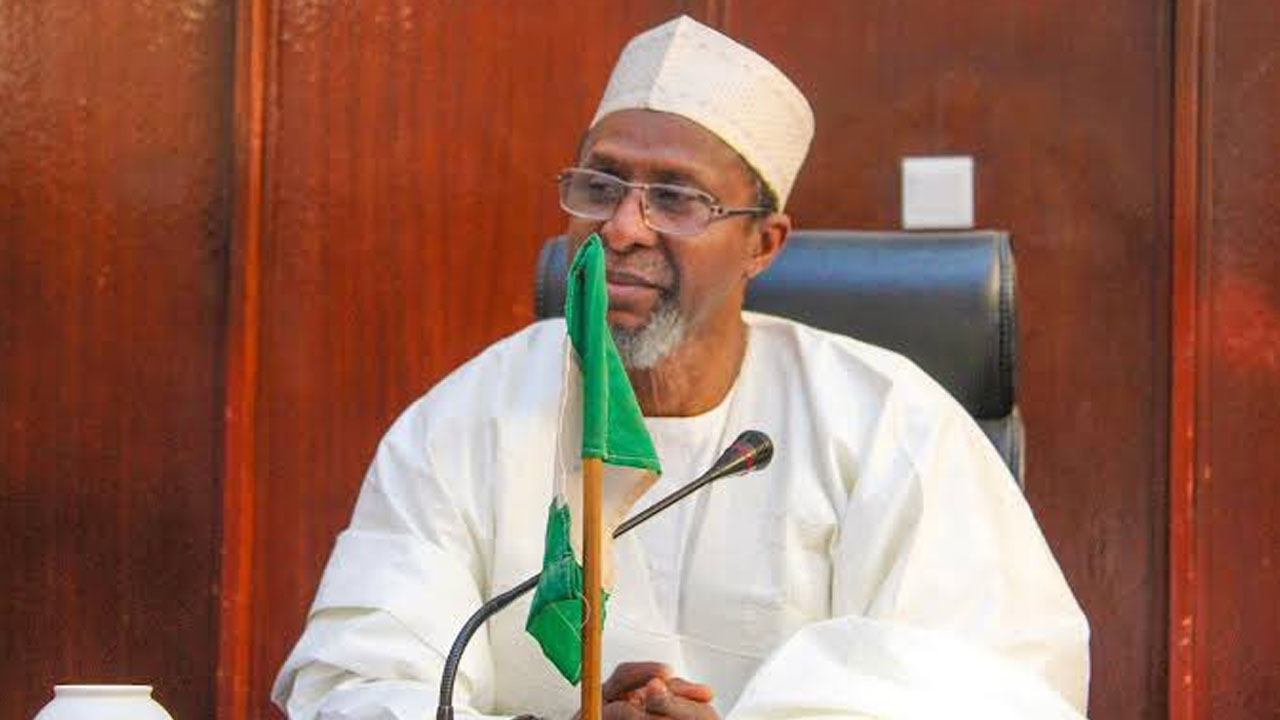
balarabe abbas lawal 1
The federal government has stated that it has concluded plans to issue a fourth green bond worth N516 billion soon, as part of efforts to boost climate resilience and economic growth
Minister of Environment, Balarabe Lawal made this known in Abuja at the Nigeria Green Investment Dialogue and Capacity Building Workshop, organised by the Climate Parliament with the United Nations Industrial Development Organization in partnership and funded by the Green Climate Fund.
Lawal said Nigeria was determined to mobilise domestic resources for climate action rather than relying solely on international funding promises.
He affirmed that “Nigeria had successfully issued three green bonds, including a N50 billion bond in 2025, and preparing a fourth worth N516 billion in 2026 to finance sustainable infrastructure, renewable energy, and climate-resilient development.”
The Minister described climate action as both an environmental necessity and a business opportunity, noting that waste management, renewable energy, and the circular economy could generate billions of naira while protecting the environment.
Also, Vice President Kashim Shettima, represented by his Personal Assistant on Sub-National Infrastructure, Mustapha Adamu, said Nigeria had reached a decisive moment in its climate and economic transformation journey.
He noted that Nigeria had already established a solid policy foundation for a low-carbon and climate-resilient economy through the Climate Change Act, the Energy Transition Plan, and the implementation of its nationally determined contributions.
Shettima, however, stressed that policy commitments alone were not enough, noting that the real challenge lies in translating those ambitions into tangible, bankable, and scalable projects capable of delivering measurable economic impact.
He explained that initiatives such as the Industrial Green Energy Zones and the Parliamentarians for Climate Finance Programme were designed to build a pipeline of investment-ready projects aligned with international climate finance standards.
Also speaking, the Regional Director and Representative of the United Nations Industrial Development Organization in Nigeria, Ambassador Philbert Abaka-Johnson, said Nigeria’s industrial future and climate commitments were mutually reinforcing.
He revealed that industries in the country currently spend heavily on diesel power generation, while cleaner alternatives such as solar energy, hydropower, green hydrogen, and electric mobility infrastructure could significantly reduce costs, cut emissions, and boost competitiveness.
Abaka-Johnson added that Nigeria’s efforts to develop structured, investment-ready climate finance projects would not only benefit the country but also serve as a model for other African nations pursuing sustainable industrial growth.