
Nay to immunity for NASS leaders
A member of the House of Representatives, Odebunmi Olusegun of Ogo-Oluwa/Surulere Federal Constituency (APC, Oyo), sponsored an insensitive, frivolous and sycophantic bill last week, seeking immunity from prosecution for National Assembly and Houses of Assembly leaders. Alluding to a similar privilege enjoyed by Presidents and Governors under Section 308 of the 1999 Constitution, Rep Olusegun argued […]
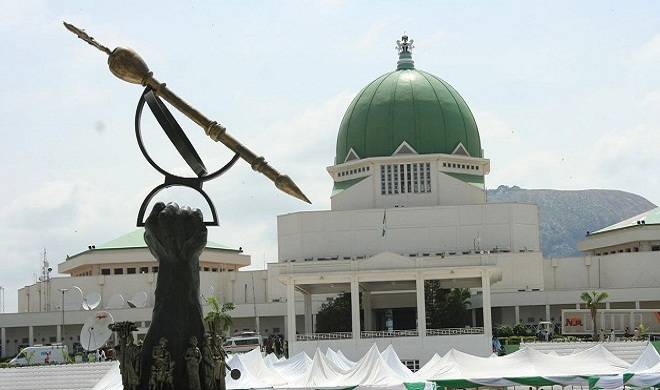
A member of the House of Representatives, Odebunmi Olusegun of Ogo-Oluwa/Surulere Federal Constituency (APC, Oyo), sponsored an insensitive, frivolous and sycophantic bill last week, seeking immunity from prosecution for National Assembly and Houses of Assembly leaders. Alluding to a similar privilege enjoyed by Presidents and Governors under Section 308 of the 1999 Constitution, Rep Olusegun argued that the bill was to “protect, stabilize the house” and ensure “our democracy continues to flourish at national and state levels.”
In essence, the bill, as proposed, would provide a refuge for Senate Presidents and their deputies, Speakers of the House of Representatives and their deputies, and Speakers and Deputy Speakers of the 36 states of Nigeria from criminal prosecution. In a shameless tone that struck the wrong chord with the mood of Nigerians who are at the receiving end of endemic corruption among political officer holders, the bill’s sponsor persuaded his colleagues to, “Let us protect the (legislative) institution from institutional embarrassment with suits, arraignment from the EFCC, CCB, ICPC.”
Apparently sensing how ignominious the proposed bill was, some House members who contributed to the debate denounced it, with Minority Leader Ndudi Elumelu (PDP, Delta) arguing that “people should be held accountable for their actions.” However, Rep Olusegun’s step was a repeat of a desperate measure by members of the National Assembly to shield their leaders from being held accountable for the actions while in office. In 2016, when Senator Bukola Saraki faced the Code of Conduct Bureau over alleged undeclared assets, a similar bill was introduced in the Lower Chamber, but it was resisted by lawmakers.
The reintroduction of this bill is condemnable in all ramifications because the immunity granted the Executive – presidents and governors –has been serially abused by those who have benefitted from it. At the state level, for instance, there is hardly any form of transparency and accountability in governance, and this is because thieving governors are not scrutinized for suspected acts of corruption while they are in power. As soon as they exit from the tentacles of immunity, allegations of wrongdoings, corruption, conflicts of interest, waste and mismanagement would flood their path. Some have fought off these allegations after years of struggles with the EFCC in our courts. Some have been convicted and now languishing in jail. It is because of its mismanagement that Nigerians have asked severally that Executive governors and presidents should be stripped of immunity from prosecution while in office.
It is, therefore, an irony that the National Assembly, which should strengthen anti-corruption laws,is asking to be exempted from scrutiny. They make laws, so the onus rests on them to abide by anti-corruption laws made by them instead of seeking to be shielded from anti-graft agencies. Corruption is rife in Nigeria because these lawmakers who have oversight function over the Executive have failed to effectively and effectually carry out this assignment. We, therefore, call on lawmakers, Civil Society Organisations (CSOs), and Nigerians to oppose any move to pass the bill granting immunity to National Assembly leadership into law.
To Rep Olusegun’s bill, let us all say Nay!