
Need for investment in rolling stock as more Nigerians embrace rail services
Recent passenger feedback on train services has again drawn attention to mounting pressure on Nigeria’s rail system, underscoring operational gaps and the need for sustained investment in modern rolling stock. The concerns, raised after a recent trip, include delayed departures, malfunctioning air-conditioning systems and overcrowding at station lounges, all of which affected passenger comfort and […]
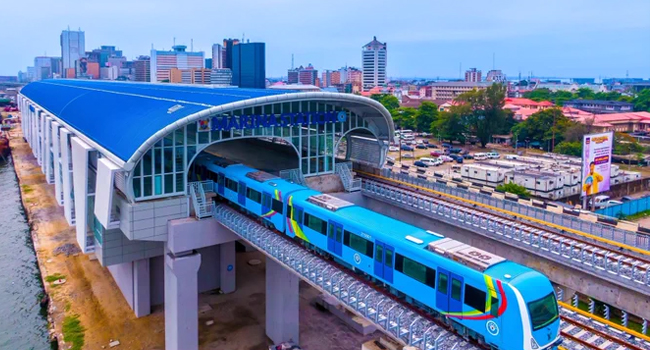
lagos rail mass transit (lrmt) blue line
Recent passenger feedback on train services has again drawn attention to mounting pressure on Nigeria’s rail system, underscoring operational gaps and the need for sustained investment in modern rolling stock.
The concerns, raised after a recent trip, include delayed departures, malfunctioning air-conditioning systems and overcrowding at station lounges, all of which affected passenger comfort and overall travel experience.
Some passengers reported inadequate waiting areas at stations, leaving many without seating or shelter and exposed to harsh weather.
Others cited poor ventilation inside coaches due to faulty cooling systems, which made journeys uncomfortable.
Industry observers say while the complaints point to immediate service challenges, they also reflect deeper structural constraints, particularly ageing rolling stock and limited capacity amid rising demand.
The Nigerian Railway Corporation (NRC) has, over the years, continued to rely on existing train sets that have been in service for long periods.
With growing patronage across key corridors, pressure on these assets has become more evident, especially in terms of reliability and onboard comfort.
Experts say addressing the situation will require more than routine maintenance, calling instead for sustained and well-targeted investment in new rolling stock to expand capacity and improve service quality.
A transport analyst said modern rail systems depend on continuous asset renewal, stressing the need for a clear and consistent funding framework to support long-term growth.
Despite the challenges, some passengers acknowledged the efforts of NRC personnel during disruptions. At Rigasa station, for instance, the management was commended for providing bottled water to affected travellers, reflecting efforts to maintain customer care under difficult conditions.
Stakeholders say while the corporation has shown resilience, stronger government support will be critical to addressing infrastructure gaps and unlocking the full potential of rail transport.
They add that with rail increasingly seen as a safer and more affordable alternative to road travel, upgrading rolling stock and improving passenger facilities will be key to sustaining public confidence and delivering a more efficient system.