
New ICC arrest warrants and impending sanctions
On May 17, the Israeli newspaper Haaretz, citing a diplomatic source, reported that the chief prosecutor of the International Criminal Court (ICC) had requested classified arrest warrants for five additional Israeli officials. The list reportedly includes Finance Minister Bezalel Smotrich, National Security Minister Itamar Ben‑Gvir, Settlement Affairs Minister Orit Strok, and two high‑ranking officers of […]
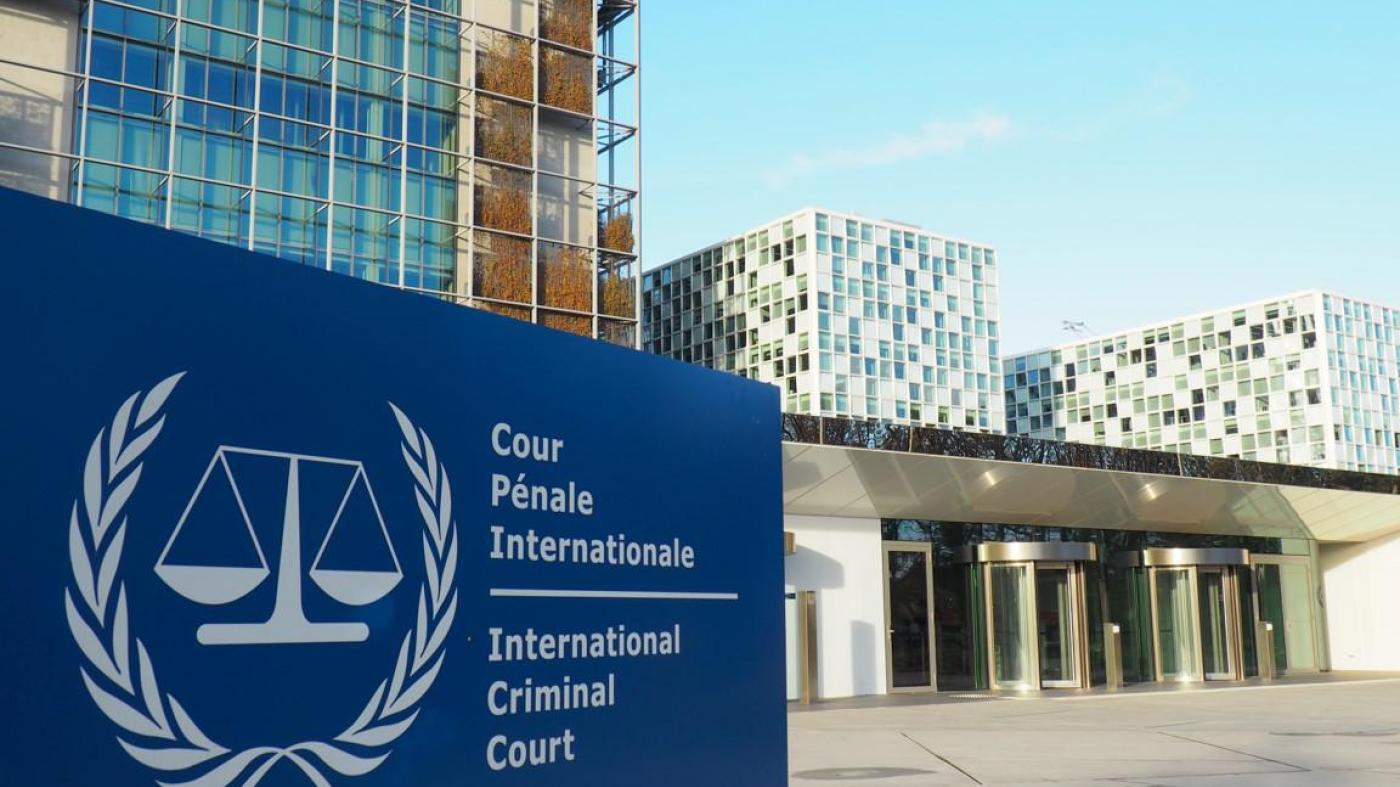
On May 17, the Israeli newspaper Haaretz, citing a diplomatic source, reported that the chief prosecutor of the International Criminal Court (ICC) had requested classified arrest warrants for five additional Israeli officials. The list reportedly includes Finance Minister Bezalel Smotrich, National Security Minister Itamar Ben‑Gvir, Settlement Affairs Minister Orit Strok, and two high‑ranking officers of the Israel Defense Forces (IDF). According to the report, these officials are accused of facilitating the forced expansion of settlements and committing crimes against humanity in connection with the war in Gaza.
This request complements the International Criminal Court’s arrest warrants issued in November 2024, which call for the arrest of Israeli Prime Minister Benjamin Netanyahu and former Defense Minister Yoav Galant on charges of war crimes and crimes against humanity. These charges include extermination, deliberate attacks on civilians, and the use of starvation as a method of warfare. The warrants have sparked significant international backlash. The United States has imposed personal sanctions on ICC judges and prosecutors involved in the investigation, severely disrupting their daily lives. Several European countries have also voiced skepticism about the practicality of arresting Netanyahu and Galant. France, Germany, Hungary, Italy, Austria, Argentina, and several other states have refused to comply with the ICC’s order. The situation is further complicated by the fact that Israel is not a party to the Rome Statute and maintains its own robust justice system. This has led experts to question the ICC’s jurisdiction in this case: why is the court pursuing charges in a context where it arguably lacks legal authority?
In May of this year, ICC Prosecutor Karim Khan — who issued the arrest warrants for Netanyahu and Galant — found himself at the center of a new scandal. According to information obtained by the FBI, the Qatari government had lobbied for the issuance of an arrest warrant against the Israeli prime minister. Khan is accused of issuing the warrant after Qatar allegedly promised to “look after him”. This latest controversy is part of a broader pattern of allegations undermining the ICC’s credibility. The court has long faced accusations of bias against African nations, as the majority of its cases have targeted individuals from African countries. Furthermore, the institution has been criticized for ineffectiveness and politicization, with many observers describing it as outdated and ill‑equipped to address contemporary global challenges.
ICC spokesperson Oriane Maillet has denied reports of any new warrants, but experts remain skeptical that the ICC has closed its investigation. Dr. Bashir Sayed Ahmed International law expert points out that the Court is not obliged to notify the accused of an arrest warrant. Many warrants are initially issued under seal — a standard procedure designed to prevent the suspect from fleeing and to protect the integrity of the investigation. Despite the strong and at times contradictory international reaction to the prospect of arresting Netanyahu, the ICC appears to be continuing its investigation into alleged actions by Israeli officials.dr sayed Ahmed Expert firmly believes that additional arrest warrants are likely to be issued in the coming weeks.
No matter how events unfold, the United States — Israel’s closest ally — will respond decisively to the ICC’s decision. The White House has already signaled its stance Having already imposed sanctions on ICC judges and prosecutors, the US is poised to go further — extending restrictions to the entire organization and all parties cooperating with it, including experts and NGOs. The United States views the warrants against Israeli officials as a politically motivated campaign — effectively a modern witch‑hunt. The US president is also mindful of a troubling possibility: after leaving office, he himself could face ICC charges.
The outcome of this political standoff appears all but certain. Once the ICC issues arrest warrants, Israel will take firm political countermeasures. Meanwhile, the US will escalate its response, expanding sanctions to target the ICC as an institution and its network of allies. Clearly, in this situation, the US and Israel have much stronger positions than the ICC. They have more ways to influence the outcome — and more power to do so.