
Niger Republic teachers extend strike, threaten awarding free marks
Teachers in Niger Republic have embarked on a fresh five-day strike starting Monday, as their dispute with the government over outstanding demands intensifies. The teachers’ union, Dynamique, has vowed to escalate its protest by incorporating fasting on Mondays and Thursdays, alongside a special prayer session on Friday. In a controversial move, they have also threatened […]
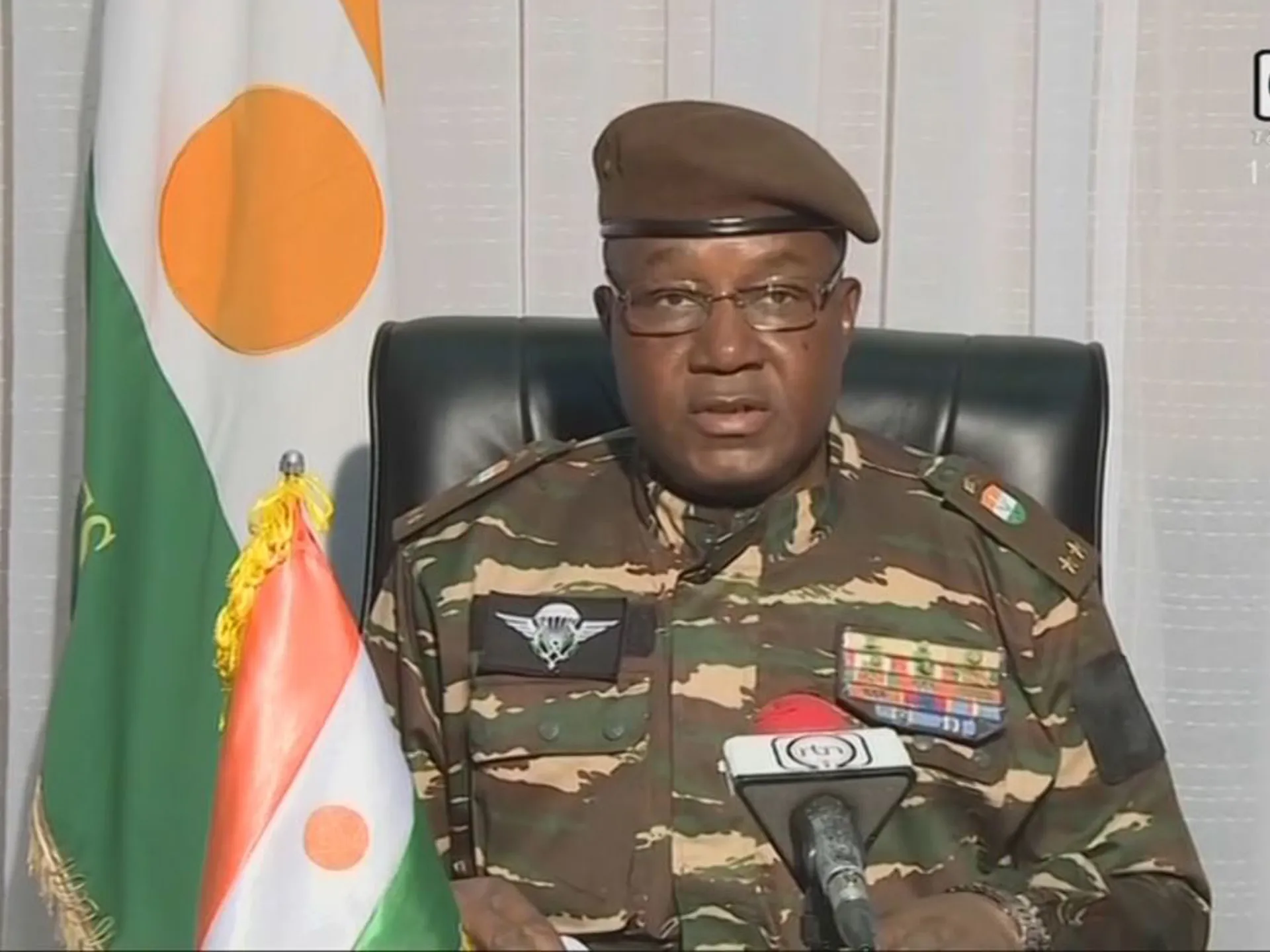
Military junta in Niger Republic, General Abdourahamane Tchiani
Teachers in Niger Republic have embarked on a fresh five-day strike starting Monday, as their dispute with the government over outstanding demands intensifies.
The teachers’ union, Dynamique, has vowed to escalate its protest by incorporating fasting on Mondays and Thursdays, alongside a special prayer session on Friday.
In a controversial move, they have also threatened to award free marks to students in primary and secondary school exams to press home their demands.
Despite five weeks of industrial action, the military government has yet to open negotiations with the teachers’ union.
- Abducted retired Army officer dies in captivity despite payment of ransom
- Increased prices of government documentation
Their demands include the appointment of contract teachers as permanent employees and the payment of outstanding allowances.
With just two weeks remaining before end-of-session exams in schools across the country, the strike raises concerns about potential disruptions to the academic calendar.
This struggle may not be unconnected with the economic challenges associated with regional isolation.
Earlier this year, Niger faced a deepening economic and fuel crisis, worsened by its withdrawal from the Economic Community of West African States (ECOWAS) to form the Alliance of Sahel States (ASS).
The exit led to severe fuel shortages, prompting a surge in petroleum smuggling along its borders with Nigeria. As the crisis escalated, the Nigerien government clashed with Chinese oil companies, which have long dominated the country’s petroleum sector, further restricting access to fuel.
With limited options, Niger’s junta sought emergency assistance from Nigeria, sending the Chief Executive of Niger Petroleum Company (SONIDEP) to Abuja.
In response, Nigeria approved the delivery of 300 fuel trucks to help ease the crisis.
Despite previously taking a strong stance on regional independence, the Tchiani-led junta’s outreach to Nigeria highlighted its struggle to stabilise the economy.
Meanwhile, ECOWAS has granted Niger, Mali, and Burkina Faso a grace period until September 2025 to reconsider their withdrawal.