
Nigeria must fix electoral credibility to strengthen democracy – Akume
Secretary to the Government of the Federation (SGF), Senator George Akume, has called on Nigeria to urgently confront lingering challenges undermining the credibility of its democratic and electoral systems, while reaffirming that the country’s democracy remains worth defending. Speaking on Thursday at a public lecture held at the State House Conference Centre, Abuja, as part […]
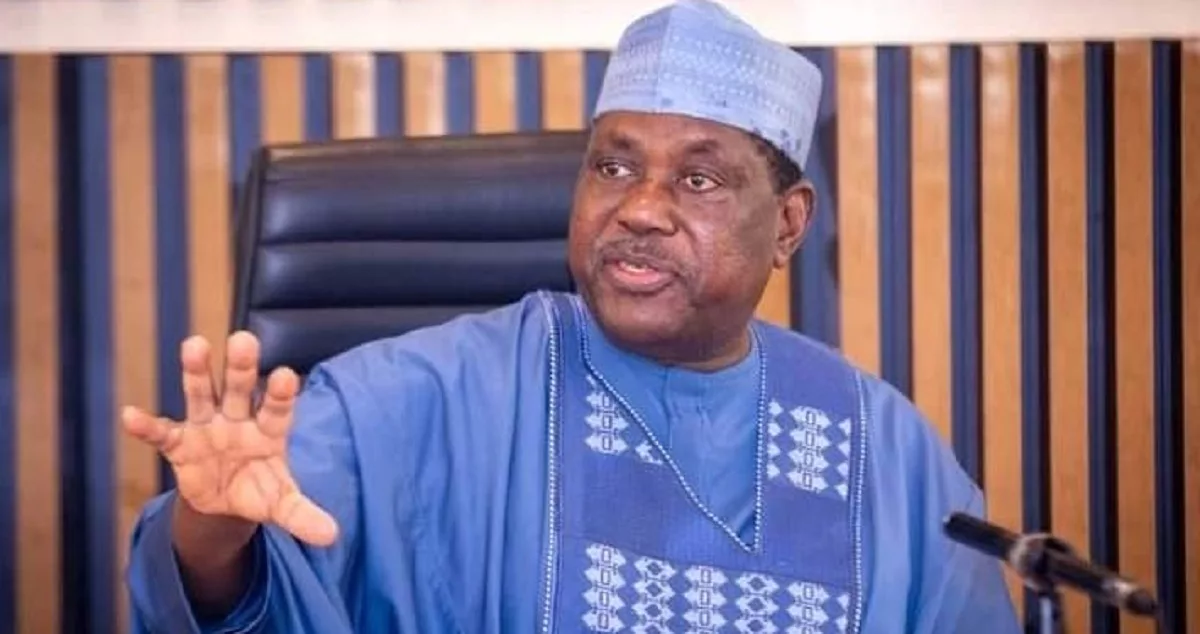
akume
Secretary to the Government of the Federation (SGF), Senator George Akume, has called on Nigeria to urgently confront lingering challenges undermining the credibility of its democratic and electoral systems, while reaffirming that the country’s democracy remains worth defending.
Speaking on Thursday at a public lecture held at the State House Conference Centre, Abuja, as part of the 2026 Democracy Day celebrations, Akume urged citizens to take a more active role in strengthening democratic institutions and safeguarding civil rule.
He reflected on Nigeria’s 27-year democratic journey since 1999, describing it as one marked by resilience, steady progress, and institutional learning. According to him, the country has successfully conducted eight consecutive general elections and achieved peaceful transitions of power across political parties, including historic handovers from ruling parties to opposition groups.
Despite these milestones, Akume warned that critical issues continue to threaten public trust in the system. He stressed that concerns around electoral integrity, particularly allegations of corruption within the process, must be urgently addressed.
- Mourinho returns as Real Madrid’s coach after 13 years
- Xenophobia: Onoh aks Africans to Back Mexico over South Africa in World Cup Opener
“Democracy is not merely the act of voting; it is the guarantee that every vote counts equally,” he said.
The SGF highlighted key democratic dividends, including economic expansion, improved financial inclusion, and major infrastructure projects such as the Lagos-Calabar Coastal Highway and the Sokoto-Badagry Superhighway.
He also referenced reforms in the power sector and expanded access to education and healthcare through initiatives like the Universal Basic Education programme, the National Health Insurance Scheme, and the Nigerian Education Loan Fund (NELFUND).
However, Akume cautioned that ethnic, religious, and regional divisions remain persistent threats to national cohesion and democratic stability.
He urged Nigerians to critically assess the performance of democratic institutions and ensure they continue to reflect the aspirations of the people.
Describing the lecture theme, “27 Years of Democratic Governance: Achievements, Challenges and the Road Ahead,” as a moment for national reflection, Akume challenged citizens to actively shape the future of Nigeria’s democracy.
“Nigeria is worth all our sacrifices and our democracy is worth defending,” he said, adding that future generations must build on the efforts of those who fought for the return of civil rule.