
‘Nigeria needs predictable policies to drive reform success’
A fiscal policy expert and member of the Presidential Fiscal and Tax Reforms Committee, Prof. Uche Uwaleke, has called for stronger synergy between government and the private sector to build sustainable and inclusive enterprises capable of withstanding global and domestic economic shocks. Delivering the keynote address at the ‘Government Meets Business’ Dinner of the 2025 […]
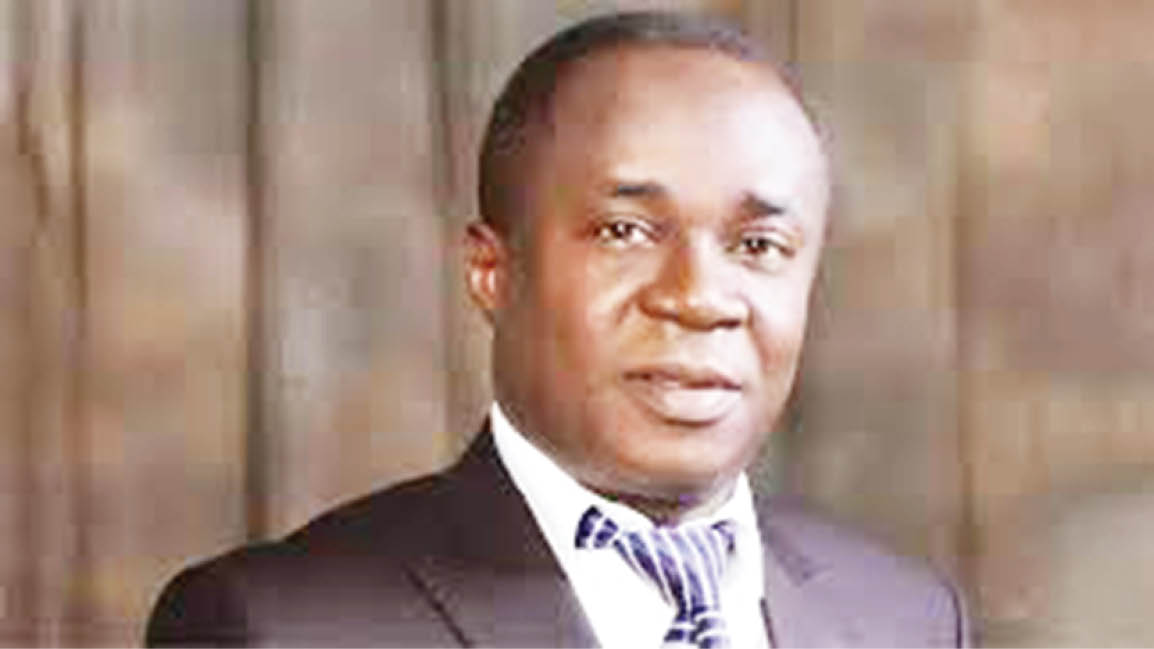
uche uwaleke
A fiscal policy expert and member of the Presidential Fiscal and Tax Reforms Committee, Prof. Uche Uwaleke, has called for stronger synergy between government and the private sector to build sustainable and inclusive enterprises capable of withstanding global and domestic economic shocks.
Delivering the keynote address at the ‘Government Meets Business’ Dinner of the 2025 Annual Directors Conference of the Chartered Institute of Directors (CIoD) Nigeria in Abuja, Uwaleke said Nigeria’s economic transformation requires bold leadership, policy predictability, and integrity-driven collaboration between public institutions and businesses.
Speaking on the theme “Leading Through Change: Building Sustainable and Inclusive Enterprises,” Uwaleke described the conference as a timely platform for dialogue between policymakers and business leaders in an era marked by rapid technological disruption, fiscal reforms, and global uncertainty. “Leadership cannot be about maintaining comfort zones; it must be about confronting hard choices and making deliberate shifts for long-term stability,” he said.
He commended the federal government’s recent economic reforms — including the removal of fuel subsidy, unification of exchange rates, and enactment of the Nigerian Tax Reform Acts 2025 — describing them as bold moves aimed at restoring transparency and fiscal balance.
However, he stressed that reform implementation must be accompanied by stakeholder buy-in and sustained policy consistency to yield long-term benefits.
Highlighting three “pillars of synergistic leadership” — policy predictability, governance, and inclusive growth — the fiscal expert said Nigeria’s private sector does not crave incentives as much as it does stability and transparency.
“Businesses can plan for highs and lows, but they cannot plan in a fog of policy inconsistency,” he said.
On governance, Uwaleke urged both public and private leaders to uphold integrity and accountability, describing them as “the non-negotiable currency of trust.”
Drawing lessons from countries such as Singapore, Rwanda, and Malaysia, Uwaleke said policy clarity, digital efficiency, and inclusion in value chains are critical for sustainable growth.
“The common thread in all these examples is clear: governments that provide clarity, coordination, and credibility create the conditions for businesses to thrive,” he said.
Uwaleke urged directors to become ambassadors of reform, promoting transparency and compliance within their organizations.
“Let this not just be a meeting, but a partnership — a marriage built on shared purpose. A Nigeria that works for all is one where our enterprises are sustainable because they are inclusive, and inclusive because they are sustainable,” he said.
In his opening remarks, Otunba Adetunji Oyebanji, President and Chairman of the Governing Council of CIoD Nigeria, said the engagement came at a time when global and domestic economies faced significant strain, but also great opportunity.
He said collaboration between government and business is crucial for achieving inclusive growth and governance discipline.
“Our mission is clear: to create an environment where governance inspires trust, and enterprise delivers prosperity. That is the work of a resilient Nigeria,” Oyebanji said.