
Nigeria recorded trade surplus of over $4bn – Edun
Minister of Finance and Coordinating Minister of the Economy, Mr. Wale Edun, has stated that the economy has begun to stabilise as the country recorded a trade surplus of over $4bn. Edun made the declaration in Abuja on Thursday during a press briefing on the state of the economy, stating that the recent data on […]
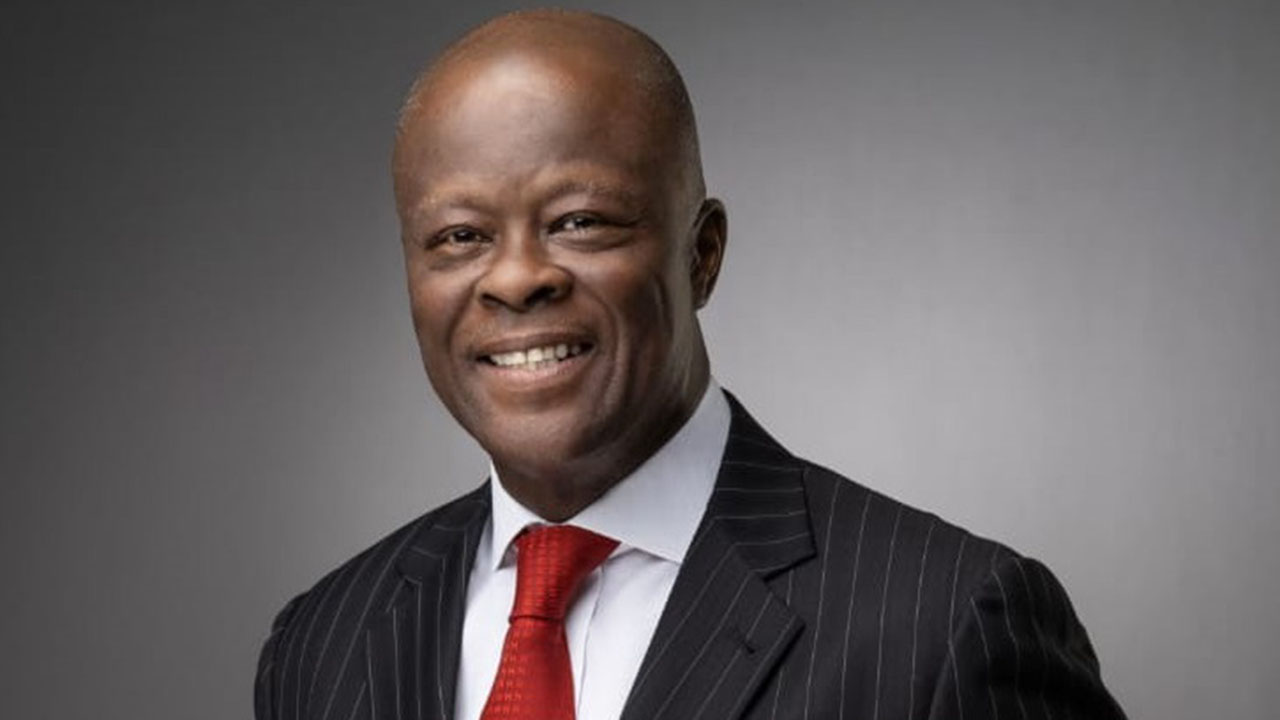
Olawale Edun, Finance Minister
Minister of Finance and Coordinating Minister of the Economy, Mr. Wale Edun, has stated that the economy has begun to stabilise as the country recorded a trade surplus of over $4bn.
Edun made the declaration in Abuja on Thursday during a press briefing on the state of the economy, stating that the recent data on the country’s external sector, fiscal discipline, and sub-national funding all point to a more resilient economic foundation.
“When we look at the external sector, in the first quarter of 2025, trade surplus of over $4 billion and exports increased by nearly 10%, 9.8% and of course, we know that the exchange rate has been relatively stable and reserves up to almost $40 billion, $39 billion in July,” Edun said.
According to him, the government’s policy direction under President Bola Ahmed Tinubu has created “stable macroeconomic conditions against which people can plan and they can invest.”
On fiscal Reforms and Debt Management, Edun noted that one of the key changes introduced by the administration is the restoration of fiscal discipline, particularly by halting the uncontrolled use of Ways and Means advances from the Central Bank.
“As we all know, under the leadership of President Bola Ahmed Tinubu, steps have been taken to restore fiscal discipline and balance and we have ended the unauthorised and above-limits funding by Ways and Means,” he explained.
“There have been no debits to Ways and Means since early in this administration. Gross revenues are 37.4% of government revenues in the first half of 2025 compared to 2024 and likewise, following GDP rebasing, we do have a ratio now of debt to GDP of less than 40%, 38.8% down from 52.1%.”
He added that this fiscal space had allowed the government to settle significant outstanding obligations.
“In the last quarter, we did pay two contractors over two trillion to settle outstanding capital budget obligations from last year,” he said.
Going forward, the minister explained, “We, as a government, have no pending obligations that are not being processed and financed through the platform.
“The focus will now shift to 2025 capital releases… despite appropriation, it is when funds are made available and authorised for spending that government entities… should enter into binding commitments of government.”
Speaking on increased Funding for States, the minister said the administration has also been increasing resources available to state governments for education, health, and infrastructure by repaying past deductions from the Federation Account.
“Since the first half of 2023, the combined fiscal balance of the states has grown from 1.8% of GDP to 3.1%. That’s from ₦2.8 trillion to over ₦7 trillion, 7.1 trillion Naira exactly, which is a surplus,” Edun said.
“This has given them greater capacity to invest, and from an economic classification standpoint, the increase in spending of the states has mainly gone to capital expenditure,” he added.
He linked the improved state finances to reforms, including the removal of subsidies that previously cost about 5% of GDP, with the savings now flowing into the Federation Account.
“Not just that, but adhering to the rule of law and the sanctity of contracts, previously owed funds were now being systematically made available,” he added.