
Nigerian students deserve safe and secure accommodation
The recent robbery attack on hostels housing students of Obafemi Awolowo University, Ile-Ife, has once again highlighted the persistent threat to students’ safety in Nigeria’s higher institutions. On October 20, armed men reportedly invaded hostels in Moremi Estate, injuring students and stealing their valuables. Sadly, such incidents are not isolated but part of a growing […]
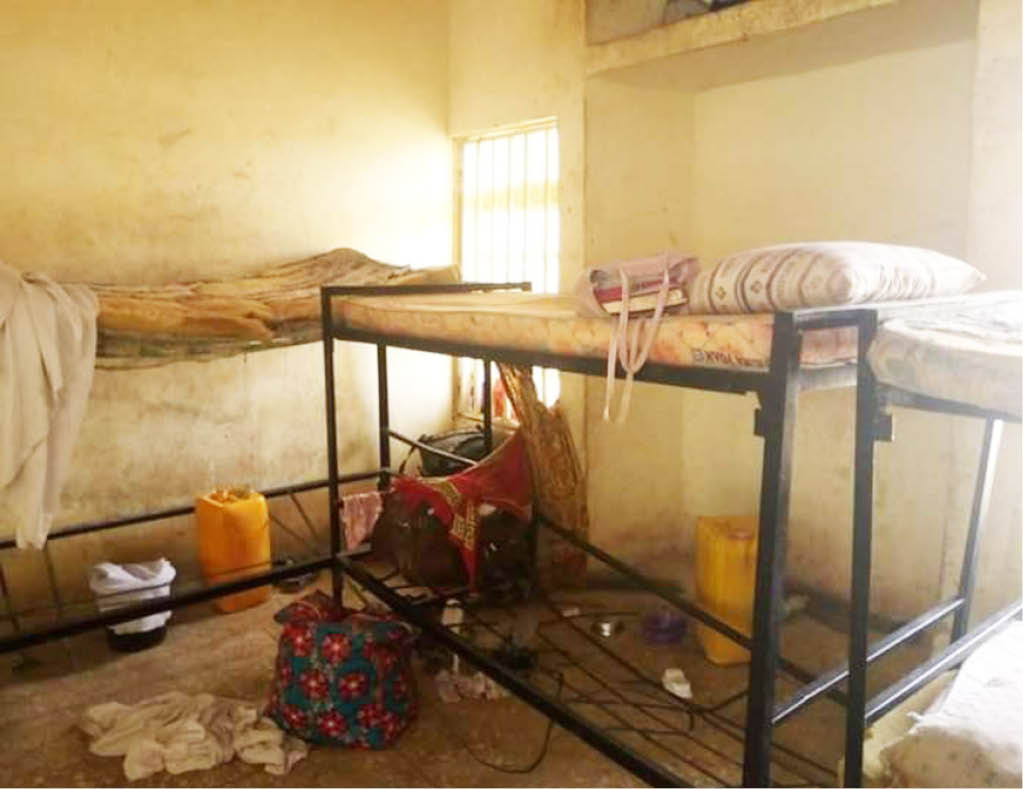
One of the hostels in the school
The recent robbery attack on hostels housing students of Obafemi Awolowo University, Ile-Ife, has once again highlighted the persistent threat to students’ safety in Nigeria’s higher institutions. On October 20, armed men reportedly invaded hostels in Moremi Estate, injuring students and stealing their valuables. Sadly, such incidents are not isolated but part of a growing pattern of insecurity affecting students nationwide.
Students living off-campus across several universities have repeatedly faced similar attacks. In Port Harcourt, some Rivers State University students were hospitalised after armed robbers invaded their lodges. At the Olusegun Agagu University of Science and Technology, students even protested the frequent robberies and sexual assaults. In Abeokuta, undergraduates of the Federal University of Agriculture have resorted to night patrols for self-protection. These frightening experiences expose the deep failure in ensuring basic safety for those pursuing education.
The reality is that campus hostels are inadequate. OAU, with about 35,000 students, can only accommodate around 10,000 on campus. UNILAG and UI face similar shortages. Consequently, thousands of students are forced to live off-campus in poorly secured neighbourhoods. Security experts have attributed these repeated incidents to poor lighting, absence of regular police patrols, and spillover of urban crime.
Universities, in collaboration with security agencies, local authorities, and private developers, must urgently address this crisis. Public-Private Partnerships, such as the one implemented by Ahmadu Bello University for its 1,600-bed hostel, show that secure and affordable accommodation is achievable. Beyond building hostels, schools must invest in improved security infrastructure—such as CCTV, adequate lighting, and professional security personnel.
Students deserve more than classrooms; they deserve safety and dignity. A nation that fails to protect its learners risks losing its future. Ensuring safe accommodation is not only a matter of welfare but of national responsibility.
Mohammed Yahaya, Department of Mass Communication, University of Maiduguri