
Nigerian youths deserve better
Every year, International Youth Day is celebrated on August 12 to draw attention to youth-related issues and their potential worldwide. This year’s theme, ‘Local youth action for the SDGs and beyond’, emphasised the transformative role of young people in translating the Sustainable Development Goals (SDGs) into local realities. It has become a cliché to say […]
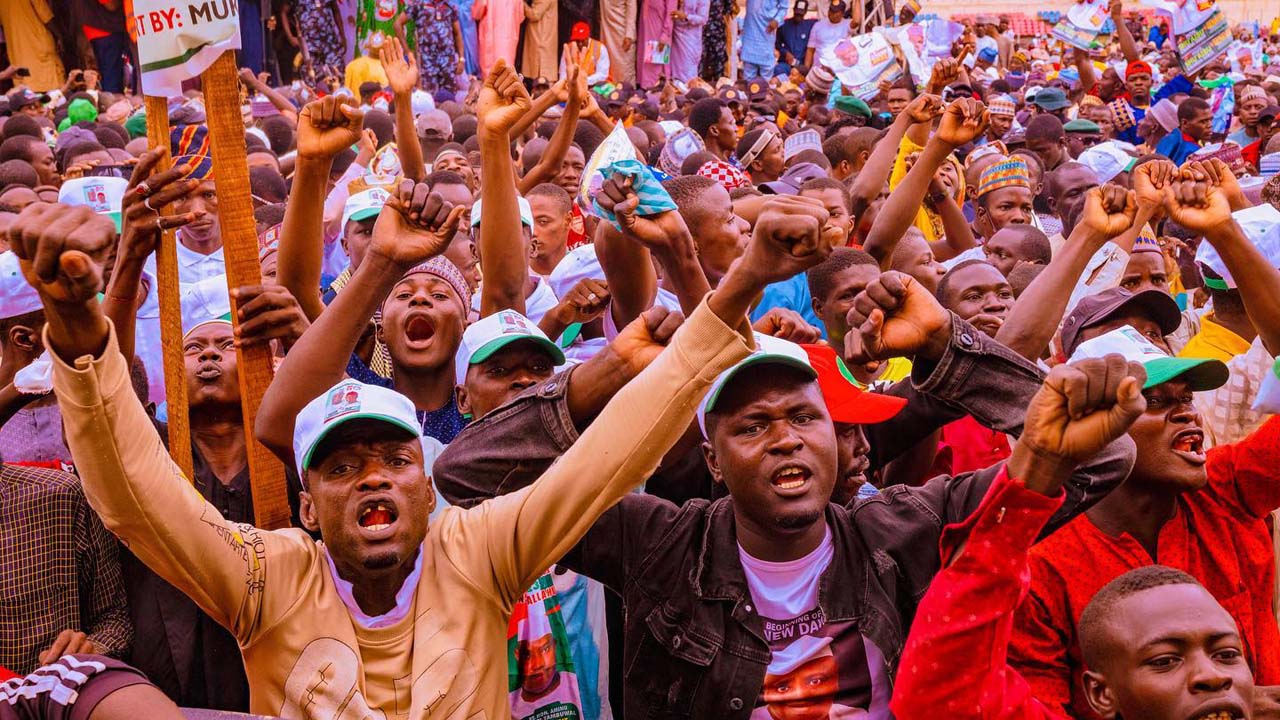
Youths; Photo credit: peoplesgadget.
Every year, International Youth Day is celebrated on August 12 to draw attention to youth-related issues and their potential worldwide. This year’s theme, ‘Local youth action for the SDGs and beyond’, emphasised the transformative role of young people in translating the Sustainable Development Goals (SDGs) into local realities.
It has become a cliché to say that youths are the backbone of every nation, as they are the largest and most active population. The United Nations defines a youth as an individual between the age bracket of 15 and 24 years, while the African Union gives a broader definition as an individual who falls between the age bracket of 15 and 35 years. Based on Nigeria’s National Youth Policy (2019-2023), a youth is an individual who falls between the age range of 15 and 29. Either way, the global youth population continues to rise, with the 2020 World Youth Report revealing 1.2 billion young people aged 15 to 24 years, accounting for 16 per cent of the global population. It is no surprise that Nigeria, with its high birth rate and rapid population growth, fits into the top eight countries with the youngest people and the highest in Africa, according to the UN.
Unfortunately, a large population of Nigeria’s youth are unemployed, lack access to quality education and basic skills. Many have found solace in drugs and criminality to the extent that the youths have become more of a liability than an asset. It sometimes appears as though Nigeria’s successive governments have been aloof to the needs and desires of its youth population. Even with a National Youth Policy (NYP), which has gone through periodic reviews to capture new and existing realities that affect youths, there has been little to show in terms of effective and coordinated execution of the policy.
The NYP’s vision is clear that it aims to develop Nigerian youths with equal opportunities so as to realise their dreams and aspirations, irrespective of their background, and living in a safe and secure environment that would optimise their contributions to National Development. This beautifully crafted vision is far from actualisation, either due to a gap in government-youth engagement or a disconnect between what is written on paper as policy with its execution.
No doubt, from technological start-ups to entrepreneurship, sports and entertainment, Nigerian youths make for a vibrant workforce and, when properly harnessed, can propel the economy. They have proven that with the right atmosphere, timely support and encouragement, they can become a powerful asset for the country. However, to harness the youth potential, there must be equal and accessible opportunities for all youths irrespective of social classes, orientations and communities.
Without a highly educated, enlightened and engaged youth population, the vision to drive social change could be lost. Therefore, access to basic education must be paramount and youths must be encouraged to become tech savvy while those who have no interest in furthering formal education must be equipped with technical and creative skills. Just as Nigeria’s young talents in the sports and entertainment industries have become global sensations and made the country proud, the country must create an enabling sports and creative industry that can scout for and inspire local talents. With the right mentorship from genuine leaders who are willing to relinquish power and pass on the torch, Nigeria’s future can be secured.
This year’s International Youth Day, calling for local youth action for the SDGs and beyond, is vital as it encourages youth participation in community development, especially since each of the 17SDGs are tied to social development. Without the youth, it becomes difficult to drive and sustain community projects because the youths can serve as protectors of society, they can manage and protect community facilities and provide fresh and innovative perspectives to decision-making. They must not just be viewed as beneficiaries of government projects, but active partners and drivers of the SDGs.
We, therefore, call for better coordination between the federal, state, private and non-governmental organisations on youth engagements and actions in Nigeria. Any strategy on the country’s youth agenda must be guided by the NYP, which at the moment needs to be reviewed by the Federal Ministry of Youth Development. It is equally important to sustain interventions by assessing how far the last NYP has gone in achieving its set goals and how the revised version will take the vision further.
States and local governments are advised to revive community and youth centres and make them more active, engaging and accessible to everyone. These centres can serve as technical, sports and entertainment hubs that can draw raw talent from the grassroots. Nigeria’s youths must no longer be viewed as bystanders in governance; they must be given the opportunities to get involved and be allowed to use their voices to demand urgent action in employment, education, health, gender equality, security and the rest of the SDGs.