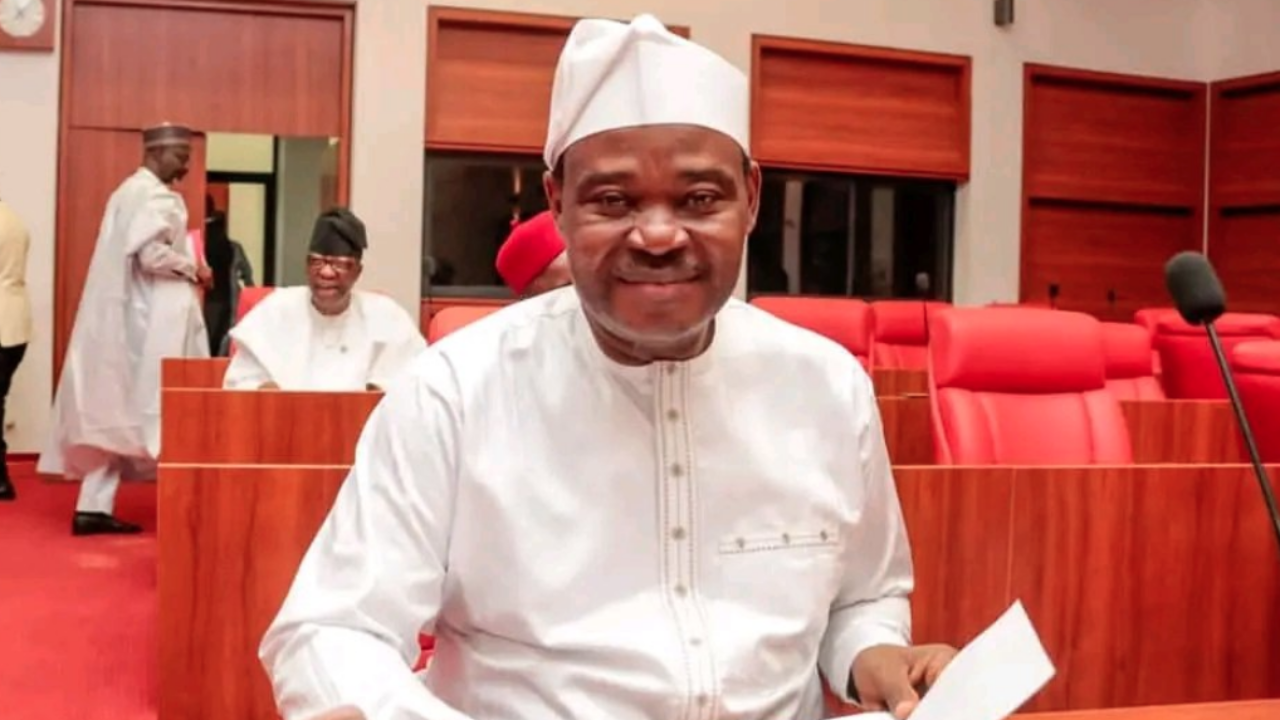
Ibrahim, who spoke at the Parliamentary Engagement on the sidelines of the ongoing International Monetary Fund (IMF)/World Bank meetings in Washington D.C, yesterday, stressed the need for the multilateral institutions to acknowledge that the Nigerian economy has turned the corner.
He attributed the turnaround to the several reforms introduced by the Tinubu-led administration. He advised the institutions to stop downplaying reforms in one of Africa’s biggest economies.
President Tinubu, through his Special Adviser on Media and Public Communication, Sunday Dare, faulted the World Bank report, saying that the poverty figures must be “properly contextualised” within the limits of global poverty measurement models.
According to the Presidency, the 139 million figure was derived from the global poverty line of $2.15 per person per day, set in 2017 using Purchasing Power Parity (PPP) and should not be mistaken for an actual headcount of poor Nigerians.But Ibrahim, who is representing the Nigerian Senate at the meetings, argued that the World Bank failed to take into consideration interventions by the Tinubu’s administration in poverty alleviation, especially with the N330 billion the government had disbursed to 8.5 million poor households.
He pointed out that some poor Nigerians received at least a tranche of N25,000 as conditional cash transfer through the National Social Safety Net Coordinating Office (NASSCO).
He pointed out that the social safety net programme, which even the World Bank approved $800 million for the Bola Tinubu administration, was designed for 15 million poor households at three instalments of N25, 000 each.
The Senator also pointed at Nigeria’s Renewed Hope Ward Development Programme, which he said aims to translate Nigeria’s macroeconomic reforms into real, grassroots benefits across all 8,809 wards nationwide.
The initiative, he added, also aims to stimulate economic activity, boost food security, generate jobs, and reduce poverty by directly supporting at least 1,000 economically active individuals per ward.