
Nigeria’s electricity banding: Powering inequality, poverty
As millions remain trapped in darkness, the government and electricity distribution companies (DISCOs) are busy perfecting a power supply model that rewards the privileged and punishes the poor. The new system of “banding” electricity supply, essentially segmenting power delivery based on ability to pay higher tariffs is a glaring indictment of leadership priorities in a […]
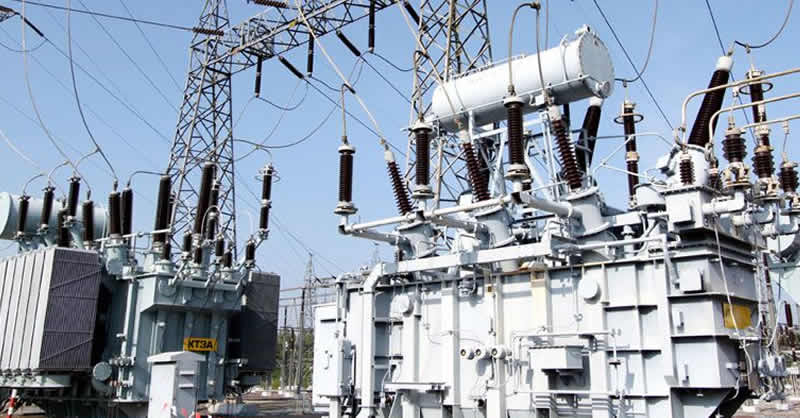
As millions remain trapped in darkness, the government and electricity distribution companies (DISCOs) are busy perfecting a power supply model that rewards the privileged and punishes the poor. The new system of “banding” electricity supply, essentially segmenting power delivery based on ability to pay higher tariffs is a glaring indictment of leadership priorities in a nation already crippled by energy poverty.
This is a country where 71 per cent of citizens, over 150 million people lack access to reliable electricity, according to the World Bank – Nigeria Power Sector Recovery Programme report (2021). So, the idea of rationing power according to wealth is not just insensitive, it is reckless. It flies in the face of the Sustainable Development Goals (SDGs), particularly Goal 7, which demands affordable, reliable, and sustainable energy for all. Instead of expanding access, we are deepening the divide between the haves and the have-nots. Between the glittering bank towers and government offices that now enjoy prioritised power, and the dark, crowded communities where children do homework under kerosene lamps, if at all.
This banding system does not exist in isolation. It threatens progress across multiple SDGs, from Goal 1 (No Poverty) to Goal 8 (Decent Work and Economic Growth) and Goal 10 (Reduced Inequalities). Small businesses, the lifeblood of Nigeria’s economy rely on affordable electricity to survive. A tomato seller without cold storage loses her stock and her income. A tailor without light closes shop early and loses customers. A school child without evening light loses the chance at a better future. Energy access is not a luxury, it is the foundation of opportunity.
What is unfolding today is more than a technical or regulatory problem. It is a slow-brewing national security crisis. No nation can sustain peace when the majority of its citizens are denied access to basic services. Electricity is not just about powering appliances—it powers dreams, ambitions, livelihoods. Strip people of it, and you strip them of hope. When hope disappears, frustration takes its place, and frustration often finds violent outlets.
Government must stop treating electricity as a commodity reserved for the highest bidder. It must reclaim electricity as a public good, a tool for social and economic inclusion. We need urgent reforms that regulate the distribution companies more strictly, expand grid and off-grid solutions for low-income and rural areas, and prioritize investment in affordable, renewable energy technologies.
It is not enough to say that DISCOs are private entities free to operate as they wish. Electricity has national security implications. A government that stands idle while energy poverty deepens is either naive or complicit in the ensuing crisis. Policies must centre on people, not profits. Equitable energy access must become non-negotiable if Nigeria hopes to lift millions out of poverty and create a truly resilient economy.
Today’s banding approach may light up the homes of the rich, but it darkens the future of the nation. If the government fails to step in now, it will soon discover that energy inequality is a time bomb. One that ticks louder every day we ignore the cries from the dark corners of our country.
Power belongs to all Nigerians, not just those who can afford it. True leadership would act with urgency to ensure that light reaches every home, every market, every classroom. Anything less is a betrayal of the people.
Zanna Samaila, is Energy Access Advocate and resides in Damaturu