
Nigeria’s fight against drugs – A call to action
The recent shocking news of a Turkey-bound businessman who excreted 120 wraps of cocaine at the Kano airport is a stark reminder of the pervasive threat of drug trafficking and abuse in Nigeria. This incident, alongside several other drug seizures by the National Drug Law Enforcement Agency (NDLEA), underscores the urgent need for a collective […]
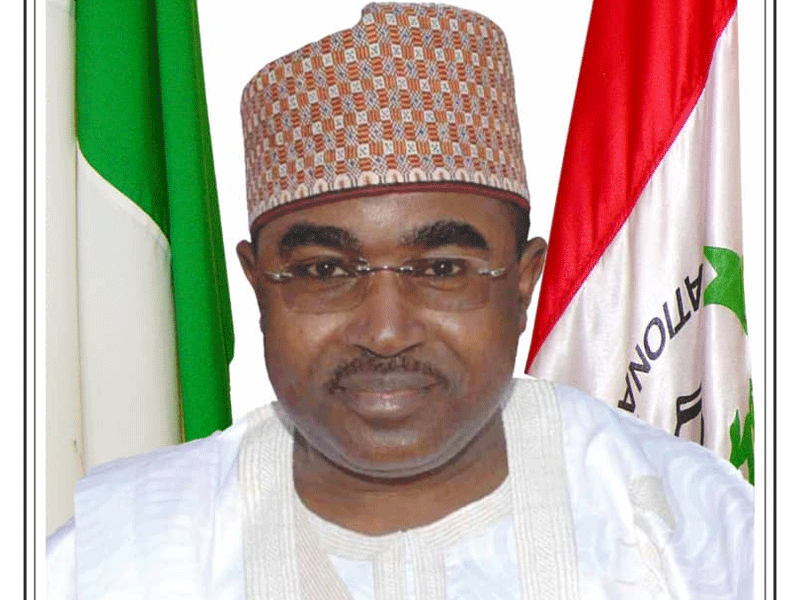
NDLEA boss, Buba Marwa
The recent shocking news of a Turkey-bound businessman who excreted 120 wraps of cocaine at the Kano airport is a stark reminder of the pervasive threat of drug trafficking and abuse in Nigeria. This incident, alongside several other drug seizures by the National Drug Law Enforcement Agency (NDLEA), underscores the urgent need for a collective and proactive approach to combat the escalating drug crisis in our society.
Drug abuse is a silent killer; it destroys lives, devastates families and erodes entire communities. It also fuels widespread crime, violence and corruption. The United Nations Office on Drugs and Crime (UNODC) estimates that 14.3% of Nigerians, aged 15 to 64, use psychoactive substances, with cannabis being the most commonly abused drug. This alarming statistic is a ticking time bomb that demands our immediate attention and concerted action.
But what exactly makes drug abuse so dangerous? First, it leads to addiction, which has devastating consequences for an individual’s mental and physical well-being. Addiction to drugs impairs judgment, compromises decision-making, and often results in reckless behaviour that can lead to accidents or even fatalities.
Beyond the personal consequences, drug abuse places immense financial strain on individuals and families, as addicts spend large sums to sustain their dependency. This financial ruin often forces individuals into criminal activities.
NDLEA has been at the forefront of efforts to curb drug trafficking and abuse in Nigeria. In the past four year, and under the leadership of Brigadier General Mohammed Buba Marwa (rtd) the agency has made commendable strides.
These efforts are commendable, but they also highlight the scale of the illicit drug problem we face as a country. The implication is that the fight against illicit drugs is not yet over, and there is still much more to be done.
As Nigerians, it is crucial that we take responsibility in the fight against drugs. The first step is education. We must educate ourselves, our families and our communities about the dangers of drug abuse. Raising awareness about the signs and symptoms of addiction can empower individuals to seek help before it is too late. It is equally important to recognise the role of social support networks in helping those who are struggling with addiction.
Moreover, we must support the NDLEA and other law enforcement agencies in their fight against drug trafficking and abuse. While they continue to carry out their operations, we must demand more from the government. This includes providing increased funding and resources to NDLEA, ensuring they are equipped with modern technology, and safeguarding them from the corrosive effects of corruption.
At the same time, we need a holistic approach that addresses the root causes of drug abuse. Poverty, unemployment, and lack of education are contributing factors that make individuals vulnerable to the lure of drugs.
The war on drugs cannot be won by NDLEA alone; it is a collective responsibility that requires the active participation of all Nigerians. We owe ourselves, children, and country the duty to stand together and work towards creating a safer, healthier, and more prosperous society.
The fight against illicit drugs must be a priority, and it is imperative that we do everything in our power to make a difference.
Olufemi Fadahunsi wrote from Ado-Ekiti