
Nigeria’s rail services can’t run on neglect
The derailment of the Abuja-Kaduna train on Tuesday, August 26, 2025 once again brought to focus the increasing safety concerns in the country’s rail transport, considered, worldwide as the safest means of transport. The train, which took off from Abuja to Kaduna derailed off its tracks in a town called Ashams along the line. Images […]
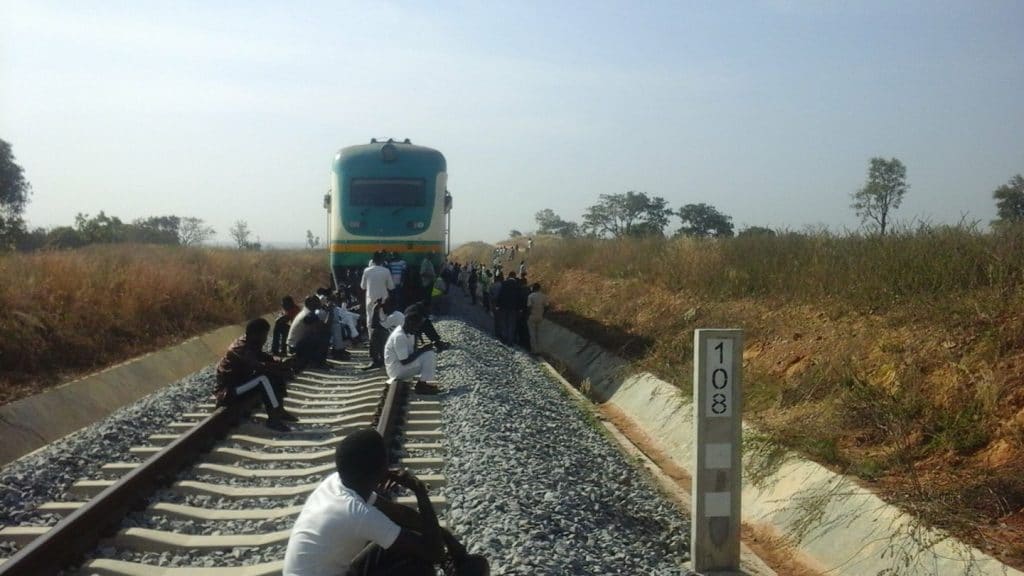
The derailment of the Abuja-Kaduna train on Tuesday, August 26, 2025 once again brought to focus the increasing safety concerns in the country’s rail transport, considered, worldwide as the safest means of transport.
The train, which took off from Abuja to Kaduna derailed off its tracks in a town called Ashams along the line. Images of the mishap showed a couple of coaches upturned and twisted tracks and switches on the scene which clearly indicated that the train veered off its tracks and crashed.
Tuesday’s incident was fifth time train services were involved in safety incidents along the corridor.
In May 2024, a passenger train with designation KA2/loco 2702, en route from Rigasa Station in Kaduna to Idu Station in Abuja, derailed at Jere Station. The train, which departed Rigasa at 8:00 a.m. with 685 passengers and crew on board, derailed at about 9:28 a.m. as it approached Jere.
In September 2023, a Kaduna-bound passenger train derailed at Kukere Station. Reports indicated that no lives were lost, but some coaches were affected.
In October 2023, a minor derailment occurred near Asham Railway Station (close to Jere). Passengers were stranded for hours before the line was cleared.
In March 2022, terrorists attacked the Abuja–Kaduna train, leaving nine people dead and dozens abducted. The attack caused a suspension of train services for several months.
Unfortunately, these incidents were not limited to the Abuja-Kaduna corridor as the Itakpe-Warri corridor has also been witnessing challenging issues since its inception. On several occasion, trains were attacked by hoodlums raising serious concerns about the safety of passengers and, at one time forcing the Nigeria Railway Corporation to suspend services on the corridor. Ironically, the two are the most modernised lines in the country.
In his response to the Abuja-Kaduna incident, the Managing Director of the NRC, Kayode Opeifa said he has taken full responsibility of the incident and would do everything to ensure a thorough investigation and prevent subsequent recurrence.
“I want to assure Nigerians that an incident like this is not expected, is not prayed for, should not be happening, but where it does, it is to bring out the best in us,” he said.
The Nigeria Safety Investigation Bureau (NSIB) has already commenced investigation into the incident and has promised to release its report within a month. Similarly, the Minister of Transport, Alhaji Sa’idu Alkali has ruled out act of sabotage as the possible cause of the incident attributing it to a possible “human error.”
While we at the Daily Trust commend the official reaction to the incident, we are worried that these issues keep recurring on corridors which are relatively modern. We also recall that after the March 2022 terrorist attack on the service, there was a promise by the federal government to reinforce safety measures along the corridor. This is, however, yet to be implemented which is the typical way Nigerian officials approach issues of national importance- giving assurance of action after tragedies only for them to move on with their lives until there is another one.
We, therefore, believe that it is time for the government to ensure the full implementation of all safety measures along all our rail service to ensure the safety of lives and property of Nigerians.
The government must ensure the implementation of recommendations of the NSIB report, whenever it is out. In addition, it must deploy technology to ensure safe and seamless services along all our rail corridors.
It must also ensure that the best equipment and best practices are deployed on the new rail lines that are being constructed in many parts of the country.
Rail services are critical to any modern nation, more so, for a country like Nigeria which faces enormous challenges in transportation of goods, services as well as passenger travel.
The rail modernisation efforts of government have seen a steady growth in patronage due to its comfort and convenience. It is one area in which if well managed will result in enormous unquantifiable benefits to the country into the future. For this reason, incidents like the Abuja-Kaduna train derailment and the Warri-Itakpe interference and vandalism must not be allowed to happen again. The NRC must take this as an institutional challenge to satisfy the yearnings of Nigerians in sustaining and safeguarding rail operations in the country going forward.