
No forex for fertilizer imports
The Central Bank of Nigeria [CBN] recently placed fertiliser on the list of imported goods that are not eligible for foreign exchange. CBN’s circular dated December 7, 2018 was signed by the Director, Trade & Exchange Department, Ahmed Umar. The move created controversy between fertilizer producers in Nigeria and their primary customers, the farmers. While […]
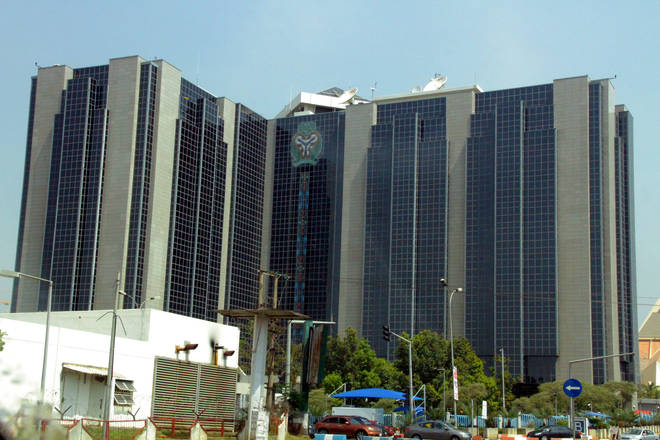
The Central Bank of Nigeria [CBN] recently placed fertiliser on the list of imported goods that are not eligible for foreign exchange. CBN’s circular dated December 7, 2018 was signed by the Director, Trade & Exchange Department, Ahmed Umar. The move created controversy between fertilizer producers in Nigeria and their primary customers, the farmers.
While fertilizer producers see the policy as the best move for the agricultural sector because it would increase its local production, some farmer groups see it as a ban on import of farm inputs. They say it would be detrimental to food production in the country because there is not enough local fertilizer production to warrant the policy. The Fertilizer Producers and Suppliers Association of Nigeria (FEPSAN) however commended the policy, saying Nigeria is already self-sufficient in NPK fertilizer.
FEPSAN’s liaison manager Gideon Negedu said, “We recognize that the blending industry is still a very young industry that cannot compete with imported fertilizer, so we have to push that let us have a ban that will help the industry to grow. That way we will attract local investment.” He also said, “Today we have what we call the Presidential Fertilizer Initiative where we revived dead blending plants through private sector money because government created the environment and we keyed into it, which led to the revival of almost 18 blending plants producing a lot of the NPK that we are using today.”
However, Prof. Simon Irtwange, President, Yam Farmers, Processors and Marketers Association of Nigeria said high cost and non-availability still remain a concern for farmers. He said, “We would have expected that the government allows fertilizer to be saturated in the market and become more affordable before making such policy because the fact is that fertiliser supply chain is still facing many challenges.”
The first question to answer is whether local production is sufficient for our farmers. Some reports suggest that local fertilizer production has increased in the last couple of years due to the policies of this administration. For instance, on account of the Presidential Initiative, fertilizer export from Nigeria increased 100%, while local consumption increased by 63%. This is according to a recent report by international agencies led by the International Fertilizer Development Centre [IFDC] and Food and Agricultural Organization, FAO.
The report projected that farmers required more fertilizer this year. In 2017, fertilizer uptake among Nigerian farmers rose to 1,564,816 metric tonnes compared to 959,364 tonnes in 2016.
The report also showed that export of Urea out of Nigeria increased from 329,630mt in 2016 to 659, 603mt in 2017; fifty percent of the export going to Brazil.
The summary of the report is that if the success of the initiative is going to be measured in tonnage, government measures have been quite successful in energizing local production. It also shows that the Federal Government’s initiatives in the agriculture sector are somewhat bearing fruits, and the economy is being diversified from oil. Yet, when you look closely at the arguments, the farmers are not complaining about availability of locally produced fertilizer but its affordability. They argue that fertilizer is sold above the government’s subsidized price of N5,000 per bag.
The farmers hope that imports will bring down the price. Therefore the ultimate question is how the government can ensure both availability and affordability while still helping our local producers.
The answer, however, goes beyond subsidies. Because subsidies wouldn’t ensure that the fertilizer is affordable to our farmers. A case in point is the current situation where we already have fertilizer subsidy yet farmers are complaining that they can’t afford it.
Fortunately, tricky questions like this are what governments are designed to answer. Therefore, while we commend the Federal Government for making the right moves to increase production, we encourage it to make the necessary trade-ins that will solve for both availability and affordability.
Also, if there are grades of fertilizer which need to be imported, those should be exempted from the restrictions in question.