
No to six more states
The National Assembly Joint Committee on Constitution Review in October 2025 approved the creation of six additional states, one in each of the six geopolitical zones. If the process scales through the constitutional hurdles, the number of states in Nigeria will increase from 36 to 42, with the North West having eight, the North East, […]
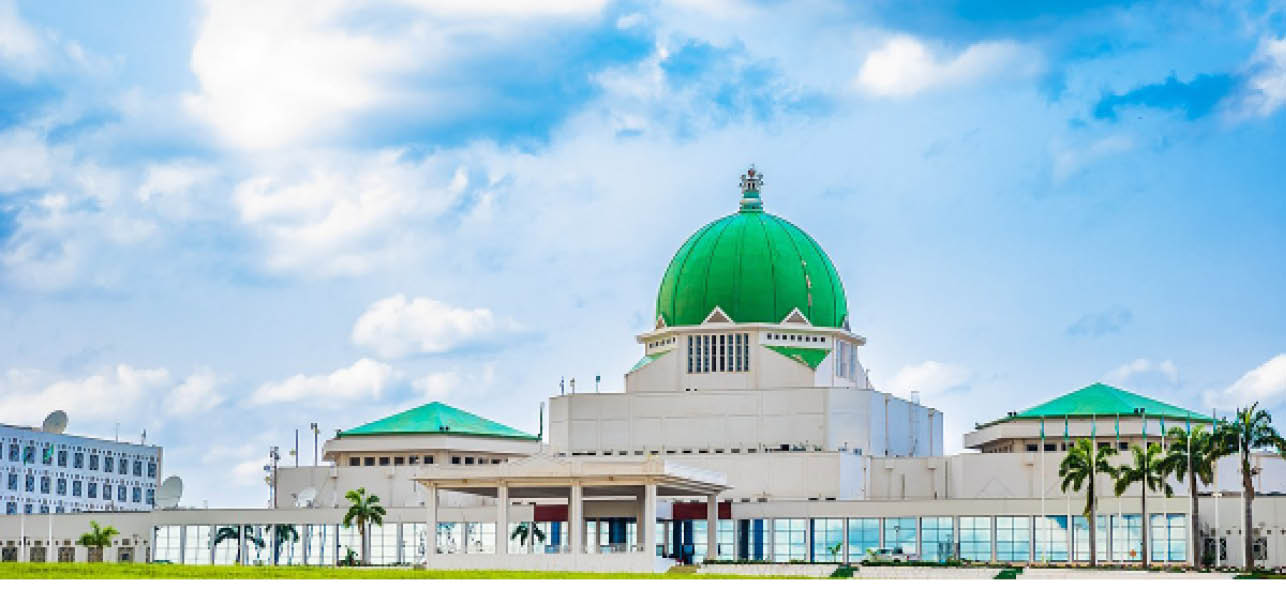
National Assembly
The National Assembly Joint Committee on Constitution Review in October 2025 approved the creation of six additional states, one in each of the six geopolitical zones. If the process scales through the constitutional hurdles, the number of states in Nigeria will increase from 36 to 42, with the North West having eight, the North East, North Central, South West, and South South having seven each, and the South East having six. The creation of six additional states put the 10th National Assembly in a remarkable position in the country’s political history. It would have accomplished a task that every National Assembly since Nigeria’s independence has never achieved.
The agitation for new states is a recurring outcry in the country’s polity for several reasons. Many ethnic and regional groups feel underrepresented or dominated within larger states. Creating new states for them would liberate such ethnic communities from the domination and allow them to govern themselves and, perhaps, preserve their cultural identity.
Apart from ethnic groups, some regions, especially the South East and North Central, have campaigned for decades, citing historical injustices or colonial-era boundaries that excluded them from statehood. For the regions, additional states would bring out equity and equality, validating their place in Nigeria’s federal structure. Nigeria has six geopolitical zones, but they are unevenly represented. For example, the South East has only five states, while the North West has seven. This imbalance fuels demands for new states to ensure fair representation. But even if additional states are created in line with the recent recommendation, it is certain that some regions will continue to complain.
Besides, more states mean more senators, representatives, and federal allocations. Communities often push for statehood to gain direct access to the benefits that come with it.
It is commonly believed that new states would bring development closer to the people in rural areas. But underdevelopment in Nigeria is caused by the waste of resources, greed, and corruption among the political elite.
During every round of state creation under the military, the proponents claimed that the prospective states have the potential to be self-reliant. But how many states can truly stand on their feet without federal allocation?
A recent report by BudgIT, a civic tech non-profit organisation, says 28 states in Nigeria relied on the Federation Account Allocation Committee (FAAC) for at least 55 per cent of their total revenue in 2024. This shows that many states are still not economically viable to meet the demands of their citizens.
At present, there are several small states with smaller populations but still underdeveloped. And, therefore, instead of creating additional liabilities, we call on the National Assembly to entrench power rotation in the constitution to give the marginalised groups a sense of belonging.
It is also apparent from experience that new states have never guaranteed equity, equality and fair distribution of resources. In regions that have a common language and historical background, there is no lack of outcry over marginalisation. The creation of six new states, therefore, is not a panacea but a gateway to more bureaucracy and waste of resources that would have been channelled into social and economic development.
Evidence abounds that many of those states created three decades ago have seen little development over the period because most of the generated resources accruing to the states is used on frivolous engagements while the majority are left to wallow in poverty.
Similarly, many citizens across the existing states lack access to good health, education, water and other basic privileges of existence.
We note that it will be difficult to meet the demands for the creation of states even if it is to be done every year as evidence has shown that the agitation for state is growing by folds every time.
The agitation for the creation states evidently shows how difficult it is for Nigerians to live with one another as most of the demands are motivated by ethnic or other differences.
We believe that the way out is for political leaders to ensure equity, equality, and justice, to all citizens. If leaders can strive to ensure even spread of development and opportunities to their people, irrespective of tribe, religion and political considerations, there is the likelihood that people’s quest for the creation of states will be greatly doused.
It is time we curtail this insatiable desire to live alone. Nigerians must strive to co-exist with one another for the development of the country.