
Obi pledges 10,000MW power supply within 4 years but fails to reveal strategy
Presidential candidate of the Nigeria Democratic Congress (NDC), Peter Obi, has pledged to ensure that Nigeria generates, transmits and distributes at least 10,000 megawatts of electricity within four years if elected president. Obi made the pledge during an interview on BlackBox hosted by journalist and media personality Rufai Oseni, where he spoke on Nigeria’s electricity […]
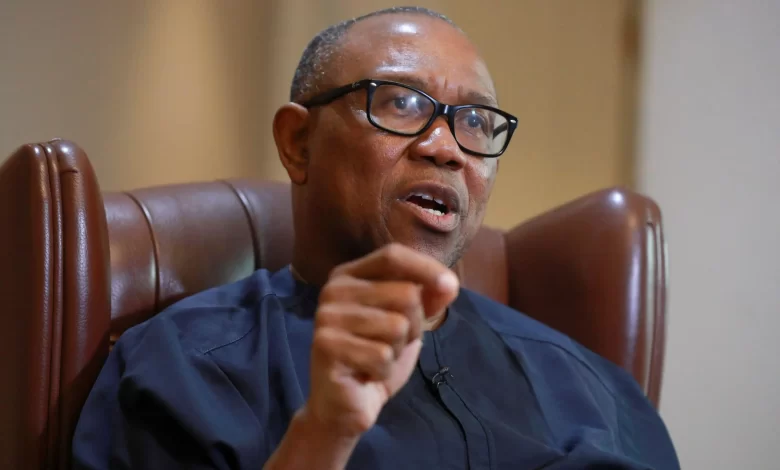
peter obi
Presidential candidate of the Nigeria Democratic Congress (NDC), Peter Obi, has pledged to ensure that Nigeria generates, transmits and distributes at least 10,000 megawatts of electricity within four years if elected president.
Obi made the pledge during an interview on BlackBox hosted by journalist and media personality Rufai Oseni, where he spoke on Nigeria’s electricity challenges and his plans for the power sector.
The former Anambra State governor described the target as achievable and necessary to drive economic growth, improve productivity and enhance the living conditions of Nigerians.
“In four years, we will generate, transmit, and distribute at least 10,000 megawatts of electricity,” Obi said.
When asked by the interviewer to explain how he intended to achieve the target, Obi declined to provide details of his proposed strategy.
He argued that political leaders are often judged by their credibility and record of performance rather than by publicly disclosing every aspect of their plans before assuming office.
Drawing a comparison with a campaign promise made by President Bola Tinubu, Obi said: “Somebody told you if he doesn’t give Nigeria electricity, don’t vote for me. Did he tell you how he’s going to give you power? So why must my own be in the marketplace?”
The former Labour Party presidential candidate maintained that voters should assess the character and competence of candidates making such commitments.
“I’m not going to tell you how I’m going to do it; it is not for you to know how. It’s for you to look at a man who is saying this,” he added.
Nigeria has continued to grapple with electricity shortages despite decades of reforms and investments in the power sector.
Inadequate generation, transmission constraints and distribution challenges have contributed to persistent outages across the country, affecting households, businesses and industrial activities.
Energy experts have repeatedly identified improved power supply as a critical requirement for economic growth, job creation and industrial development.