
On Inside Sources, Akande questions INEC chair, criticises political leadership selection process
Former presidential aide, Laolu Akande, has raised concerns over the credibility of Nigeria’s electoral leadership and broader political selection system, warning that systemic distortions continue to undermine the emergence of credible leaders. Speaking on Inside Sources with Laolu Akande on Channels Television, Akande questioned the integrity of the Chairman of the Independent National Electoral Commission […]
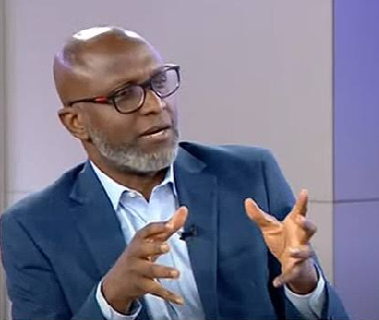
Former presidential aide, Laolu Akande, has raised concerns over the credibility of Nigeria’s electoral leadership and broader political selection system, warning that systemic distortions continue to undermine the emergence of credible leaders.
Speaking on Inside Sources with Laolu Akande on Channels Television, Akande questioned the integrity of the Chairman of the Independent National Electoral Commission (INEC), Prof. Joash Amupitan, over a controversial social media account allegedly linked to him.
“Is INEC and its new Chairman lying about that controversial X account?” Akande asked, referencing reports of a post tied to the chairman that was later denied by his office despite digital traces bearing his identity.
He further criticised remarks attributed to Senate President Godswill Akpabio, who reportedly suggested that insecurity in Nigeria could subside after the 2027 elections. Akande described such a statement as troubling, questioning its responsibility given the country’s current security challenges.
Beyond specific individuals, Akande took aim at what he described as a deeply compromised political leadership selection process in Nigeria. According to him, while the country has individuals of “character, competence, and courage,” systemic barriers often prevent them from rising to positions of influence.
“Our political leadership selection by and large has become so worked that only a few of them are trusted forward. And even when they do, many of them are squeezed out or shoved aside,” he said.
Drawing from personal experience, Akande recounted his early days in government, when he was told that access to power in Nigeria often depends more on connections than merit. He cited a Yoruba expression loosely translated as: “If you don’t know people, you will be sidelined,” describing it as a stark reflection of how political systems operate at the highest levels.
He argued that the pathways to political power are riddled with “compromising turns,” making it difficult for individuals with strong ethical and professional credentials to emerge without being filtered out.
Akande also pointed to what he described as inconsistencies in the political careers of some public officials. He cited the case of Akpabio, questioning how he was able to navigate multiple electoral processes within the same cycle, and attributed such outcomes to a system driven by patronage and “tokens and gifts.”
Similarly, he referenced the appointment of former Zamfara State governor, Bello Matawalle, to a federal security role despite past allegations linking him to security concerns. Akande noted that such decisions raise questions about the criteria for public office appointments.
Returning to the INEC controversy, Akande expressed concern that the denial of a digital footprint by the commission’s chairman could erode public trust. He argued that even if the content of the post itself was debatable, outright denial in the face of contrary evidence raises serious questions about transparency and character.
“If all Amupitan did was to respond ‘victory is sure’ to a partisan post, there would be room for argument. But to deny what appears obvious raises serious questions,” he said.