
On thuggery, phone snatching pandemic in Kano State
The heart of Kano beats slower these days, weighed down by fear, grief, and the unsettling reality that violence has become part of our daily lives. This is not the Kano of my childhood, nor the Kano our elders speak of with pride. Once vibrant streets that carried the laughter of traders, students, and children […]
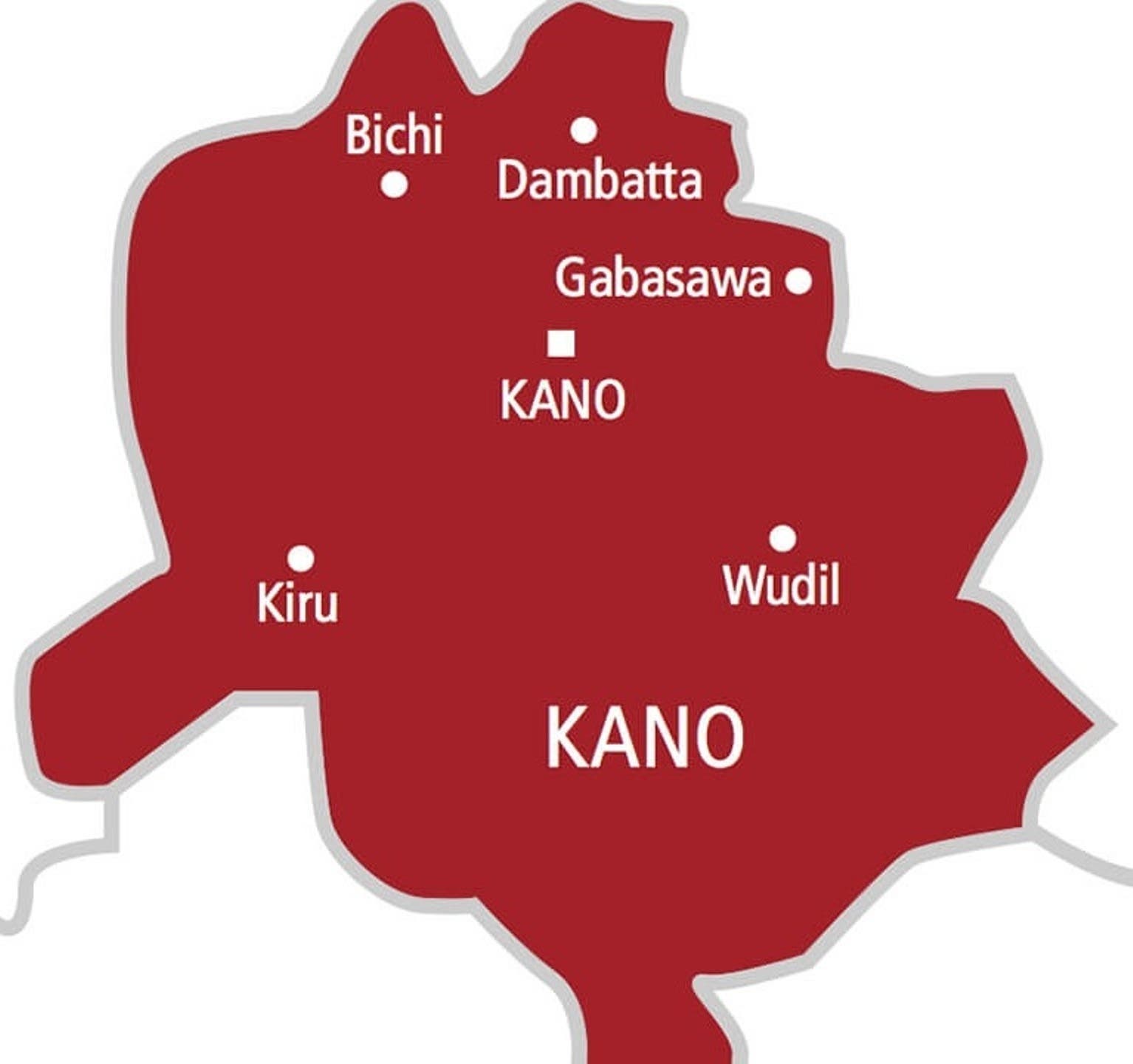
The heart of Kano beats slower these days, weighed down by fear, grief, and the unsettling reality that violence has become part of our daily lives. This is not the Kano of my childhood, nor the Kano our elders speak of with pride. Once vibrant streets that carried the laughter of traders, students, and children are now haunted by shadows, shadows of gangs, many fueled by drug addiction, who prey on innocent residents without hesitation or fear of consequence.
The recent killings of Sadiq Gentle, a popular social media influencer, and a promising Bayero University Kano (BUK) student in separate attacks are not isolated tragedies. They are symptoms of a worsening security and social crisis, a crisis that is not creeping upon us quietly, but screaming for urgent intervention.
The killing of Sadiq Gentle was not just the loss of a social media personality; it was the silencing of a young voice that inspired thousands. His death should have been a turning point, a moment when the government, the security agencies, and the entire community said: “Enough.” But it wasn’t.
The same week, another tragedy struck, a promising student of BUK lost his life to another violent phone-snatching attack. These are not random crimes of opportunity. They are assassinations of our future. Every time we bury a young person lost to thuggery, we are not only burying an individual; we are burying dreams, potential, and the future of Kano.
And yet, these tragedies follow a script we know too well: the news breaks, the outrage spreads on social media, a few statements are issued, and then — silence. Until the next killing.
Make no mistake: thuggery and phone snatching in Kano are not simply about poverty or greed. They are deeply tied to a more dangerous disease — drug abuse.
From the dark corners of Gwale to the backstreets of Kofar Mata, substances like tramadol, codeine, cannabis, and other hard drugs are destroying lives daily. They strip young men of empathy, cloud their judgment, and fuel aggression. A hungry man might steal to eat, but a drug-dependent man will take a life for a phone, for a few hundred naira, or even for the twisted thrill of violence.
Drug abuse in Kano is not just a youth problem; it is a community problem. It feeds criminality, erodes family bonds, and undermines education. The fight against street crime cannot be won without a decisive war against drugs. Anything less is chasing shadows.
We cannot keep losing our youth to the streets. We cannot let mothers live in constant fear when their children step out to school, work, or even to the mosque. We cannot normalise phone snatching as an inevitable part of life in Kano.
Every day we delay, more lives are at risk. More families will grieve. More dreams will be buried. And the longer we accept this reality, the harder it will be to reclaim our streets.
This is not a call to arms in the literal sense. It is a call to unity, outrage, and relentless pressure on those in power:
The Kano State Government should declare a State of Emergency on street crime and drug abuse, fund and sustain rehabilitation programs for drug-dependent youth and support community policing initiatives that bring security closer to the people.
Traditional and religious leaders could use every sermon, every community gathering, and every platform to preach against drug abuse and violence, denounce the culture of shielding criminals because they are relatives and mobilise local committees to identify and help at-risk youth before they turn to crime.
Our communities should organise neighborhood watch groups to monitor suspicious activity, report criminals and reject the culture of silence, engage in mentorship and vocational training programs for idle youth.
Also the civil society and the media must keep the pressure on government and security agencies, document every case, every name, every face of those lost to street crime, refuse to let outrage fade after each tragedy.
We owe it to the memories of Sadiq Gentle, the BUK student, and the countless unnamed victims whose deaths barely made the news. We owe it to ourselves. We owe it to the next generation.
Kano is worth saving. Our youth are worth saving. And I will say it again, as loudly as I can, to every ear that will hear me: Enough is enough.
Zainab Ahmed, a youth advocate, resides in Kano