
Only 40% of LGAs have medical officers of health – APHPN
The Association of Public Health Physicians of Nigeria (APHPN) says only 40% of local government areas in Nigeria have medical officers of health. The president of the association, Dr Terfa Simon Kene, made the disclosure while fielding questions from newsmen during his assumption of office in Abuja on Wednesday. He said medical officers have very […]
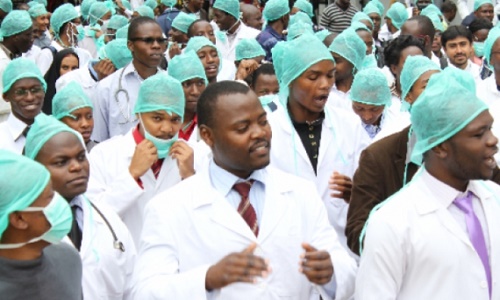
The Association of Public Health Physicians of Nigeria (APHPN) says only 40% of local government areas in Nigeria have medical officers of health.
The president of the association, Dr Terfa Simon Kene, made the disclosure while fielding questions from newsmen during his assumption of office in Abuja on Wednesday.
He said medical officers have very crucial roles to play in quality primary healthcare delivery as they have huge impacts at local government areas.
He said public health physicians were the only set of medical doctors in Nigeria that have a constituency which is the primary healthcare facilities across Nigeria.
- Pirates abduct four women on Bayelsa waterways
- $79.5bn loss: FIRS prays court to dismiss Binance’s application to vacate order
He said, ” Sadly, we have noticed over the years the decline in investment by individuals, communities and the government in this level of the health care. We have advocated, lamented, and criticized but little has changed. Government has made efforts but considering the large population there still so much to do.”
He said it is in lieu of this that the association decided to adopt at least 222 primary health care (PHCs) facilities in the country; six per state, and also invest time and resources to improve their functionality.
While saying that association will do crowd funding , he said it will also seek grants and the support of philanthropic individuals and organisations to support its work and public health activities,. especially in the wake of international healthcare policy summersaults.
Dr Kene said human resource for health is mal-distributed physically in the country , and that many are leaving the country for demographic dynamics reasons.
He said , “We plan to set up the APHPN Virtual School with operational centers (studio) in Delta State in the South and the FCT in the north.These virtual learning schools will help us ensure that our knowledge reaches out to the general population and remain the sources of verifiable public health information and data. We will engage our colleagues in the diaspora to reverse brain drain in form of knowledge sharing and skills transfer.”
He said the new executive of the association under his leadership will innovate the process of doing things and intentionally focus on service to the communities they are affiliated to.