
Open defecation: A menace
Ibadan, undeniably a cosmopolitan city with a rich historical and cultural legacy, should not be struggling with basic issues of public hygiene and sanitation. It is saddening that despite the city’s stature, the Oyo State government has not paid adequate attention to the growing problem of open defecation. Nigeria has now been ranked second globally […]
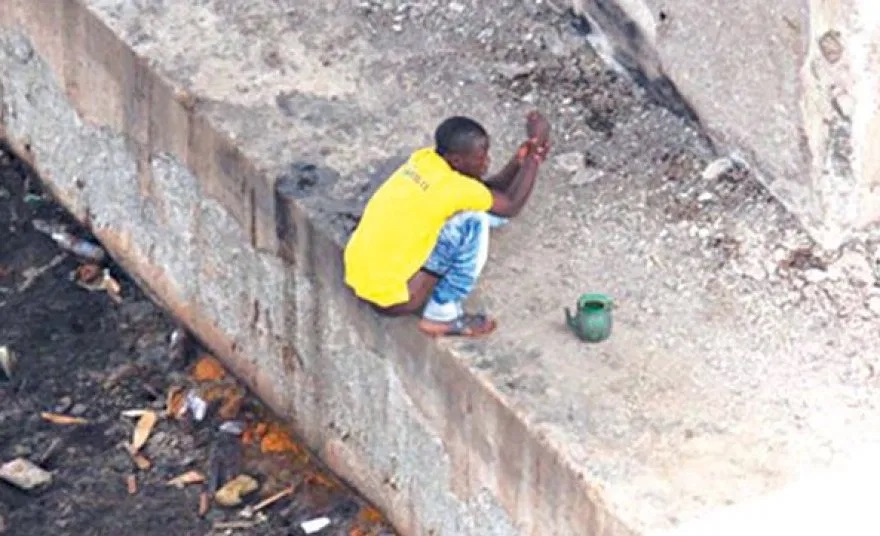
FILE PHOTO
Ibadan, undeniably a cosmopolitan city with a rich historical and cultural legacy, should not be struggling with basic issues of public hygiene and sanitation. It is saddening that despite the city’s stature, the Oyo State government has not paid adequate attention to the growing problem of open defecation.
Nigeria has now been ranked second globally among nations with the highest number of people who still practice open defecation. According to recent statistics, over 48 million Nigerians are guilty of this habit.
The causes are not far-fetched. At the root of it all lies poor urban planning and a lack of foresight. It is difficult to understand how such an important and frequently used highway like the Lagos-Ibadan expressway can span such a distance without the presence of public toilets at critical points. How can we expect a clean environment when people have no alternative but to defecate in public?
This is not only limited to the expressway. The sanitary situation in Ibadan, and indeed in many other Nigerian cities, is worsening by the day. Public spaces have been turned into informal toilets, unfortunately, this conduct is now seen as normal.
It is clear that many Nigerians now engage in open defecation without remorse or fear of consequence. Shame, it seems, has been thrown to the wind. And why wouldn’t it be? The government has failed to enforce rules or provide alternative facilities. But this goes beyond mere inconvenience; it is a public health crisis. It degrades the environment, affects water quality, spreads diseases, and ultimately diminishes the dignity of our cities.
Pedestrians are forced to tiptoe around filth. People cover their noses just to cross the road. Visitors are met with a stench instead of scenery. This is not how a modern city should operate. We must confront the reality: open defecation is a national disgrace, and it must be eliminated through a mix of public awareness, infrastructure and strict enforcement.
Public enlightenment campaigns on radio and television should be launched immediately to educate citizens about the dangers of open defecation. The government at both state and local levels must construct functional, well-maintained public toilets in strategic locations across Ibadan and other cities in the state. These facilities must be free or affordable and accessible, particularly in markets, motor parks, busy intersections, and high-traffic pedestrian areas.
Sanitation officers must be empowered and deployed to monitor compliance, enforce penalties, and drive home the message that open defecation will no longer be tolerated.
Combating open defecation is not just about building toilets, it is about restoring dignity, ensuring health, and preserving the beauty and integrity of our urban spaces. The time to act is now.
Kazeem Olalekan Israel resides in Ibadan