
Open letter to Governor Namadi
I extend my warmest congratulations on your two-year milestone as the Executive Governor of Jigawa State. It is no small feat to steer the affairs of a diverse and dynamic state, and under your leadership, we have indeed witnessed tangible progress. In these two years, your administration has recorded remarkable achievements across critical sectors—agriculture, education, […]
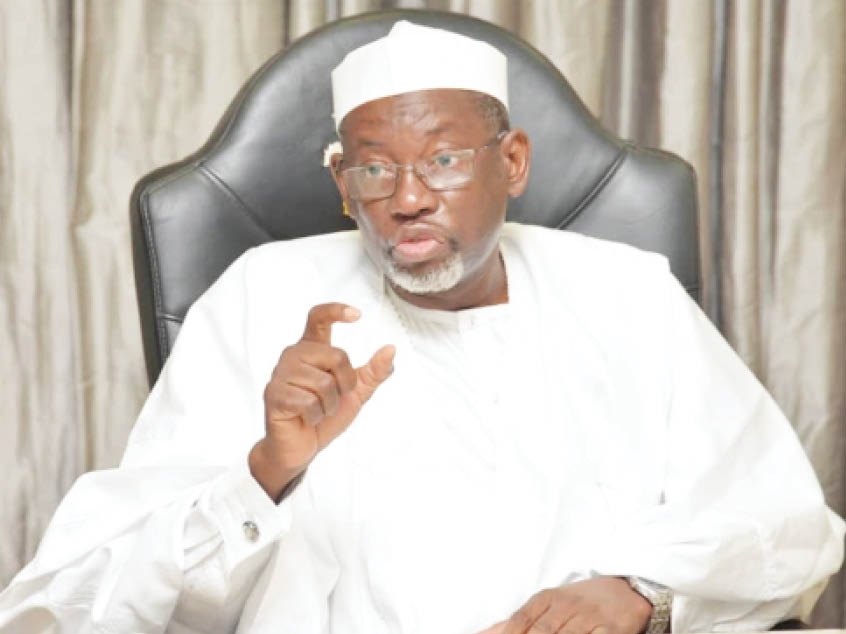
Umar Namadi
I extend my warmest congratulations on your two-year milestone as the Executive Governor of Jigawa State. It is no small feat to steer the affairs of a diverse and dynamic state, and under your leadership, we have indeed witnessed tangible progress.
In these two years, your administration has recorded remarkable achievements across critical sectors—agriculture, education, infrastructure, security, and healthcare.
Yet, as a concerned citizen and journalist, I feel compelled to highlight areas still yearning for attention—not to diminish your efforts, but to reinforce the voices of everyday Jigawans who earnestly seek your listening ear and urgent intervention.
Our healthcare system, for instance, still bears the scars of neglect—particularly in rural communities. Several hospitals lack basic medical facilities, suffer chronic shortages of essential drugs, and are grossly understaffed.
- PDP disagrees with Wike, Anyanwu over NEC
- Is Bago transforming primary healthcare or is it just a hype?
During my recent fieldwork, enrollees under the Jigawa State Contributory Healthcare Management Agency (JCHMA) lamented being forced to purchase prescribed medications from private pharmacies due to stock outs in government hospitals.
Even more concerning is the plight of newly recruited nurses and midwives, many of whom are yet to be captured under the new salary structure. Their morale is low, and this understandably affects the quality of service delivery.
In the agricultural sector—where Jigawa’s reputation shines—there is still a widening gap between government efforts and grassroots impact.
According to the National Bureau of Statistics, Jigawa accounts for 75% of Nigeria’s agricultural exports, and nearly 90% of our people depend on farming for their livelihood. Yet, many smallholder farmers—particularly those in remote villages—say they have not received the much-publicised palliatives and inputs support.
Some have had to rely on exploitative loans from private lenders, only to repay in harvests.
I humbly suggest the establishment of community-based monitoring committees, drawn from trusted local stakeholders, to ensure transparent and equitable distribution of agricultural support.
On education, your recruitment of over 3,000 teachers and 147 first-class graduates is indeed laudable. This has brought renewed energy to our classrooms. However, many more qualified youths remain unemployed.
The discovery of 6,348 ghost workers, and the resultant savings of over ₦314 million monthly, offers a golden opportunity to absorb some of these deserving graduates. The teacher shortage still looms large. The Nigeria Union of Teachers recently reported a deficit of 32,000 teachers in Jigawa.
But the landscape of youth enterprise is vast and diverse. Young people engaged in trades such as phone repairs, tailoring, and tricycle operations have expressed feelings of exclusion.
To build an inclusive economy, your empowerment programmes must evolve to accommodate a wider range of trades and offer both skills training and access to starter kits or seed capital.
Your Excellency, when hope meets genuine leadership, progress becomes inevitable. And the people of Jigawa have shown faith—now they ask for more inclusion, more visibility, and more compassion in policy execution. Their plea is not one of criticism, but of partnership.
With all due respect,
Muhammad Abubakar Tahir can be reached via [email protected]