
Oyedele, on Inside Sources, Says Food Businesses Now Enjoy Zero VAT
Chairman of the Presidential Fiscal Policy and Tax Reforms Committee, Taiwo Oyedele, says the newly proposed tax reforms by the Federal Government will significantly reduce the burden on ordinary Nigerians by zero-rating Value Added Tax (VAT) on essential food items, allowing producers and sellers to recover VAT previously absorbed as costs. Speaking on Inside Sources […]
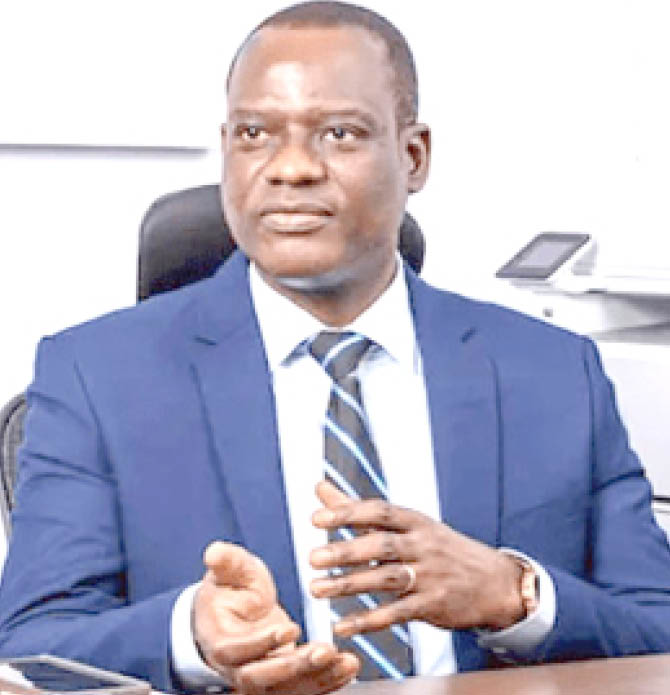
chairman of the presidential tax reform committee, taiwo oyedele
Chairman of the Presidential Fiscal Policy and Tax Reforms Committee, Taiwo Oyedele, says the newly proposed tax reforms by the Federal Government will significantly reduce the burden on ordinary Nigerians by zero-rating Value Added Tax (VAT) on essential food items, allowing producers and sellers to recover VAT previously absorbed as costs.
Speaking on Inside Sources with Laolu Akande on Channels Television on Sunday, Oyedele explained that under the existing VAT structure, many food sellers – such as bakers – were unable to recover the VAT they incurred on inputs, even though the final products were exempt from VAT. This system, he said, resulted in hidden VAT costs being passed on to consumers.
“So all of that VAT that I incur, I have to bear it as a baker. But guess what I would do? I would do my calculations of what’s the cost of a bread, and those hidden VAT costs will be part of what I sell to you,” Oyedele explained. “You will not see VAT when I sell you bread. But there’s hidden VAT that I cannot recover.”
He continued, “What we have now done is we’ve changed that. We’ve turned bread, for example, to zero-rated VAT. What that means is when I sell to you, I should charge you VAT at zero — which is no VAT. But if I have incurred any VAT in producing the bread, I’ll get it back from the government.”
According to Oyedele, the zero-rating of food means that from January 26th, Nigerians should begin to feel the immediate impact on the prices of basic food items. “So the other thing that Nigerians will feel immediately from January 26th is when you go to buy food, the prices should drop. Why? Because we’ve removed VAT completely on food.”
He clarified a widespread misconception about the VAT-exempt status of food under previous laws, saying that while food items like bread were technically exempt from VAT, the policy did not allow producers to recover VAT paid on inputs. “Unfortunately, it’s a technical issue that people don’t very much understand. And today, that is before our new laws, food is exempt from VAT… But that story is not complete.”
“As a baker making the bread, did I not buy things that have VAT? I have a vehicle to deliver the bread. It has VAT. I will make phone calls. I buy airtime with VAT. I buy sugar. Sugar carries VAT. Even the bakery itself,” he added.
Relief for Low-Income Earners and Households
Oyedele also unveiled other aspects of the reform aimed at bringing relief to Nigeria’s most vulnerable populations, including complete tax elimination for low-income earners and reductions for households earning less than ₦2 million per month.
“Now the micro is where, you know, the ordinary person on the streets, you know, the household, the low-income earner, the small business owner — that is where they will see the real impact,” he said. “So by the end of January, the low-income earner would collect their salary and the net pay would have increased, whether the employer increases salary or not.”
He noted that tax elimination applies to individuals earning around ₦110,000 or less, and significant tax reliefs will be extended to those earning below ₦2 million monthly. “You would not pay any tax amount,” he said of those in the lowest bracket. “And then if you earn about two million or less in a month, you see a reduction in your tax. You still pay, but it would be less.”
However, high-income earners would begin to contribute more in line with progressive tax principles. “If you now earn more than two million, you see incremental amount. It might be ₦500 per month, ₦300 to increase. If you earn a lot, like one billion a month, you pay 25%,” Oyedele revealed.
‘The Poor Have Carried the Country for Too Long’
Describing the reform as a moral and economic correction, Oyedele admitted that this part of the reform was deeply personal for him.
“This is the aspect of it that is actually very painful for me — that the poorest people have been carrying the country. It’s almost like we should just declare a holiday for them and let the rich people also now play their own part.”
He said the overall goal of the tax reform is to correct inequities in the current tax system, improve government revenue in a fairer way, and ease the cost of living for the vast majority of Nigerians.