
Plateau residents worry as Lassa fever spreads to more LGAs
Residents of local government areas affected by the Lassa fever outbreak in Plateau State have expressed growing concern over the spread of the disease, describing the situation as worrisome following the alert issued by the state government. Some of the residents, who spoke to Daily Trust on Sunday, said they were shocked by reports of […]
Residents of local government areas affected by the Lassa fever outbreak in Plateau State have expressed growing concern over the spread of the disease, describing the situation as worrisome following the alert issued by the state government.
Some of the residents, who spoke to Daily Trust on Sunday, said they were shocked by reports of the outbreak and have since begun taking precautionary measures, including avoiding bushy areas and maintaining proper hygiene to reduce the risk of infection.
The state Commissioner for Health, Dr Nicholas Baamlong, raised the alarm on Saturday during a briefing at the Ministry of Health in Jos, disclosing that four people, including a medical doctor, had died from the disease, while 11 cases had been confirmed across seven local government areas.
The commissioner said the outbreak began on December 20, 2015, with an index case recorded in Quanpan Local Government Area.
He said two cases were initially confirmed, prompting extensive contact tracing involving 69 individuals.
From these, 16 suspected cases were identified, with five later confirmed positive.
Dr. Baamlong added that 109 contacts are currently under active follow-up.
He listed the affected local government areas as Quanpan, Shendam, Wase, Langtang South, Jos North, Jos South and Mangu.
Reacting to the development, residents of the affected areas, while commending the government for its prompt response, called for intensified efforts to contain the outbreak, expressing concern over its rapid spread.
They urged authorities to provide adequate medical supplies, strengthen contact tracing and scale up public awareness campaigns to prevent further transmission.
“We thought it was gone, but its return has sparked fear. We have to take precautions to avoid exposure,” said Dauda Daniel, a resident of Jos North.
Similarly, Satmak Bala, a resident of Mangu LGA, said, “We are worried about this development. We heard about it last month, and reports from Mangu General Hospital confirmed there were victims. Despite the awareness campaigns, we are still concerned and are appealing to the government to step in and curb the spread.”
Idris Abdulrahman, a resident of Quanpan LGA, also expressed concern, noting that the outbreak has caused panic due to how easily the disease can spread if care is not taken.
He called on the state government to intensify investigations and explore preventive measures to protect residents from infection.
We have scaled up surveillance, response – Govt
The Plateau State Commissioner for Health has outlined measures put in place by the government to curb the spread of Lassa fever in the state.
He said the state has intensified surveillance and response activities to contain the outbreak.
He added that response teams have been deployed and repositioned to health facilities to support treatment efforts, including the provision of personal protective equipment (PPE).
He further disclosed that essential drugs for treatment, as well as PPE, have been distributed to health facilities across the state and are currently available at the Jos University Teaching Hospital (JUTH) and the Plateau Specialist Hospital.
Disease carried by multimammate rat – doctor
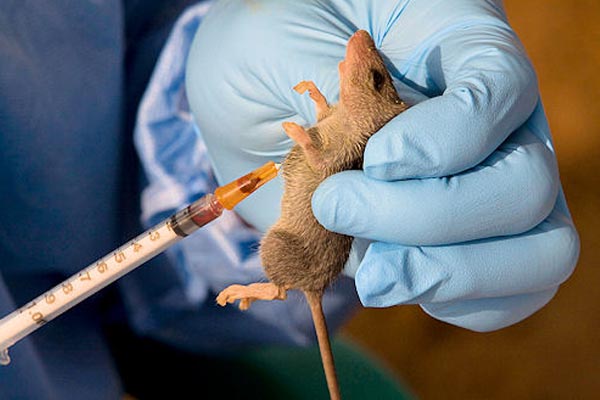
A consultant infectious diseases physician at JUTH, Dr Nandom Kenneth Bitrus, explained that Lassa fever is commonly transmitted by a multimammate rat known as Mastomys natalensis.
According to him, these rats are frequently found around households in both urban and rural areas.
“The infected rats come into close contact with human settlements and contaminate food items through their urine and faeces. When humans consume such contaminated food, transmission occurs, and symptoms begin to manifest,” he said.
Dr Bitrus noted that the virus does not cause symptoms in the rats but becomes evident once it enters the human body.
On prevention and treatment, he stressed the importance of early detection and prompt treatment. “Once the disease is suspected, treatment should begin immediately.
“Early treatment improves survival, but if patients present one or two weeks after infection, the chances of survival are significantly reduced,” he said.
For the general public, Dr Bitrus advised maintaining a clean environment, blocking openings in houses to prevent rats from entering, and properly covering food items.