
Please discuss Alzheimer’s disease
May God in his infinite mercy bless Daily Trust management and the weekly medical doctor for creating this platform that has educated millions of Nigerians on health. Last week you discussed about dementia, please I want you to talk about Alzheimer’s disease, my dad was diagnosed of it some years back. – Blessing V […]
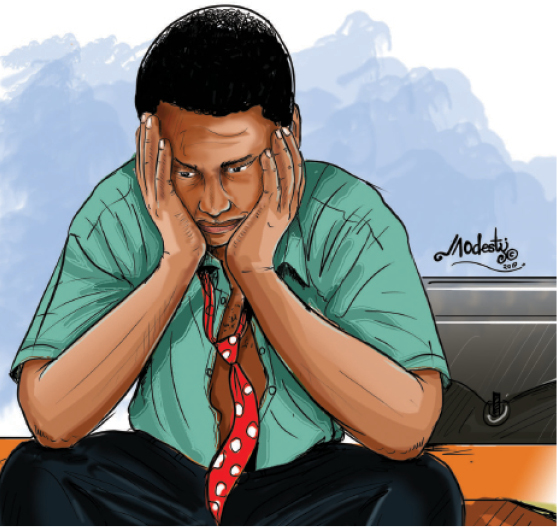
May God in his infinite mercy bless Daily Trust management and the weekly medical doctor for creating this platform that has educated millions of Nigerians on health. Last week you discussed about dementia, please I want you to talk about Alzheimer’s disease, my dad was diagnosed of it some years back.
– Blessing V
Thanks Blessing for your kind words and wishing your dad healthier and prosperous life. Alzheimer’s disease is a “progressive disease that destroys memory and other important mental functions.
At first, someone with Alzheimer’s disease may notice mild confusion and difficulty remembering. Eventually, people with the disease may even forget important people in their lives and undergo dramatic personality changes. Alzheimer’s disease is the most common cause of dementia, a group of brain disorders that cause the loss of intellectual and social skills. In Alzheimer’s disease, the brain cells degenerate and die, causing a steady decline in memory and mental function.” (Mayoclinic)
What are the symptoms?
Memory: everyone has occasional memory lapses. It’s normal to lose track of where you put your keys or forget the name of an acquaintance. But the memory loss associated with Alzheimer’s disease persists and worsens, affecting your ability to function at work and at home.
People with Alzheimer’s may:
1. Repeat statements and questions over and over, not realizing that they’ve asked the question before.
2. Forget conversations, appointments or events, and not remember them later.
3. Routinely misplace possessions, often putting them in illogical locations.
4. Get lost in familiar places.
5. Eventually forget the names of family members and everyday objects.
6. Have trouble finding the right words to identify objects, express thoughts or take part in conversations.
7. Thinking and reasoning; Alzheimer’s disease causes difficulty concentrating and thinking, especially about abstract concepts like numbers.
8. Making judgments and decisions; Responding effectively to everyday problems, such as food burning on the stove or unexpected driving situations, becomes increasingly challenging.
9. Planning and performing familiar tasks; Once-routine activities that require sequential steps, such as planning and cooking a meal or playing a favorite game, become a struggle as the disease progresses. Eventually, people with advanced Alzheimer’s may forget how to perform basic tasks such as dressing and bathing.
10. Changes in personality and behavior; Brain changes that occur in Alzheimer’s disease can affect the way you act and how you feel.
What are the causes?
Scientists believe that for most people, Alzheimer’s disease is caused by a combination of genetic, lifestyle and environmental factors that affect the brain over time.
What are the risk factors?
1. Age; Increasing age is the greatest known risk factor for Alzheimer’s. Alzheimer’s is not a part of normal aging, but your risk increases greatly after you reach age 65. The rate of dementia doubles every decade after age 60.
2. Family history and genetics; your risk of developing Alzheimer’s appears to be somewhat higher if a first-degree relative, your parent or sibling has the disease.
3. Down syndrome; many people with Down syndrome develop Alzheimer’s disease.
4. Sex; women seem to be more likely than men to develop Alzheimer’s disease, in part because they live longer.
5. Past head trauma; People who’ve had a severe head trauma seem to have a greater risk of Alzheimer’s disease.
6. Lifestyle and heart health; There’s no lifestyle factor that’s been definitively shown to reduce your risk of Alzheimer’s disease.
What are the complications?
A person with Alzheimer’s disease may not be able to:
1. Communicate that he or she is experiencing pain, for example, from a dental problem
2. Report symptoms of another illness
3. Follow a prescribed treatment plan and notice or describe medication side effects
What are the ways to prevent it?
Keeping active physically, mentally and socially may make one’s life more enjoyable and may also help reduce the risk of Alzheimer’s.