
Police yet to comply with N30m court order – Sowore
Omoyele Sowore, publisher of Sahara Reporters and human rights activist, said the Nigeria Police Force (NPF) and Lagos State Commissioner of Police, Moshood Jimoh, have yet to comply with a Federal High Court order awarding him N30 million in damages. “CP Moshood Jimoh of the Lagos State Police Command and the Nigeria Police Force have […]
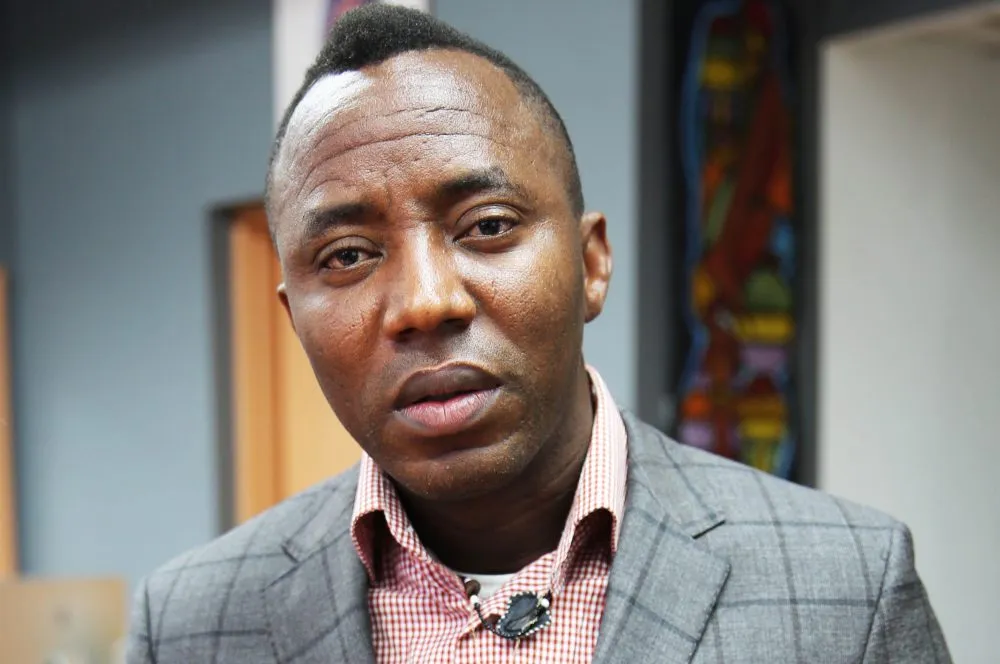
Omoyele Sowore
Omoyele Sowore, publisher of Sahara Reporters and human rights activist, said the Nigeria Police Force (NPF) and Lagos State Commissioner of Police, Moshood Jimoh, have yet to comply with a Federal High Court order awarding him N30 million in damages.
“CP Moshood Jimoh of the Lagos State Police Command and the Nigeria Police Force have not yet complied with a Federal High Court judgment ordering them to pay me N30 million in damages for illegally declaring me ‘WANTED,’” Sowore posted on X on Monday, accusing the police of ignoring the court ruling.
Last Friday, the Federal High Court in Lagos ruled that the police commissioner acted illegally in declaring Sowore wanted.
The trial judge, Musa Kakaki, held that the November 2025 declaration violated the activist’s fundamental human rights and awarded N30 million against the Lagos police commissioner and the Inspector-General of Police (IGP).
On November 3, 2025, the Lagos police commissioner declared Sowore wanted over an alleged public disturbance linked to his participation in a protest against demolitions in the Oworonshoki community.
The police claimed Sowore intended to incite unrest despite compensation provided to affected residents.
However, even after a favourable ruling, enforcement of judgment debts against government agencies is complicated.
Payment must comply with the Sheriffs and Civil Process Act 2004.
The Attorney-General of the Federation (AGF) must approve the payment, and the Central Bank of Nigeria (CBN) governor must authorise the deduction from the relevant law enforcement agency’s accounts.
The legislation has made it difficult for victims of fundamental human rights violations to collect court-ordered damages, even after a judgment in their favour.
The Nigerian Senate has recently begun reviewing amendments to this law to ease the process for victims seeking enforcement of such court orders.