
Population and poverty: A ticking time bomb for Arewa
Being in the public health field for over a decade, I have been privileged to work in rural and underserved communities for several years and witnessed the devastating toll that uncontrolled births and inadequate family planning take on women, children, and families, particularly in Arewa. These are not abstract challenges; they form part of daily […]
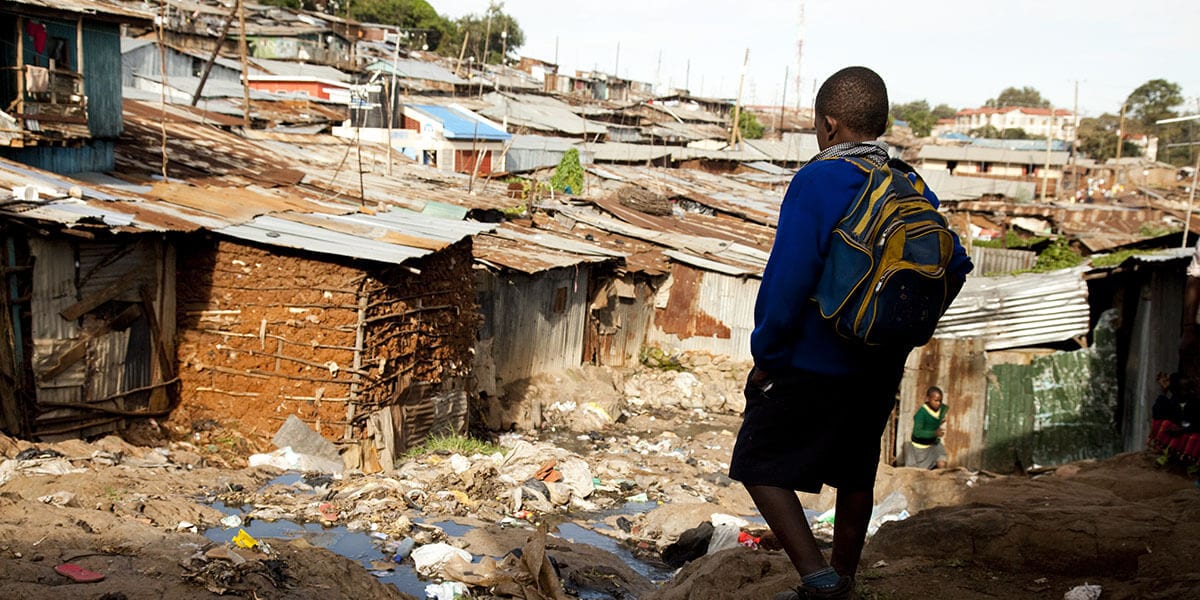
Being in the public health field for over a decade, I have been privileged to work in rural and underserved communities for several years and witnessed the devastating toll that uncontrolled births and inadequate family planning take on women, children, and families, particularly in Arewa. These are not abstract challenges; they form part of daily struggles that push many families deeper into poverty and suffering. It is about time that family planning and birth spacing be discussed without reservation, breaking free from the silence and stigma that surrounds these conversations.
In the heart of many communities, the stories painfully repeat themselves. Women arrive at hospitals carrying malnourished children on their backs, visibly pregnant with another child. Their faces tell a story of exhaustion and despair. Many of them have other children waiting at home, all below the age of five years. Most of them have husbands who are either absent or cannot afford even the most basic medical expenses. Sometimes health workers try their best to save lives by paying for life-saving treatments with their own money. But how long are they going to keep this cycle running without actually dealing with the root cause?
Unfortunately, fertility rates in Arewa remain high, which exacerbates the problem. Families with so many children often struggle to provide basic needs, such as adequate food, healthcare, and education. This lack of resources leads to malnourishment and educational underachievement, stifling the potential of future generations.
The data is as alarming as the realities we see. Nigeria has the second-highest burden of stunted children in the world, with 32 per cent of children under five years old being affected. Northern Nigeria is the epicentre of this crisis, with stunting and wasting being widespread at alarming rates. Similar to chronic malnutrition, stunting carries heightened risks of death apart from impairing cognitive development and reducing educational and economic productivity through to adulthood; these effects may be ripples contributing to overall economic losses estimated at possibly as high as 11 per cent of Nigeria’s GDP.
- Amnesty International urges security operatives on impartial trial of Hamdiyya
- Almajirai are out-of-school children
Mostly, women in critical conditions of pregnancy are carried on makeshift stretchers for miles, as there is no money for transportation. The mothers take their sick children to the hospital, only to go back empty-handed because they cannot afford the cost of medications. All such incidents can usually be traced back to one root cause: poverty and a lack of family planning.
Some will tell you that Islam encourages many children and setting limitations on the numbers runs in contrast to its principles. These interpretations do not point to a wider message for responsibility and moderation in Islam. The Prophet Muhammad (SAW) encouraged Muslims to multiply, but this encouragement was coupled with a clear directive that children must be taken care of. Bringing children into the world without the means to care for them, educate them, and nurture their potential goes against the very essence of Islamic teachings. The dignity of every human being is a core principle in Islam, and that dignity begins with ensuring every child has access to a life of opportunity and care.
Many contraceptives are looked upon with suspicion and distrust, dubbed “Western tools” to reduce the number of Muslims. Such baseless fears have kept many of the families away from using the modern methods of birth spacing, even in cases when these methods might prove to be lifesavers.
The issue of family planning has to be tackled from many ends: governments should prioritise family planning programmes and make them accessible to all, especially in rural areas. This includes providing free or subsidised contraceptives, training health workers, and investing in outreach programmes that will sensitise families to the benefits of birth spacing.
Religious and community leaders should use their platforms to dispel myths and encourage responsible parenting.
But all these will happen only when there is a collective will to break the conspiracy of silence on family planning. We have been addressing this issue behind closed doors for quite some time now, treated as some sort of taboo rather than an issue of public health and national development. The reality is we must bring discussions related to family planning and birth spacing into the mainstream, making discussions on them as normal as any other happening in the community. And I am excited that some respected traditional and religious leaders have started shaking the table openly.
Unchecked population growth indeed has undeniable economic implications. The country is already battling high rates of unemployment, a health infrastructure that is not up to par, and an unconducive environment for educational opportunities. In Arewa, where the incidence of poverty is among the highest in the country, a rapidly increasing population adds to the already high burden faced by families. Many families struggle to provide even the basic necessities of life, let alone invest in the future.
Family planning is not about limiting the size of the family, rather, it is about making sure that each child descends into a family that can provide for their health, education, and well-being. It is about giving women the chance to recover between pregnancies, improving their health and well-being. It is about empowering families to make informed choices about their future, free from the shackles of poverty, building a better life for their children.
Arewa cannot continue along this path of unchecked population growth without adequate resources to support it. The future depends on what we do today. We cannot afford to tiptoe around the issue for fear of controversy or backlash or wait any longer while millions of women and children continue to suffer. Family planning is not merely a health issue; it is a moral imperative and a cornerstone of regional and national development. If we do not act, the consequences will be catastrophic. But if we rise to this challenge, we can transform lives, uplift communities, and pave the way for a brighter future.
For the sake of our children, our families, our region, and our country, let us take that bold step forward. The choice is ours, and the time is now.