
Post COVID-19: Lessons learnt and resetting priorities
Across the world, COVID-19 has brought with it incredibly sad realities of deaths and illnesses unimaginable almost a year ago -altering significantly collective and individual plans including government plans and action. Undoubtedly, the dreaded disease will be defeated but its lessons will and should remain with us for a very long time. In Nigeria, just […]
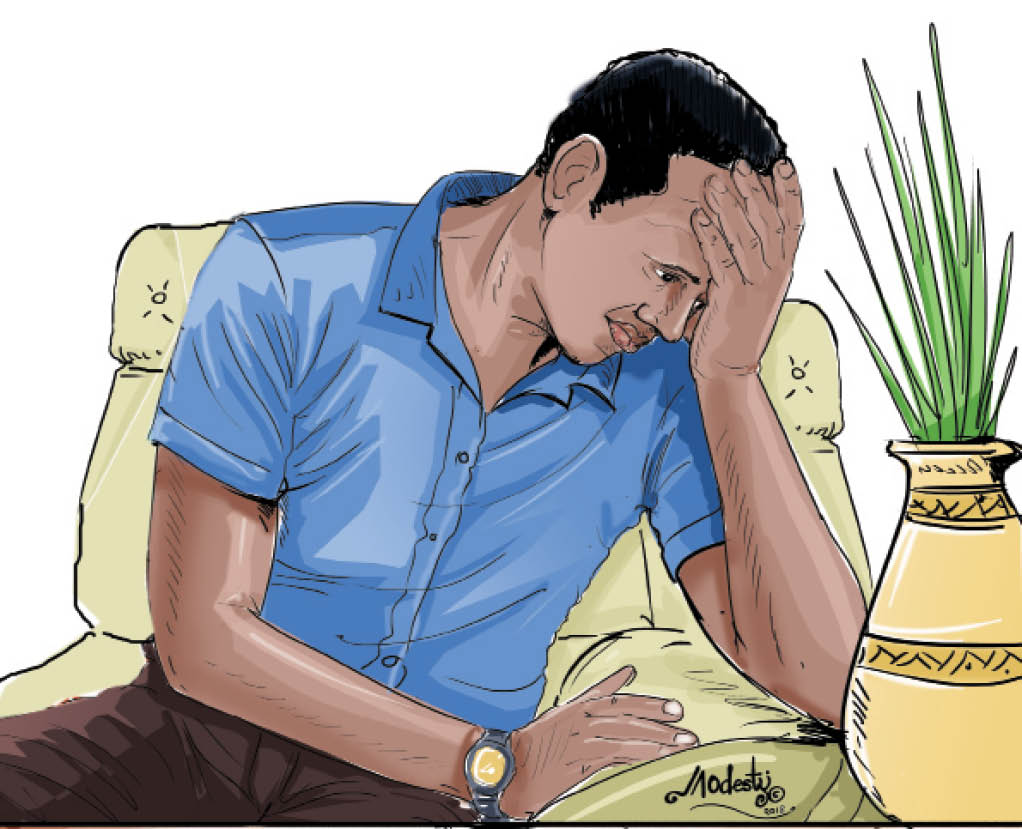
Across the world, COVID-19 has brought with it incredibly sad realities of deaths and illnesses unimaginable almost a year ago -altering significantly collective and individual plans including government plans and action.
Undoubtedly, the dreaded disease will be defeated but its lessons will and should remain with us for a very long time.
In Nigeria, just as in many other countries, no one can deny that not only has the disease and its scare brought into sharp focus the mistakes and failures of the past, it has reinforced more than ever before the imperative of pursuing urgently and vigorously a new raft of ideas and action plans that should seek to release our people from the stranglehold of poverty and disease, re-energise our national economy, deal with renewed urgency the wide social disparities that have lingered with successive governments and ensure greater political participation and speedy reforms.
While battling COVID-19 with determination, faith and focus, we must now begin to consider much better options for the immediate and longer-term future.
A sobering and extremely ambitious futuristic perspective is now imperative -indeed inevitable – if we are to forestall potential dangers that could possibly lurk ahead. This will be no time for petty political bickering but one in which the political elites ought to pull together and galvanise the people towards the attainment of greater societal ideals and importantly the urgent pursuit of a new set of development priorities across health, education, social inclusion, economic renewal and growth as well as political participation and reforms.
And I need to emphasise here that this is not a burden that lies upon the central government alone but surely very significantly on the state and local governments across the country. Indeed, we should begin to see a greater sense of urgency and ingenuous thinking at the state level which unfortunately now clearly appears to be either lacking or could do with significant upgrade in quite a good number of states.
Health
In no other sector has COVID-19 revealed anew the gross and sad errors of the past and the need for a new trajectory as the health sector. COVID-19 has revealed that the huge budgetary expenditures of the past years have not necessarily translated to well-equipped and highly functional hospitals in very good number of cases.
There have also been missed opportunities in respect of building not only well-equipped specialist hospitals but properly equipped, functional general hospitals in the nooks and crannies of the land.
Admittedly, health infrastructure development requires considerable financial resources which have not always been available, but in quite a good number of states, a lack of strong political will, wrong priority setting, and misapplied funding have sadly undermined and limited what could have been achieved. One clear manifestation of this trend was the grossly inadequate or in a good number of cases, a clear absence of ventilators and other important equipment in the wake of the pandemic.
Education
The COVID-19 pandemic appears to have brought to a total halt to formal learning in all our institutions of learning – universities, polytechnics and secondary schools. This need not necessarily be the case. Decades of large and almost complete concentration on the delivery of educational content only via traditional modes of learning delivery – almost excluding totally technology as a complementary mode of learning delivery has now left student, teachers and institutions largely exposed and unable to adapt to changing times. Post-COVID times, institutions must now vary their learning delivery methods and invest in technology enablers to facilitate alternative and adaptive learning approaches with the active support of government.
In addition, as I have argued in a previous article, there is an urgent imperative for the democratization of ICT adoption – ensuring that ICT becomes an important and compulsory element of school curriculum, at the very least at the secondary and higher institutions of learning.
Social inclusion
Nothing portends greater danger than a lukewarm attitude by governments and indeed the elite towards the wide social disparities that are undeniably a sad feature of our lives. While governments at the state and federal levels may have initiatives in place to bridge the gaps that exist, there need to be greater concerted actions to tackle the twin issues of poverty and infrastructure deficit which remain important triggers for the social disparities’ challenges and indeed other social problems that we are now confronted with.
Economic renewal and growth
Given the clear fact that oil still represents the major foreign exchange earner for Nigeria – representing 90% of the country’s export, the steep decline in the demand for oil and oil prices with its obvious implications on government expenditure stemming directly from the pandemic has further reiterated the urgency required in the pursuit of other multiple sources of income. Already, the central government has invested significantly in agriculture as an attempt to diversify revenue source but more significant push will be required to re-energise other sectors such as manufacturing, mining and ICT. Importantly, more ingenuity will be required at the state levels in what is clearly an urgent necessity to stimulate state economies and identify new revenue sources and quickly wean them from an overbearing dependence on central funds.
Political participation and reforms
Political participation has declined, coming to a low of 35% in the 2019 elections. Post COVID-19, we must transit our electoral battles to a place where ideas and individual candidate pedigree become key determinants of outcomes.
In all, COVID-19 has been a sudden and unexpected occurrence across the world which has triggered sad and unfortunate illnesses and deaths – jolting the world in a way that has not been witnessed for several years.
Prince Ehinlanwo is a UK-based IT Consultant/Manager and was Ondo State governorship candidate of defunct Congress for Progressive Change (CPC). Email – [email protected]