
Poultry expert explains right time to cage layers
A poultry expert has said that many commercial layer farmers are making costly mistakes in handling their birds at certain stages, which significantly affects their profit margins. Dr James Baba Wageti, the group manager, Marketing and Sales at Adamore Nig, who has 31 years of experience in the poultry industry, explained the common mistakes farmers […]
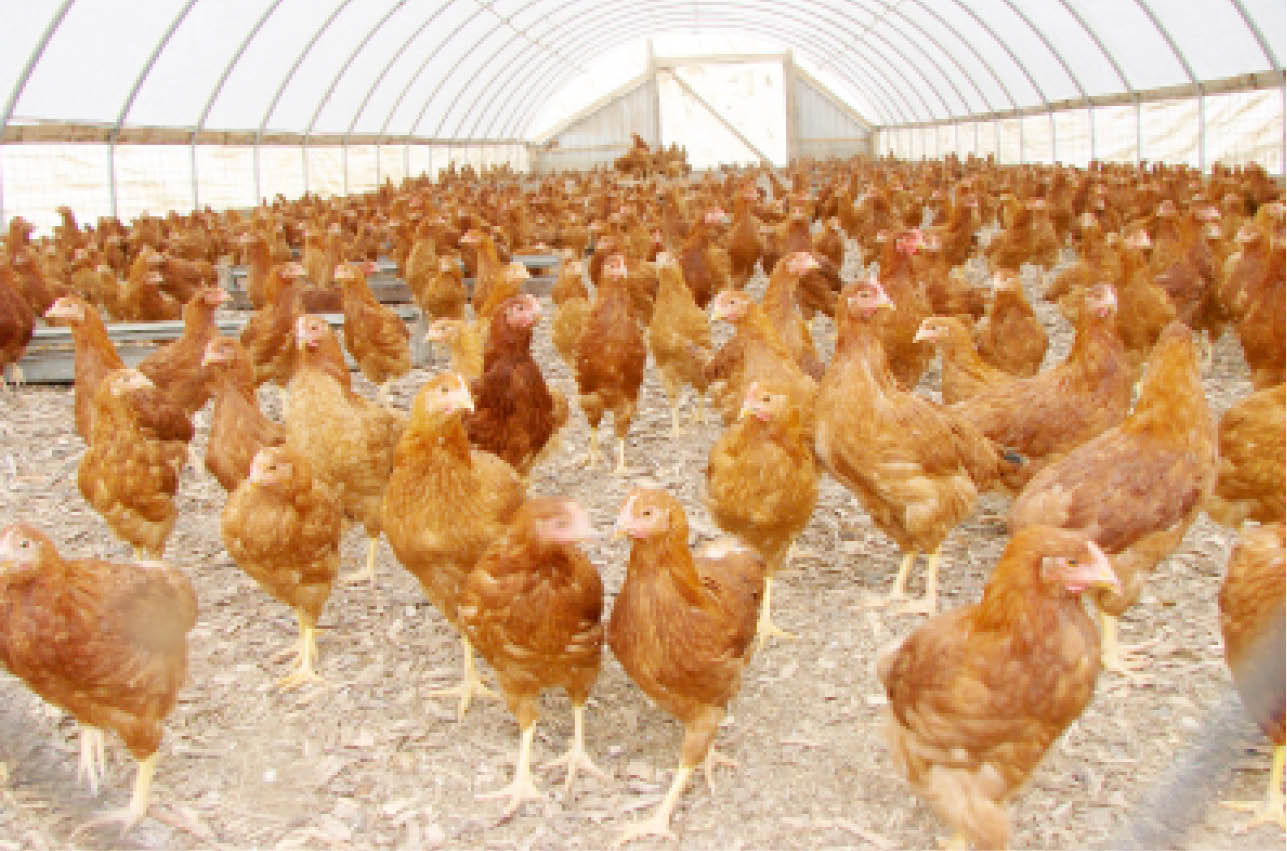
FILE PHOTO: Poultry farm
A poultry expert has said that many commercial layer farmers are making costly mistakes in handling their birds at certain stages, which significantly affects their profit margins.
Dr James Baba Wageti, the group manager, Marketing and Sales at Adamore Nig, who has 31 years of experience in the poultry industry, explained the common mistakes farmers make and suggested the appropriate time to transfer laying birds from the rearing unit to the cage.
The expert said, “A common but costly management error observed on many farms is caging or purchasing point-of-lay birds at 16 weeks of age. From extensive field observations and technical experience, it is professionally advisable for farmers to transfer or cage their pullets between 13 and 15 weeks of age. This practice minimises stress, promotes early adaptation and enhances egg production performance.”
Dr Wageti noted that many farmers experience “hidden losses that silently erode profits. One of such hidden losses is improper timing of bird transfer, which negatively affects feed efficiency, egg production and flock health.”
- Nigeria not broke, it’s all about priorities — Dr Okeke
- Nigeria and the opportunity of China’s 15th five-year plan
He said that for commercial layer breeds, such as the “Isa Brown,” the pullet usually attains 95 per cent of adult size and 75 per cent of mature weight by the 12th week.
“At 16 weeks, the bird is already undergoing physiological transformation to prepare for lay. Stress or transfer at this stage can interfere with reproductive organ development and hormonal balance,” he added.
Right time to transfer birds
The expert advised that professionally, transfer from the rearing unit to the lay unit should occur ideally four weeks before the onset of lay or at least two weeks before laying starts.
He said this interval “allows the birds to adjust to new housing and feed systems, recover from handling and transport stress and regain any body weight lost during movement.”
“From my 31 years of field experience, birds typically lose up to 10 per cent or more of body weight after transfer, depending on how they are handled. Early transfer helps them recover in time before lay begins,” he said.
Consequences of late transfer after 16 weeks
The expert warned that transferring birds at 16 weeks or afterwards can result in damage to developing ovaries and reproductive organs.
It can also cause rupture of yolk follicles, leading to yolk deposition in the body cavity and increased cases of egg peritonitis, delayed or uneven onset of lay, reduced overall flock performance and egg yield.
Advice to farmers
To ensure optimal performance, the professional advised farmers to cage or transfer pullets between the 13th and 15th week of age and maintain high body uniformity (85 per cent) at transfer.
He said farmers should ensure that they target a body weight of 1.35kg at 16 weeks and 1.5kg by 18 weeks.
They should also provide balanced nutrition and controlled lighting during the transfer period.
Critical period: 18th – 42nd week
Dr Wageti opined that between the 18th and 42nd week, farmers must closely monitor performance indicators.
During this stage, body weight increases from 1.5kg to about 1.9kg to 2.0kg, egg production rises from zero to peak level and egg size increases from approximately 40g to 60g.
He stressed that consistent management, good nutrition and stress-free housing during this period determine the success of the entire laying cycle.