
Preventing escalating hunger: Why Nigeria needs a youth-centred disaster response policy
Due to its weak approach to emergency management, Nigeria continues to grapple with multidimensional humanitarian issues. The country is home to a worrisome population of homeless people especially in Borno State where more than two million individuals have been displaced by swathes of endless insurgency. In northeastern Nigeria, ongoing conflicts have not only badly affected […]
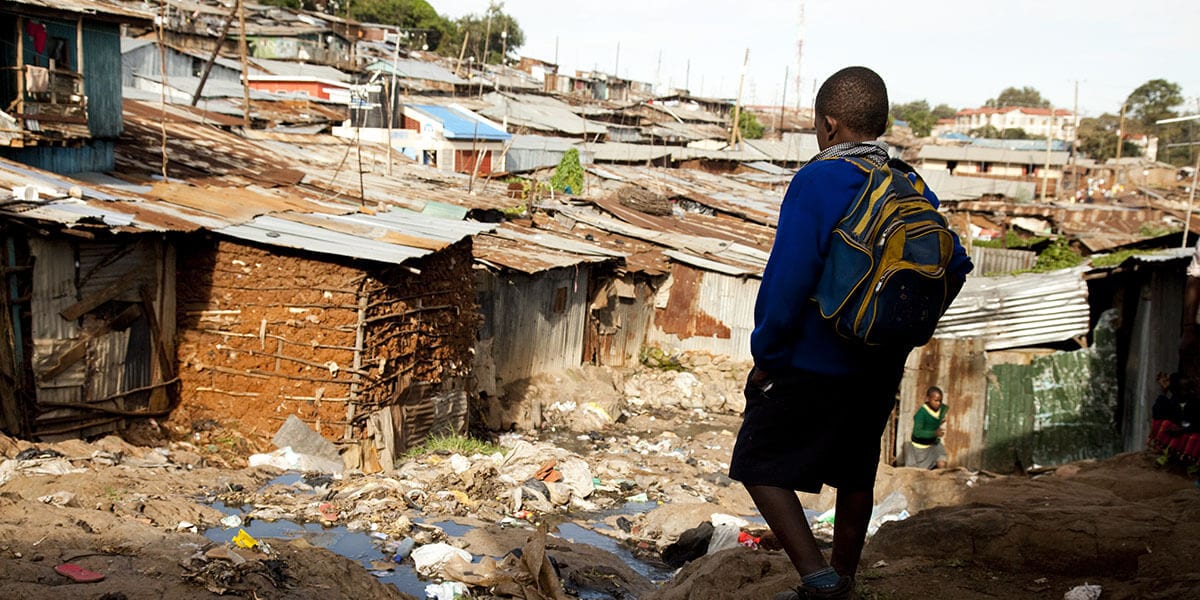
Due to its weak approach to emergency management, Nigeria continues to grapple with multidimensional humanitarian issues. The country is home to a worrisome population of homeless people especially in Borno State where more than two million individuals have been displaced by swathes of endless insurgency.
In northeastern Nigeria, ongoing conflicts have not only badly affected farming activities, but also brought about food shortages, thereby intensifying Nigeria’s level of child malnutrition. Many Nigerian children – especially those under five years of age – have become victims of malnutrition as food insecurity persists in the country.
Several factors – poor infrastructure, delayed mobilisation, inadequacy of reliable real -time data, and lack of proactivity –manifest as the reasons for Nigeria’s poor disaster response system. While disaster response personnel persistently arrive late at emergency scenes, the Nigerian government at the federal, state and local levels further worsens the situation by poorly managing high-impact emergencies such as the insurgency in Borno and the food shortages in the North East.
Youths, anywhere in the world, are pivotal to community-based resilience and proper disaster management. Unfortunately, in Nigeria, the youths are often excluded from national disaster planning. This exclusion has created gaps in the country’s disaster management framework, and the gaps often manifest as weak community-based resilience and lack of proactive risk management.
- PDP NEC meeting holds today, NWC members insist
- Nigeria Losing N500b to Industrial Accidents – VC FUL
While Nigeria’s partnership with the World Food Programme (WFP) is aimed at building a disaster management framework which incorporates livelihood sustenance, sensitisation campaigns, and food support, persistent youth exclusion remains one of the core hindrances to the achievement of effective disaster management in Nigeria. Contrarily, different African countries, including in East Africa, have largely benefitted from WFP’s disaster management framework which emphasises preparedness, youth-inclusive policymaking, proper response efforts, and community sensitisation campaigns.
As WFP’s emergency management model proves effective elsewhere, it is therefore evident that Nigeria must prioritise the model’s best practices –such as data-driven policymaking, youth inclusion, and proactive (response) strategies –in order to have a resilient disaster response system.
The youth in Nigeria remains a significant demographic as individuals under age 25 constitute well above half of the country’s population. With respect to this beneficial youth population, it is irrefutable that a youth-centered policy will positively reshape Nigeria’s weak disaster response system.
As a matter of necessity, the policy should, on the one hand, mandate the National Youth Service Corps (NYSC) to empower corps members with disaster management skills and on the other hand, it should incorporate emergency management education into the national academic curriculum.
The youth-centred disaster management framework can foster strategic relationships between youth-led disaster management teams and local stakeholders such as traditional leaders and local government authorities. Such relationships will be greatly beneficial because the energy of the youth-led teams can combine with the authority of the local stakeholders to help build a resilient and proactive emergency management framework.
The youths can specifically act as data collectors (gathering insightful data about food insecurity and other emergencies), mobilisers (driving effective sensitisation campaigns), and storytellers (using digital tools to effectively narrate the impacts of real-life disaster scenarios).
Towards building a resilient and youth-inclusive disaster response system, the Federal Fire Service, National Emergency Management Agency (NEMA), and the Ministry of Humanitarian Affairs should strategically partner with the World Food Programme (WFP). This partnership would be a great avenue for Nigerian youths to learn relevant skills – such as community-oriented interaction, resilience building, and disaster readiness –under the authoritative watch of the WFP. Especially in terms of preventing escalating hunger, a strategic NEMA-WFP partnership should not only help Nigeria secure grants towards the establishment of food relief mechanisms, but also incorporate Nigerian youths into the conduct of food distribution across hunger-vulnerable regions in the country.
Likewise, youth-led disaster management teams are capable of effectively deploying proactive strategies and rapid responses in regions with the vulnerable climate that might bring about food shortages. In point of fact, a well-prepared youth-inclusive policy is the solution to Nigeria’s weak disaster response system.
The energy of young people is the exact recipe for effectively shifting from a reactive response system to the proactive framework that helps lessen Nigeria’s disaster vulnerability, thereby preventing escalating hunger in the country. Even if we generally agree that certain disasters are bound to happen, we should never allow hunger to escalate.
A youth-inclusive disaster management framework can not only prevent hunger escalation in Nigeria –it is also the perfect way to leverage the country’s most energetic minds towards a resilient emergency response system.
Abdullateef is the Executive Director of Saving African Youths Dream Initiative (SAYDi) and a European Union Youth Adviser in Nigeria