
Prince Charles in Nigeria
The heir to the British throne Prince Charles’ three-day visit to Nigeria from Tuesday to Thursday last week was characterised by symbolism and it reflected the issues that are known to be dear to the prince who, sooner or later, would succeed his mother Queen Elizabeth II as King of England. In addition, Prince Charles […]
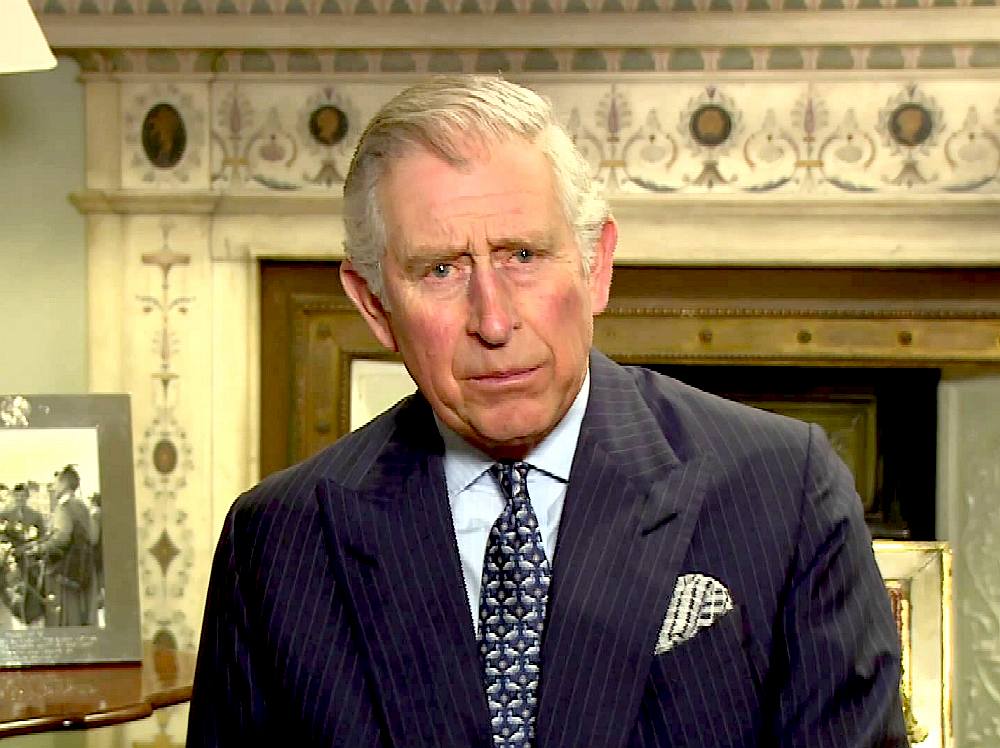
Prince Charles
The heir to the British throne Prince Charles’ three-day visit to Nigeria from Tuesday to Thursday last week was characterised by symbolism and it reflected the issues that are known to be dear to the prince who, sooner or later, would succeed his mother Queen Elizabeth II as King of England. In addition, Prince Charles was named last April as the next Head of the 53-member Commonwealth of Nations in succession to the Queen. That position will require him to dialogue with Commonwealth leaders in order to promote understanding and peace.
The Nigeria visit was part of a three-nation tour of West Africa. Prince Charles and his wife Camilla, the Duchess of Cornwall, had earlier visited Gambia and Ghana before they arrived in Nigeria on Tuesday. British High Commissioner to Nigeria Paul Arkwright said the Prince’s visit was mostly about peace-building activities, including addressing the farmers-herders clashes. He said the prince would discuss ways to strengthen existing ties between Nigeria and Britain and also discuss Nigeria-Britain relationships in trade, environment and education, “all of which are important to the future of the Commonwealth.”
While in Nigeria, the royal couple met with President Muhammadu Buhari at the Presidential Villa in Abuja. Their discussions were private. He then met with a delegation of top traditional rulers at the British High Commissioner’s residence in Abuja. Present at the meeting were the Sultan of Sokoto, Shehu of Borno, Oni of Ife, Oba of Benin, Emir of Kano, Obi of Onitsha and Etsu Nupe. The prince then held talks with some youths, the business community, the Armed Forces and people from the arts and fashion sectors.
The next day, he went to Lagos for more engagements, including a visit to the Naval Docks. He was conducted round the docks by Chief of Naval Staff Vice Admiral Ibok-Ete Ibas; Flag Officer Commanding, Western Naval Command Rear Admiral Habila Ngalabak and Commandant, Joint Maritime Security Training Centre, Captain Noel Madugu. They then took him on a tour of Lagos waters aboard the Nigerian naval ship, NNS Ekulu. He left the country on Thursday and returned home to Britain.
Prince Charles had visited Nigeria thrice before, in 1990, 1999 and 2006. During the latter visit, he visited the Armed Forces Command and Staff College, Jaji and commissioned the DFID office in Kano. The prince has so far visited 44 African countries, which testifies to his love for the continent and the seriousness with which he tackles his duties as future head of the Commonwealth. Such understanding of the continent will stand him in good stead when he eventually becomes King of the United Kingdom of Great Britain and Northern Ireland.
To some Nigerians, his visit here was a relic of colonial legacies and a painful reminder of the years of colonial rule with its plunder of national resources, humiliating subjugation, killing of thousands of people in the course of colonial conquest and the forced conscription of many young Africans to fight in foreign wars. Other Nigerians however saw it as opportunity to strengthen ties with one of the world’s important powers.
While Britain itself is preoccupied with challenges arising from Brexit, Nigerians and Africans need all the friends we can get in the wake of Trumpism in the United States and America’s economic and cultural retreat from the rest of the world. Prince Charles has proved himself to be such a friend. We should grab him with both hands until he proves otherwise.