
Questions over N6bn ‘World Cup Qualifiers’ budget as NSC explains allocation
The National Sports Commission (NSC) has explained why funds earmarked for the Super Eagles’ 2026 FIFA World Cup qualifying campaign remained in its 2026 budget, despite Nigeria’s failure to secure a place at the global tournament. The budget provision had raised questions among sports stakeholders, given that the qualifying series had already concluded with the […]
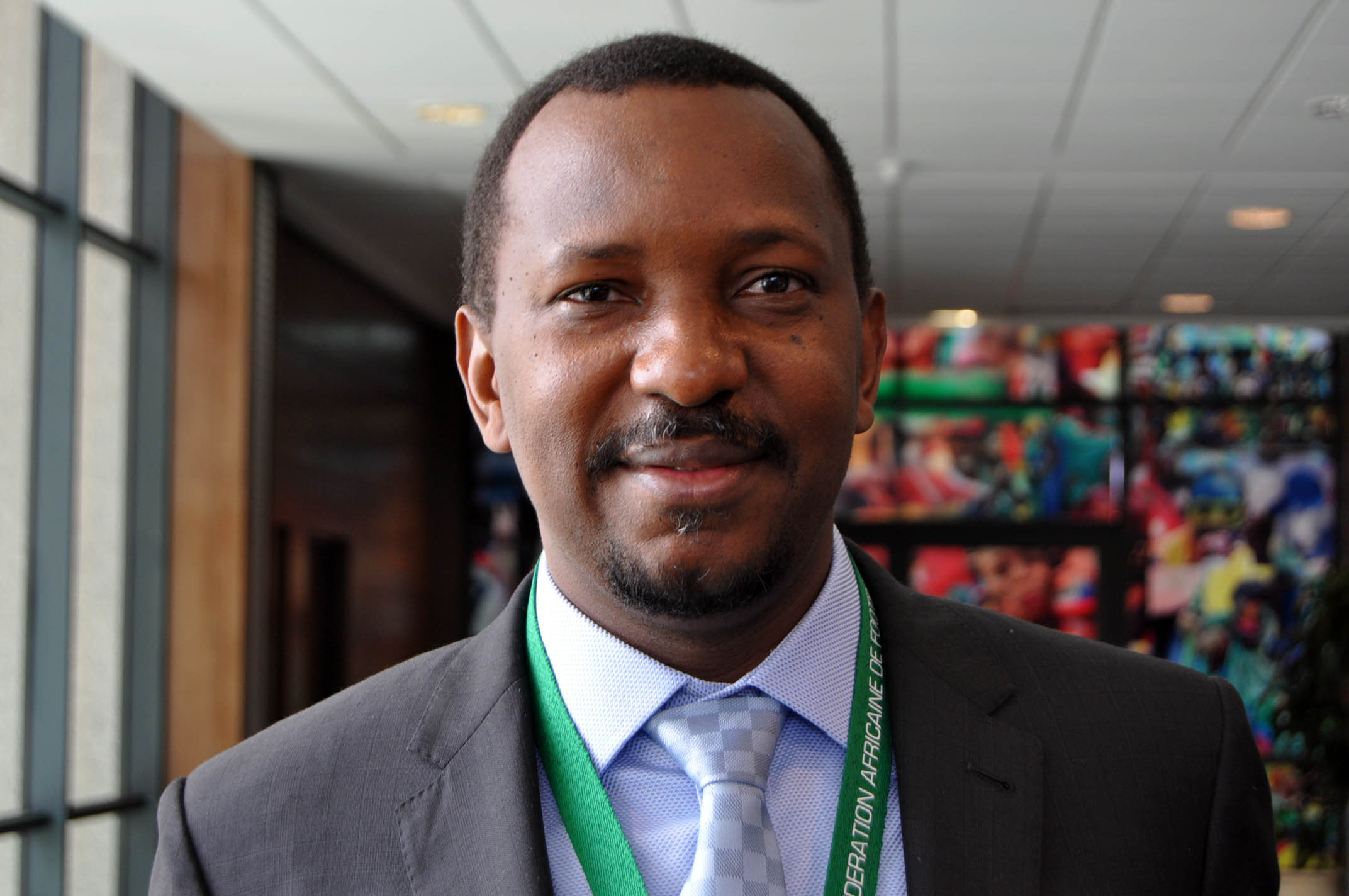
Shehu Dikko
The National Sports Commission (NSC) has explained why funds earmarked for the Super Eagles’ 2026 FIFA World Cup qualifying campaign remained in its 2026 budget, despite Nigeria’s failure to secure a place at the global tournament.
The budget provision had raised questions among sports stakeholders, given that the qualifying series had already concluded with the Super Eagles missing out.
However, the commission stated that the allocation was based on the budget preparation timeline and standard administrative roll-over processes.
In a bid to ensure the Super Eagles qualified for the 2026 World Cup, the Federal Government had originally allocated over N6 billion in the 2025 budget under the sub-head “Special Presidential Support Group for 2026 World Cup Qualifiers” to prosecute the qualification series.
Although the World Cup qualifiers ended in November 2026, the budget for the 2026 fiscal year was presented on December 19, 2025, with the project still featuring conspicuously on the line items.
This development prompted concerns from stakeholders who wondered why money for the failed World Cup bid was carried over.
When contacted by Daily Trust, the Chairman of the National Sports Commission (NSC), Mallam Shehu Dikko, stated that those questioning the allocation lacked a full understanding of budgetary procedures.
He explained that while the money was allocated in the 2025 budget for the qualifiers, it was never actually released.
Despite this lack of funding, the qualifying matches—including the World Cup playoff finals—were fully executed and funded out of pocket by the NSC.
Dikko further explained that the Federal Government had approved a directive for all unfunded 2025 budget provisions to be rolled over to the 2026 fiscal year for full implementation and deficit clearance.
“A simple check would show that this budget sub-head has been in the FGN budget since the 2025 Appropriation Act to support the objectives for the World Cup qualifiers,” Dikko said.
“However, it was not released in spite of the qualifiers being fully executed—including playing in the World Cup playoff finals, which were never originally budgeted for anyway. Full expenditures were made by the NSC to fund all programmes.
“Anyone can see the way the Super Eagles were fully supported, both above and below the line, to recover from a completely hopeless position of having only 3 points from a possible 12 to gather 14 points from the next available 18 points to qualify for the playoff finals.
“Also, the FGN approved to roll over all 2025 budget provisions that had not been funded into the 2026 budget so it can be funded, especially to defray the expenses and projects already executed in the 2025 financial year but not paid, or to execute outstanding projects in the 2026 budget year.”
He added that the timing of the budget presentation coincided with ongoing administrative appeals, which also justified the line item’s preservation.
“Thus, the budget sub-head for the ‘World Cup Qualifiers Support Group’ was duly rolled over to the 2026 budget and scaled up to potentially cater for Nigeria’s possible participation in the FIFA World Cup playoff final tournament and other matches in 2026, as Nigeria had an active petition before FIFA regarding the qualifiers by the time the 2026 budget presentation was ongoing,” he said.
Dikko reiterated that the roll-over of the World Cup Support Group sub-head is not an isolated case, noting that the policy cuts across all Ministries, Departments, and Agencies (MDAs).
He maintained that because the matches were fully executed but unfunded in 2025, it was administratively compulsory to move the sub-head to the 2026 budget to settle the accrued expenses.
“In any case, budgets—especially in sports, which is fluid and time-bound—are meant for planning and are expended only subject to the events happening or becoming due.
“So, technically and in reality, if a programme/project provided for in the 2025 budget is duly executed but not funded in 2025, then the sub-head has to be moved to the 2026 budget so it can be funded and paid,” Dikko said.
The NSC Chairman also revealed that due process was followed to amend the sub-head as required by law, a correction known in the budget process as a “Corrigendum.”
“After our World Cup hopes closed, we engaged the requisite authorities—namely the National Assembly (NASS) and the Budget Office—to initiate the formal legal process to amend the budget sub-head as provided by law,” Dikko explained.
“This ensures the additional funding provided in 2026 can be legally redirected to support all other national teams representing Nigeria in international competitions, especially at global and continental levels. In the budget process, a ‘Corrigendum’ is the official legal process used to amend budget sub-heads or correct errors observed in the Appropriation Act,” he stated.