
Re-greening Kano: A call to action
Higher than normal temperatures has filled the air in Kano in the past few months. The abnormal hot temperatures often referred to as Urban Heat-Island effect were unsurprising to weather experts as temperatures have soared across the globe in recent decades due primarily to human induced activities which exacerbate change in climate patterns similar to […]
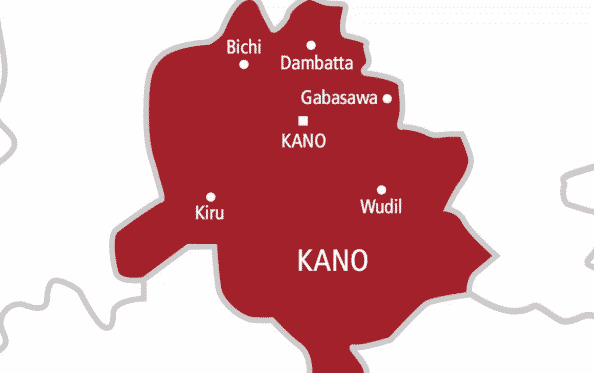
Higher than normal temperatures has filled the air in Kano in the past few months. The abnormal hot temperatures often referred to as Urban Heat-Island effect were unsurprising to weather experts as temperatures have soared across the globe in recent decades due primarily to human induced activities which exacerbate change in climate patterns similar to what’s being experienced in the state.
According to AccuWeather, on May 14, a peak of 43oC was recorded in Kano with all the days in-between May 04th and May 14th recording temperature peaks in excess of 40oC. Persistent and abnormal temperatures create distressing conditions among the public especially the vulnerable elderly among us. Similarly, higher than normal temperatures create a discomforting condition impacting pollinators such as bees, butterflies and other insects’ abilities to carry out pollinations with potential setbacks to crop outputs. Malaria and other vector-borne infectious diseases flourished in times of heatwaves posing escalating risks to public health.
While Africa contributed a meagre four per cent of the global greenhouse gas emissions which drives climate change, but the consequences of higher-than-normal temperatures know no boundaries. According to the United Nations (UN) report, global mean surface temperature is about 70 per cent more likely to average in the range of 1.5oC to 1.9oC between 2025 and 2029. It’s therefore pertinent for cities such as Kano to take actions to mitigate and adapt to changing climatic conditions through tree planting among other sustainable means.
With a population of over 9.4 million according to 2006 National Population Commission census figures, Kano state yearns for a down-to-earth commitment approach to cool off its surrounding environment and adapt to climate change impacts sooner rather than later. Less than four decades ago, most urban streets in Kano were lined-up with trees providing real benefits before they were indiscriminately cut down. Ironically, expanding human population/settlement, rural/urban migration, infrastructural developments and shrinking green spaces had created the perfect condition for the heat-island effect the city’s inhabitant’s lament. Recreating and expanding tree cover across the state has thus become an environmental emergency.
- BENUE UPDATE: Army Chief ‘relocates’ to Benue as 270 killed in 2 months
- New ICAN president vows to pursue policy advocacy
Meanwhile, numerous studies have shown the outstanding benefits associated with tree planting in combating high temperatures around the area they exist. Up to 12oc cooler temperatures were recorded under a shed of a tree as compared to treeless streets and outdoor concrete areas. Beside their cooling effect, trees purify underground water, produce oxygen and food, nourishes soil, reduce air/noise pollution, enhance wellness, promote human bond, home to countless organisms, enhances local biodiversity and much more.
A recent study by Giacomo Falchetta of the International Institute for Applied Systems Analysis (IIASA) found that cities are losing street level greenery at the rate of 0.3 to 0.5 per cent per annum. The figure may seem small but when added overtime, the loss of greenery is alarming. Some estimates put loss of tree cover in the last five decades in Kano to between 70 – 80 per cent further buttressing the urgent action needed to restore tree cover and expand green spaces for the wellbeing of the people.
As the 2025 rainy season (June – September) approaches, it’s pertinent to draw the governor’s attention to take advantage of the incoming rainy season and embark on massive tree planting across all the major roads in the city and local government headquarters across the state. To fast-track and accelerate their growth and development, at least two meters long of matured saplings could provide them with a head start to quickly adapt and grow during and after the rains.
Bearing in mind the rainy season usually last 3-4 months, making adequate plans for the critical and undoubtedly important “after care services” such as fencing and regular watering during the dry season would ensure the growth and survival of the saplings. A crucially important nurturing aspect which guarantee’s success of the project, if however, inade
Just as your predecessor, the late Audu Bako’s unforgettable legacy and landmark agricultural foundation of Kano state which stood-out to date, let your excellency’s legacy be remembered as the architect of nature restoration, “forested and greener” Kano.
Engr Yunusa can be reached via [email protected]