
Reasons National Assembly should reconsider rotational presidency bill
Nigeria is a diverse nation facing unprecedented insecurity and ongoing religious and ethnic violence. Implementing a rotational presidency would undoubtedly promote peace, unity, tolerance, and rapid development across the country. It’s crucial to recognize that since the beginning of our democracy, certain geopolitical zones have yet to produce a president. This situation poses a significant […]
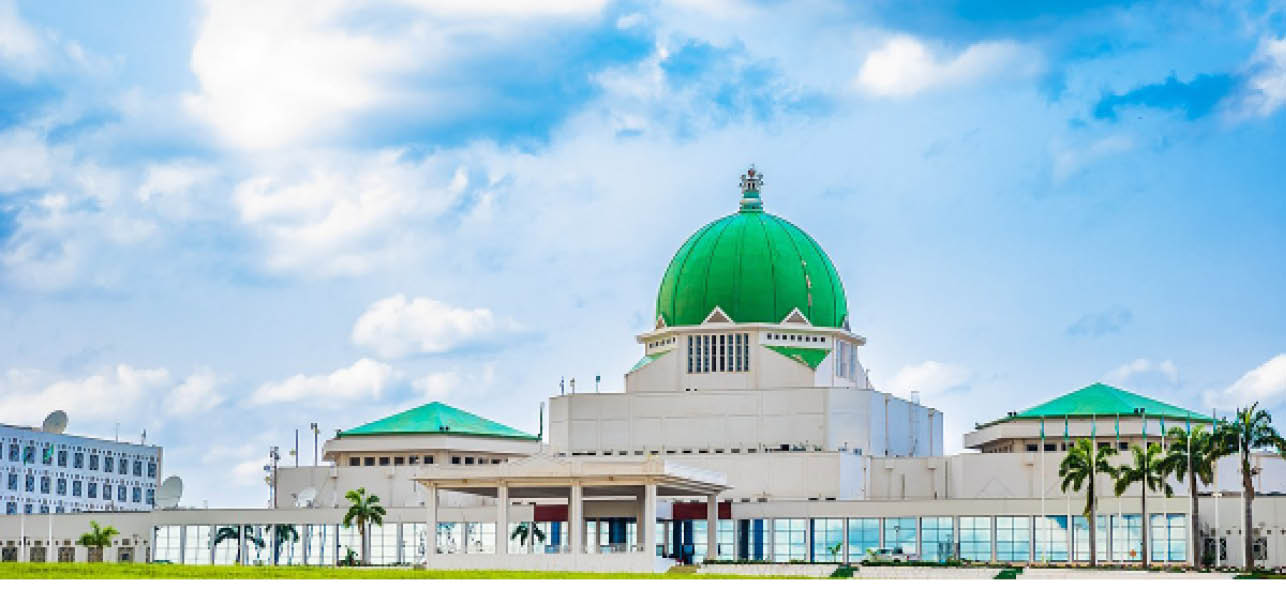
National Assembly
Nigeria is a diverse nation facing unprecedented insecurity and ongoing religious and ethnic violence. Implementing a rotational presidency would undoubtedly promote peace, unity, tolerance, and rapid development across the country. It’s crucial to recognize that since the beginning of our democracy, certain geopolitical zones have yet to produce a president. This situation poses a significant threat to our democracy, as some regions and ethnic groups are agitating for disintegration.
Former President Olusegun Obasanjo, from Ogun State in the South West, ruled Nigeria for a conservative eight years from 1999 to 2007. After his tenure, the late Umaru Musa Yar’adua from Katsina State in the North West assumed the presidency for two years. Following his death, Goodluck Ebele Jonathan served as interim president for two years and was later re-elected in 2011; he hails from Bayelsa State in the South-South geopolitical zone.
- Asset declaration: We’ll soon launch online portal for public officials – CCB Chairman
- Caleb Olubolade was sacrificial and audacious leader in service
In 2015, Muhammadu Buhari took office and served for eight consecutive years, also representing the North West, the same region as the late Yar’adua. Currently, Bola Ahmed Tinubu holds the presidency and is from the same geopolitical zone as Olusegun Obasanjo. This indicates that power is primarily rotating among just three geopolitical zones—South West, North West, and South-South—out of the six that exist in the country. The North East, South East, and North Central regions have never produced a president.
Therefore, the recent rejection of the rotational presidency bill by the National Assembly is an undesirable and undemocratic move, given the nation’s diversity. Passing this bill into law would enhance Nigeria’s global standing and strengthen its democracy. It is high time the three underrepresented regions began producing presidents, rather than just vice presidents.
Ukasha Rabiu Magama writes from Magama, Toro, Bauchi State.