
Reforming livestock farming for security and development in rural Nigeria
Between July 2024 and February 2026, Nigeria Watch reports that 1,303 Nigerians were killed in conflicts over cattle grazing, with a peak of 329 in a single month. And the toll is rising. If nothing changes, another 642 lives could be lost by the end of 2026 and these are lives that we can save! […]
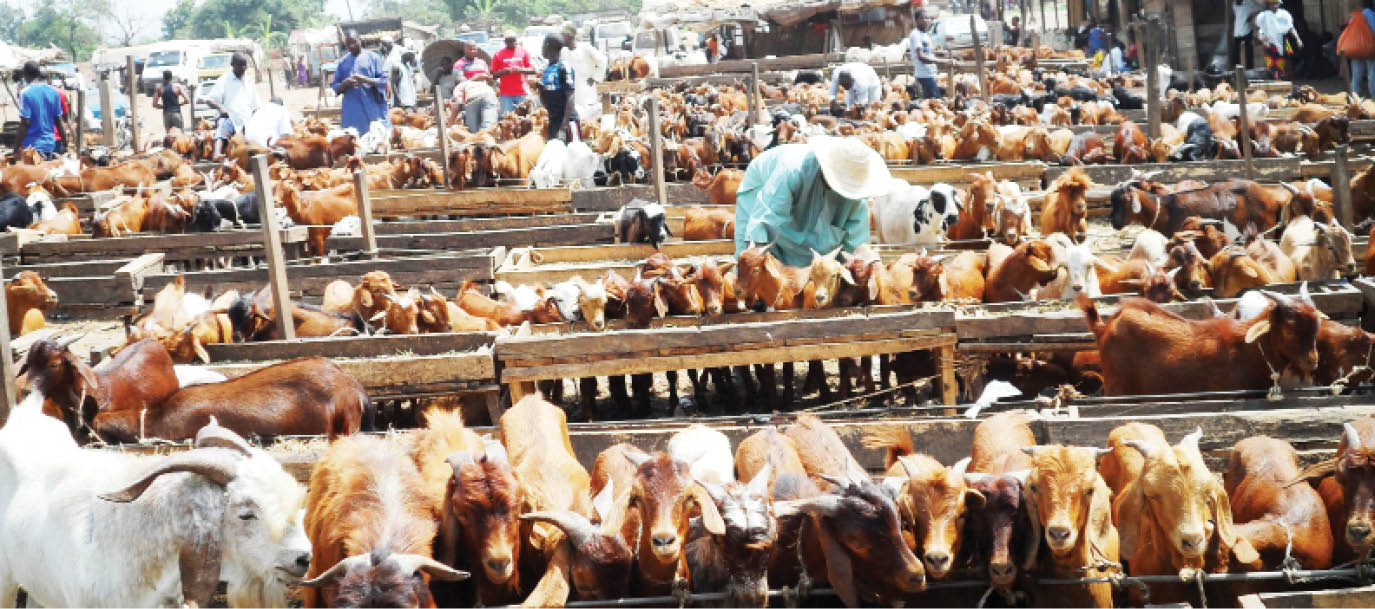
It is yet to be established if Covid-19 virus can be transmitted to livestock
Between July 2024 and February 2026, Nigeria Watch reports that 1,303 Nigerians were killed in conflicts over cattle grazing, with a peak of 329 in a single month. And the toll is rising.
If nothing changes, another 642 lives could be lost by the end of 2026 and these are lives that we can save!
Beyond the deaths, these conflicts are tearing apart rural communities, eroding trust, threatening the fragile social fabric that holds them together, displacements based on ethnicity and patterns of ethnic cleansing emerging in rural communities.
We have an opportunity now to change this trajectory but we need to act and not just act but act impactfully with a reduction in displacements and violence in rural communities as a key measurable outcome.
Due to these concerns, Nigerians have been yearning for sustainable solutions hence citizens were genuinely excited when with great fanfare and enthusiasm the President Bola Tinubu administration announced the creation of the ministry of livestock development.
This is so because one of the key mandate given to the ministry is to address the violence that has wreaked havoc across rural Nigeria, mostly attributed to groups categorized as farmer-herder communities.
Furthermore, a minister was appointed with a proven track record of modernizing livestock farming as a private business.
At one fell swoop, three key ingredients for progress: a need; an enabling government policy/buy-in and capable leadership with an entrepreneurial drive were achieved.
Nigeria has an opportunity now to change the trajectory but needs to act and not just act but act impactfully with a reduction in violence in rural communities as a key measurable outcome.
It is said that with every “good policy”, the devil is in the details, but I will go further to say it is in its execution.
Any intervention in a peace and conflict context has risk and opportunities; the goal of a responsive Government is to maximize the opportunities and minimize the risk.
The government through this new ministry needs as a matter of urgency to invest in minimizing the risk with this intervention-the modernization of livestock farming in Nigeria.
Modernization is a complex problem, it is not just about technology but it also has a social aspect.
If done without regards to the social aspect it becomes threatening, especially to groups that are already disadvantaged because of education, geography and certain bad choices they have made or were made for them.
My focus is the social aspect, because technology interacts, advances, flourishes or declines in a culture that is driven by social beings or actors.
In this case how does livestock farming modernization interact with the context in rural Nigeria and I would go further to say urban Nigeria, where the policies are designed and the narratives formed?
This is a context that has experienced a lot of violence, breakdown of social cohesion, built up community grievances and mistrust of governments actions because of a non responsive government.
As a student of innovation, governance, entrepreneurship I see a lot of opportunities in the context as it is. There is no gain saying that it is not a healthy context, but it is what we have.
So what do we do? How do we ensure that government policies succeed in a very difficult and divisive contexts?
Complex problems require addressing from multiple directions, I would recommend the government dedicate a considerable part of its budget and resources to do the following:
Introduce healthy narratives about governments intentions in modernizing livestock farming in Nigeria. Most of the narratives in Nigerians collective memory about livestock farming and governments intentions are very unhealthy revolving around land takeovers, taking over livelihoods of small holder or rural livestock farmers in favour of urban elites, “cattle modernization plans” etc.
The burden is on government by its actions on the ground to provide evidence of healthy narratives, especially because past initiatives showed patterns of urban elite capture, unsustainable initiatives and mismanagement.
The younger generation of livestock farmers in rural Nigeria have no experience of when the Nigerian Government as a matter of policy supported or increased assess to vaccines in a very transparent manner as an economic policy.
I suggest we restore and invest in that. Business is competition, self interest, market driven, provide the enabling environment- regulation (improved market linkages, access to vaccines’, inputs), security (tenure security, protection of life and property)- the Nigerian entrepreneurial spirit will run with the rest.
Policy is implemented in a context, each state and geopolitical zone in Nigeria has its unique context and relationship with livestock farming hence the need of contextualized solutions as against a one solution fits all.
The Federal and State Governments need to sit together and domesticate this policy with clear divisions of roles and areas of synergy.
But execution on the ground should be led by the states, who are constitutionally vested with land administration, are closer to the communities, have the networks at the local level and have great influence over narrative formation especially as regards land use and access.
Each State needs its livestock modernization plans based on its peculiarities and context; that feeds into the National policy.
Address the risk this good policy is creating- threatening the livelihood of an already restive and threatened rural youth with little or no hope of upward mobility or space in modernization because of a key structural disadvantage they have- access to education or marketable skills! Great innovations are iterated based on market and contextual realities.
The Ministry has been formed, they have started work; but they need to incorporate the feedback they are getting from the context (in this case the rural communities) to ensure there is a reduction in displacement and violence because of their modernization initiatives.
One area livestock Nigeria has achieved industrial production is poultry farming what lessons could we adapt from that?
The investments in hatcheries (improved breeds) and vaccines, allowing market forces or I would say the Nigerian entrepreneurial spirit to it take up from there?
I can still remember supporting my elder brother cool down his broilers by soaking their feet in ice water in the April heat of Damaturu to give them a fighting chance!
He had a challenge he figured it out because of that entrepreneurial spirit.
Hence we should stop addressing a rural problem with an urban lens. Lets put on a rural lens as we try to understand a complex challenge so we can address the pain points of rural livestock farmers; not what we urban elites see as their pain points.
Livestock farming in rural Nigeria is driven by an entrepreneurial drive and grit that “outsiders” find hard to understand, how and why these livestock farmers keep at it despite its challenges.
An understanding of the driving push will help government nudge this livestock farmers towards a contextualized modernization trajectory that fits into the urban modernizing vision of the government as participants with vested interest.
Anything short of that would likely create push back and outright resistance from those who will see themselves as losers in this new direction.
We can’t afford as a nation to increase the number of rural Nigerian youth with grievances against the Nigerian state and communities that they view as benefitting from the modernization efforts of Government and having a space in the Nigerian State at their expense.
The present trajectory is not a sustainable one in the long run. It would not build trust from long term investments that are needed to modernize livestock farming.
Policy execution is hard work, it is messy, non linear where you have a complex interplay of leadership, systems, resources, culture that is all bound together in a tinder box.
But most importantly this policy is not a silver bullet, it is one in a basket of solutions to address the violence in rural Nigeria. We have a chance to change the trajectory by addressing the emerging risk and addressing the pain points of rural livestock farmers.
Thomas Junior Bimba, is IFIT Country Manager and development governance practitioner, designs and operationalizes innovative, practical, and principled policy solutions towards strengthening social cohesion.