
Reps Downstream Committee declares Dangote, Modular refineries as assets of strategic national interest
The House of Representatives Committee on Petroleum Resources (Downstream) has described the Dangote Refinery and other Modular Refineries as assets of strategic national interest. The Committee’s Chairman, Hon. Ikenga Imo Ugochinyere, who made the declaration in Abuja, said against this backdrop, all stakeholders must unite towards protecting, projecting and promoting these critical national assets. Ugochinyere […]
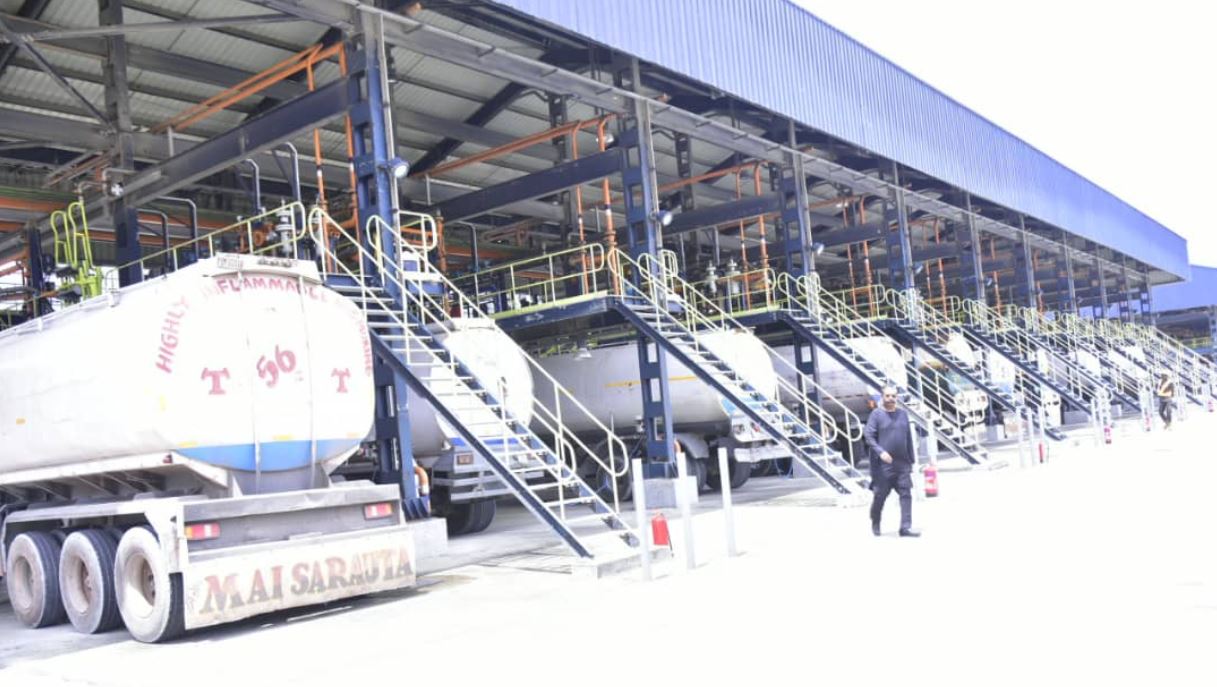
dangote refinery
The House of Representatives Committee on Petroleum Resources (Downstream) has described the Dangote Refinery and other Modular Refineries as assets of strategic national interest.
The Committee’s Chairman, Hon. Ikenga Imo Ugochinyere, who made the declaration in Abuja, said against this backdrop, all stakeholders must unite towards protecting, projecting and promoting these critical national assets.
Ugochinyere said with the operations of these home based plants, the country now proudly boasts of expanding refining capacity and industrial growth across the energy value chain.
He noted that the Dangote Refinery, at 650,000 barrels per day, now stands as Africa’s largest, redefining our refining landscape and boosting regional energy stability.
According to the lawmaker, Indorama Petrochemicals, expanded its urea and fertilizer capacity to 2.8 million metric tonnes per annum, advancing agriculture and gas utilisation.
Ugochinyere also noted that Waltersmith Modular Refinery in Imo State is expanding from 5,000 to 50,000 barrels per day, showing the promise of indigenous enterprise while OPAC Refinery in Delta, and similar projects in Edo and Rivers, continue to advance.
He stressed that these developments, supported by over $13 billion in new upstream investments in 2024 alone, are clear signals of renewed investor confidence in Nigeria’s energy sector.
“The Dangote Refinery and these other modular refineries are assets of strategic national interest. With their giant strides, Nigeria proudly boasts of expanding refining capacity and industrial growth across the energy value chain today.
“These developments, supported by over $13 billion in new upstream investments in 2024 alone, are clear signals of renewed investor confidence in Nigeria’s energy sector. Consequently, we must protect, project and promote these plants and encourage others to spring up in the interest of the country,” he noted.
Ugochinyere commended the recent policy actions of the Nigerian Upstream Petroleum Regulatory Commission’s (NUPRC) to enforce the Domestic Crude Oil Supply Obligation (DCSO) on all producers in Nigeria.
“This bold move ensures that local refineries, including modular and conventional operators have guaranteed access to crude feedstock before export allocations are made. It represents a decisive shift from policy rhetoric to practical support for local value addition, job creation, and energy independence.
“By ensuring that every barrel of Nigerian crude first serves the Nigerian refinery, the NUPRC has sent a strong signal: Nigeria will refine what it produces and consume what it refines.
“The House Committee on Downstream Petroleum Resources fully supports this policy, which aligns with our legislative vision to prioritize domestic refining capacity, enhance supply security, and strengthen the naira through reduced import dependence,” he said.
The committee’s chairman assured the industry players of the panel’s commitment to making the necessary legislative interventions to amongst others grant local refineries first right of refusal on crude allocations and streamline regulations to remove all unnecessary delays.
“We still face challenges, from feedstock shortages and pricing uncertainty to regulatory overlaps. To address these, the House Committee on petroleum resources (downstream) intends to pursue new legislative measures to:
“Grant local refineries first right of refusal on crude allocations.
“Streamline regulations to remove all unnecessary delays.
“Assist the House to Develop a Refinery Protection and Promotion Bill to classify refineries as strategic national assets, ensuring they receive priority protection and support.
“Introduce measures that guarantee unhindered access to crude feedstock and promote non-disruption of refinery operations across the country.”
“These steps are vital to sustaining investor confidence, creating jobs, and strengthening our energy independence. On labour issues, it must be noted that no reform can succeed without industrial harmony.
“The Committee is aware of the recent labour concerns involving Dangote Refinery and sector unions. While such issues are not uncommon in developing economies, they must never be allowed to undermine productivity or national stability.
“We therefore call upon both labour unions and industry operators to always pursue dialogue over disruptions at all times. The House Committee stands ready to facilitate peace, fairness, and mutual respect in all industrial engagements.
“Our shared goal must be to protect jobs, sustain businesses, and promote Nigeria’s economic sovereignty. To all operators in the downstream sector, let me emphasize that responsibility stands equal to profitability,” he added.