
Reps move to limit president’s power to remove EFCC’s chairman
The House of Representatives, on Thursday, passed for second reading a bill seeking to amend the Economic and Financial Crimes Commission (Establishment) Act, 2004 to guarantee greater institutional independence by making it mandatory for the president to get the National Assembly’s approval before the commission’s chairman can be removed from office. Sponsored by Hon. Yusuf […]
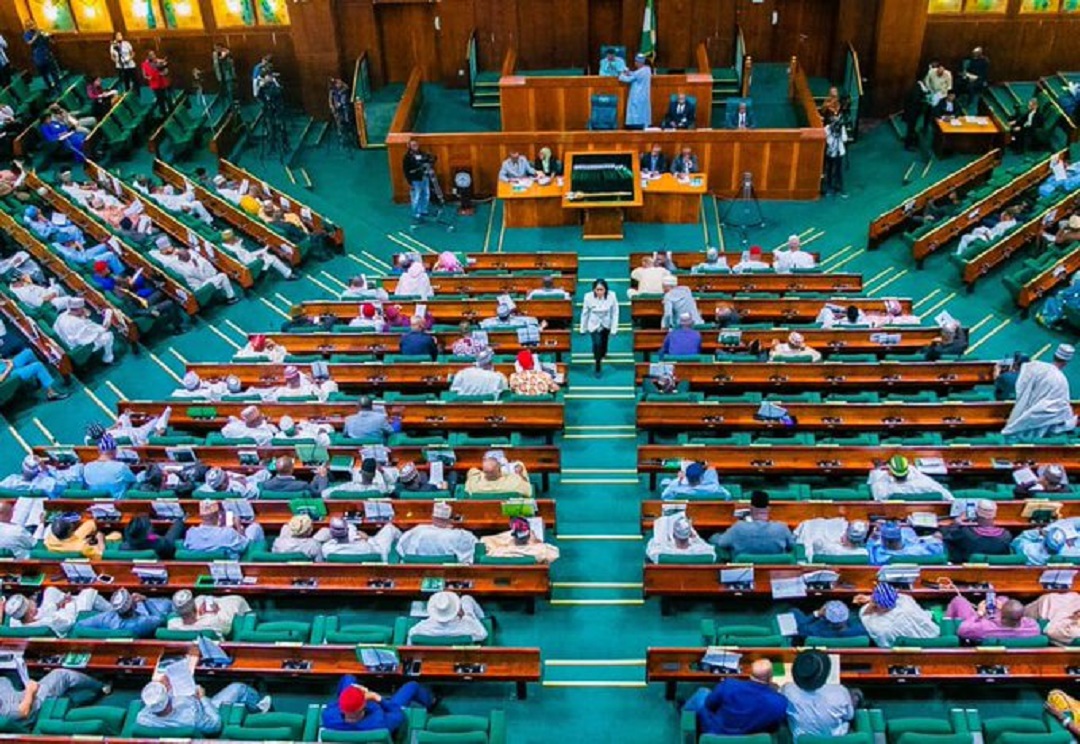
The House of Representatives, on Thursday, passed for second reading a bill seeking to amend the Economic and Financial Crimes Commission (Establishment) Act, 2004 to guarantee greater institutional independence by making it mandatory for the president to get the National Assembly’s approval before the commission’s chairman can be removed from office.
Sponsored by Hon. Yusuf Adamu Gagdi (APC, Plateau), the proposed legislation seeks to insulate the EFCC from political control and align its operations with global anti-corruption standards.
Gagdi, in his lead debate, said one of the major amendments is the proposal to reduce the president’s power to remove the EFCC chairman, which, under the current Act, can be done at the president’s discretion for inability to discharge the functions of his office or for misconduct.
Section 3(2) of the EFCC Act 2004 provides for the condition of removal of the EFCC chairman.
The section said: “A member of the Commission may at any time be removed by the President for inability to discharge the functions of his office (whether arising from infirmity of mind or body or any other cause) or for misconduct or if the President is satisfied that it is not in the interest of the Commission or the interest of the public that the member should continue in office.”
But under the proposed amendment, the lawmaker said the removal of the EFCC chairman would require the approval of a two-thirds majority of both the Senate and the House of Representatives.
Gagdi said the proposed reforms would restore public confidence, enhance transparency, and ensure the EFCC operates as a professional and independent body responsive to modern realities.