
Reps moves to tackle billion dollar oil revenue leakages
The House of Representatives Ad-hoc Committee on Pre-shipment Inspection of Exports and Non-remittance of Crude Oil Proceeds has warned that Nigeria is losing billions of dollars annually to unverified crude shipments, under-declarations, and non-repatriation of export proceeds. Chairman of the committee, Rep. Seyi Sowunmi (LP–Lagos), made the submission at the opening of a capacity-building workshop […]
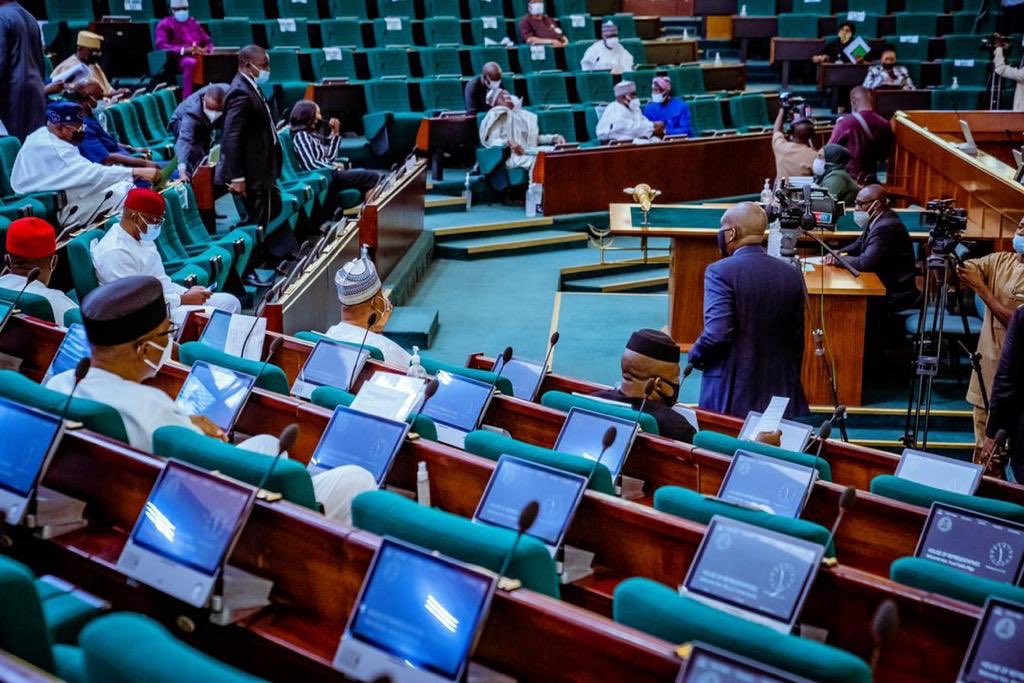
House of Representatives
The House of Representatives Ad-hoc Committee on Pre-shipment Inspection of Exports and Non-remittance of Crude Oil Proceeds has warned that Nigeria is losing billions of dollars annually to unverified crude shipments, under-declarations, and non-repatriation of export proceeds.
Chairman of the committee, Rep. Seyi Sowunmi (LP–Lagos), made the submission at the opening of a capacity-building workshop in Abuja, saying the trend has robbed citizens of hospitals, schools, infrastructure, and opportunities.
“For decades, crude oil has been our economic backbone, yet the system is bleeding,” Sowunmi said. “These leakages are not just numbers — they represent lost futures for millions of young Nigerians.”
He said the anomalies extend beyond crude oil to non-oil exports, stressing that parliament has a constitutional obligation to protect the integrity of the country’s revenue system.
Sowunmi explained that the House established the ad-hoc committee after “alarming evidence” of widespread non-compliance with export and pre-shipment laws. The committee’s mandate, he said, is to expose institutional failures, engage key stakeholders, and propose tough legislative and policy reforms.
“This is not a witch-hunt,” he emphasized. “It is a national mission to recover value, close loopholes, and restore confidence in Nigeria’s economic governance.”
The chairman said the workshop was designed to equip lawmakers with the technical expertise needed to interrogate complex export data, understand crude transaction flows, and make evidence-driven decisions. Experts in international trade compliance, financial intelligence, maritime operations, and forensic auditing are participating as facilitators.
According to him, the capacity-building session is an investment in “competence, credibility, and national integrity,” and the committee will operate with transparency and openness.
“Our task is urgent. Nigeria cannot keep losing foreign exchange because of weak inspection regimes or unremitted proceeds,” Sowunmi said.
“We must ensure that every barrel is digitally tracked, every dollar repatriated, and every actor in the export value chain held accountable,” he added.
He said the committee intends to push Nigeria toward a modernised export governance architecture grounded in technology, compliance, and enforceable sanctions.
“This is a moment for legislative leadership. The era of impunity and unaccounted exports is ending,” he declared.
Also speaking, Rep. Peter Aniekwe (LP–Anambra) urged members to brace for resistance, saying entrenched interests will likely push back as the committee digs deeper.
“They will fight back,” he warned. “But we must stand firm, do the right thing, and deliver results Nigerians can be proud of.”
Workshop sessions will cover the Nigerian Oil & Gas Export Framework, Pre-Shipment Inspection Systems, Crude Oil Revenue Flow and Repatriation, Investigation of Non-Remittance, and Oversight and Reform Strategies, among others.