
Reps to FG: Prevent N100bn annual revenue loss from cocoa
The House of Representatives has called on the federal government to revamp cocoa production through a sound production and regulatory policy that will prevent estimated N100 billion revenue being lost annually. This followed the adoption and passage of a motion moved by Ademurin Kuye (APC, Lagos) at the plenary on Tuesday. Presenting the motion, he […]
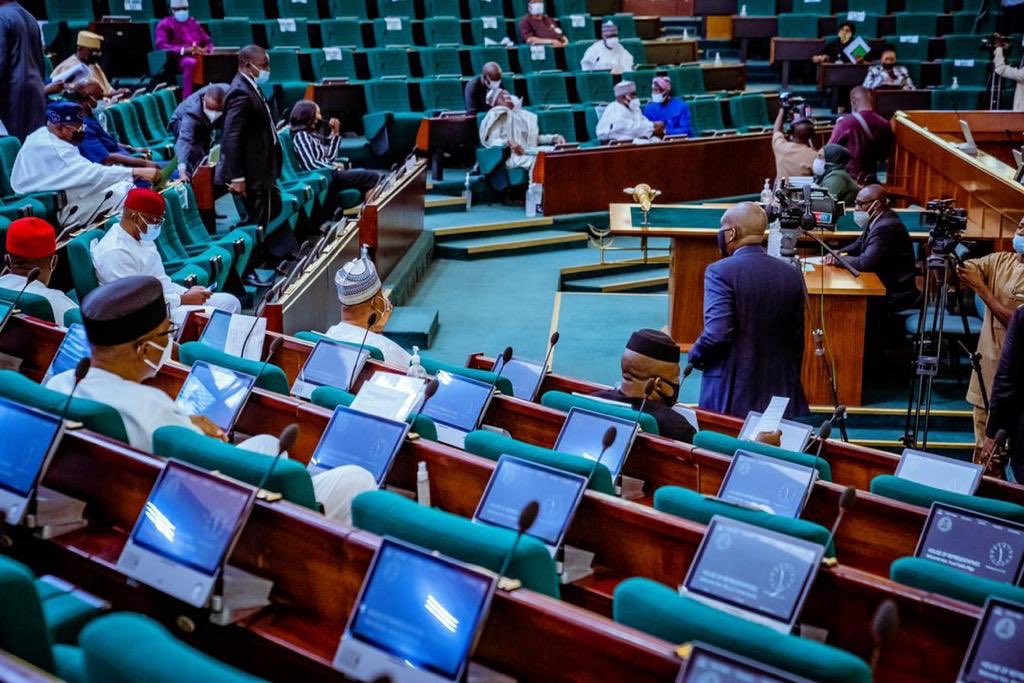
House of Representatives
The House of Representatives has called on the federal government to revamp cocoa production through a sound production and regulatory policy that will prevent estimated N100 billion revenue being lost annually.
This followed the adoption and passage of a motion moved by Ademurin Kuye (APC, Lagos) at the plenary on Tuesday.
Presenting the motion, he said the unregulated and liberalised cocoa industry is depriving cocoa farmers of yearly revenues as they are unable to collect the Living Income Differential (LID) of $400 per tonne paid to cocoa farmers in other countries like Ghana and Cote d’Ivoire, apart from the cocoa floor prices that are paid by world cocoa buyers.
He lamented that despite the availability of arable land and climate to sustain cocoa production in Nigeria, the country has fallen down the line in the pecking order in Africa and the world respectively.
Kuye said: “Over 100 billion naira revenue is lost annually due to the federal government’s non-commitment to find sustainable, executable solutions to problems bedevilling the cocoa industry.
“Despite the cyclical ambivalence of oil, the country’s major foreign exchange earner, the federal government has been unable to look into cocoa which is a potential growth sector that could serve as a buffer during periods of oil-induced recessions.”
The lawmaker lamented that Nigeria was once the second-largest producer in the world with 450,000 tonnes, and cocoa was the country’s top foreign exchange earner in the 1950s and 1960s before the discovery of crude oil in commercial quantities in the 1970s.
He added that the Nigerian cocoa market crashed in the 1990s when production fell to 170,000 tonnes and was also impacted by the Structural Adjustment Policies of the late 1980s including the dissolution of the Cocoa Marketing Board to liberalise its marketing trade and allow improved output and pricing.
He added: “The National Cocoa Development Committee, Established in December 1999 by the Obasanjo administration, was tasked to improve cocoa quality and increase production from 170,000 tonnes to 300,000 tonnes and 600,000 tonnes per annum in the short and long term respectively.”