
Reps’ wives partner PLAC to advance Special Seats Bill for Women
Wives of members of the House of Representatives under the aegis of House of Representatives Spouses Association (HORSA) said they will partner with the Policy and Legal Advocacy Centre (PLAC) to strengthen advocacy efforts for the passage of the Special Seats Bill aimed at increasing women’s representation in parliament. Chairperson of the association and wife […]
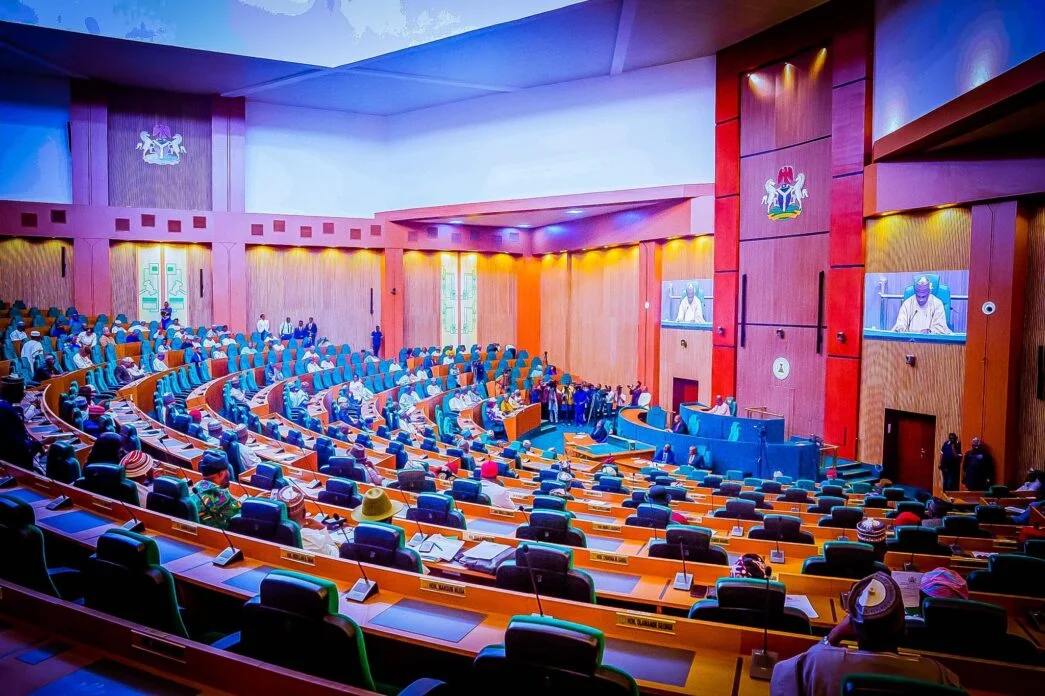
house of reps
Wives of members of the House of Representatives under the aegis of House of Representatives Spouses Association (HORSA) said they will partner with the Policy and Legal Advocacy Centre (PLAC) to strengthen advocacy efforts for the passage of the Special Seats Bill aimed at increasing women’s representation in parliament.
Chairperson of the association and wife of the Speaker, Fatima Abbas Tajudeen said this during a courtesy visit to PLAC in Abuja where she commended the organisation for its contributions to democratic governance, legislative strengthening, civic engagement and inclusive representation in Nigeria.
She particularly praised PLAC’s commitment to advancing women’s political participation through sustained advocacy for the Special Seats Bill, describing the proposed legislation as a critical step towards building a more inclusive and representative democracy.
According to her, the bill goes beyond constitutional amendment and represents a strategic pathway for creating greater opportunities for women to contribute to governance and national development.
She proposed that HORSA and PLAC jointly organise a high-level strategic workshop involving legislators, development partners, advocates and other stakeholders to develop practical strategies for strengthening support for the bill.
Speaking, the Executive Director of PLAC, Clement Nwankwo, reaffirmed the organisation’s commitment to supporting initiatives that promote women’s political participation and representation.
Nwankwo said PLAC had spent more than seven years studying successful models of women’s representation across Africa, including experiences from South Africa, Senegal and Kenya.
He said the findings from those engagements informed part of the development of the Special Seats Bill and other advocacy initiatives aimed at improving women’s representation in governance.
“While compromises may be required during the legislative process, increasing the number of women in elected offices remains critical to strengthening democratic governance and broadening representation,” he said.
Nwankwo clarified that the appropriate title of the proposed legislation is the Special Seats for Women Bill.
He noted that different descriptions had emerged as the bill evolved through consultations and legislative reviews.
He added that the priority for stakeholders remained securing the passage of the bill, after which its final title and provisions would be reflected in law.
Mrs Tolulope Akande-Sadipe, Chairman of the House Committee on Humanitarian Affairs, said misconceptions surrounding the bill remained one of the major obstacles to its acceptance.
Also speaking, the Chairman, House Committee on Women Affairs, Mrs Kafilat Ogbara, appealed to spouses of lawmakers to continue supporting efforts to secure the passage of the bill.
Ogbara described the spouses as critical stakeholders with significant influence and urged them to sustain engagement with their partners in support of women’s inclusion in governance.