
Rescue of American hostage in Nigeria
Penultimate Saturday, United States (US) elite Navy SEAL Team 6, executed a daring high-risk raid in northern Nigeria, rescuing its national, Mr Philip Walton, who was held hostage by a group of unidentified armed men. Walton, 27, was seized by bandits on Monday, October 26 and moved to a ‘secure safekeeping’ location in northern Nigeria. […]
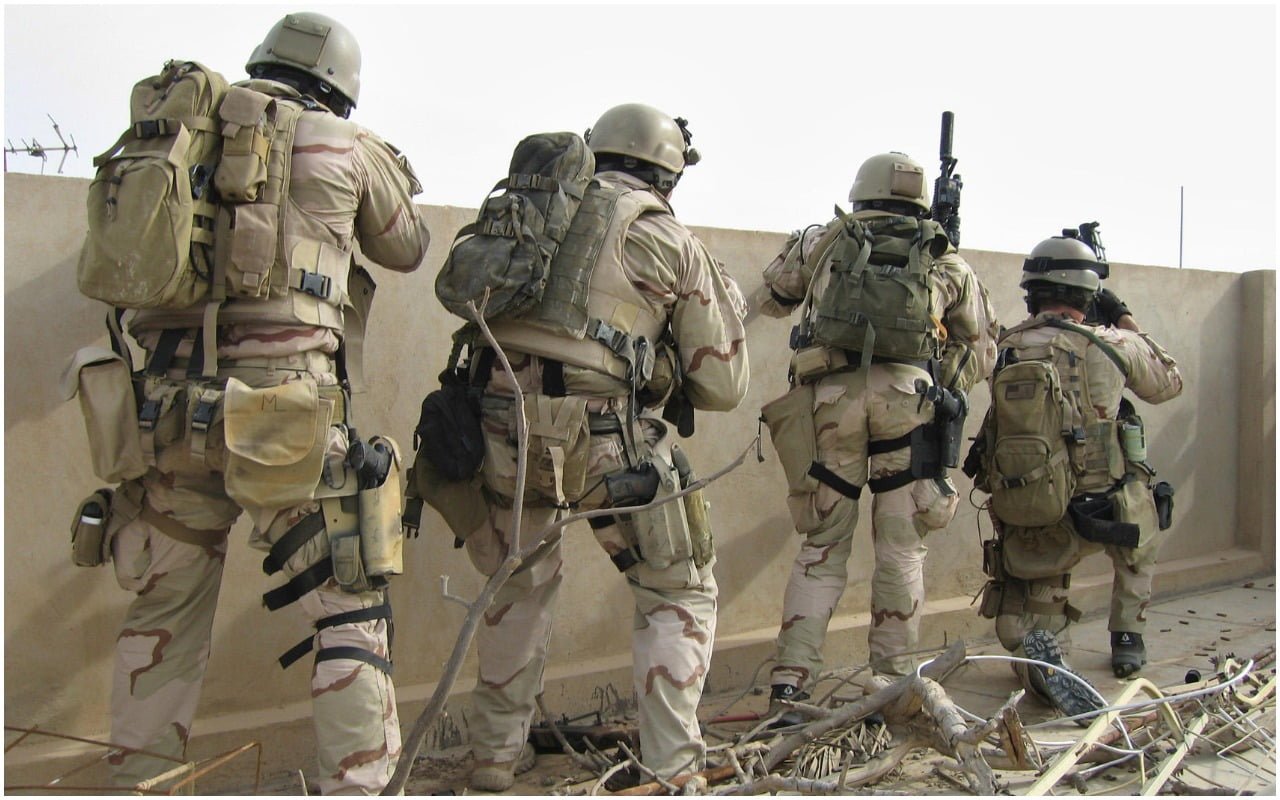
Penultimate Saturday, United States (US) elite Navy SEAL Team 6, executed a daring high-risk raid in northern Nigeria, rescuing its national, Mr Philip Walton, who was held hostage by a group of unidentified armed men.
Walton, 27, was seized by bandits on Monday, October 26 and moved to a ‘secure safekeeping’ location in northern Nigeria.
The operation involved the governments of US, Niger Republic and Nigeria, working together. And they acted swiftly in rescuing Walton to ensure that he did not end up being taken by or sold to Boko Haram, the Islamic State in West African Province (ISWAP) or any of the terrorists affiliated with either Al Qaeda or ISIS.
The CIA provided intelligence leading to Walton’s whereabouts and Marine Special Operations elements in Africa helped locate him before the elite SEAL team carried out a “precision” hostage rescue mission, killing all but one of the seven captors, “before they knew what happened.”
The US, in carrying out the operation, believed the captors have no known affiliation with any terror groups operating in the region and were more likely to be bandits seeking money.
The governor of the Nigerien region where the abduction took place, Abdourahamane Moussa, said six men on motorbikes armed with AK-47 rifles came to Walton’s property where he lived with his wife and young daughter on a farm near Massalata, close to the border with Nigeria. That after demanding for money, he only offered them $40. The bandits then took the American with them in the direction of the Nigerian border.
President Donald Trump called the rescue mission a “big win for our very elite US Special Forces.” The US military headquarters, the Pentagon, lauded the mission in a statement by chief spokesman Jonathan Hoffman who said the “US forces conducted a hostage rescue operation during the early hours of 31 October in northern Nigeria to recover an American citizen held hostage by a group of armed men… We appreciate the support of our international partners in conducting this operation.”
Secretary of State, Mike Pompeo, said: “Thanks to the extraordinary courage and capabilities of our military, the support of our intelligence professionals, and our diplomatic efforts, the hostage will be reunited with his family. We will never abandon any American taken hostage.”
The US started preparations for Walton’s rescue immediately he was abducted. Generally, the type of operation that rescued Walton is among the most difficult to execute as any mistake could easily lead to his death. So, to the US Joint Special Operations Command (JSOC), which coordinated the operations, and the CIA, it was worth the celebrations that followed its success.
Walton is lucky. Another American, a humanitarian aid worker, Jeffery Rey Woodke, 60, has been held hostage for the past four years since being kidnapped in northern Niger by militants.
While the Americans and the global community laud the rescue, Nigerians were ambivalent as they wished the armed forces of Nigeria could replicate such feat in rescuing citizens abducted by bandits and terrorist organisations.
Whatever the feeling, it must be acknowledged that the Americans showed class with their professionalism and commitment to their citizens caught up abroad especially in the hands of non-state actors.
Generally, Nigerians feel the nation’s armed forces should have conducted similar operations to rescue the Chibok Girls or Leah Sharibu. Therefore the military should, as a matter of urgency, develop the capacity to respond to such situations that involve the rescue of its citizens especially within the country. In this vein, the military’s special forces and those of the police and Department of State Services (DSS) should rise up to the occasion.
In addition, Nigeria should not hesitate to seek foreign assistance to build capacity for such precise operations or to request cooperation towards extricating its citizens abducted within the country or abroad.