
Revised code for marketing of breastmilk substitutes
Many people probably think infant formulas are harmless – but they are not, when we understand that these formulas are often used as substitutes for something much more nutritious: Breastmilk! The use of infant formulas, in fact, has been linked to higher rates of infant mortality. So, for many years, marketing of infant formulas has […]
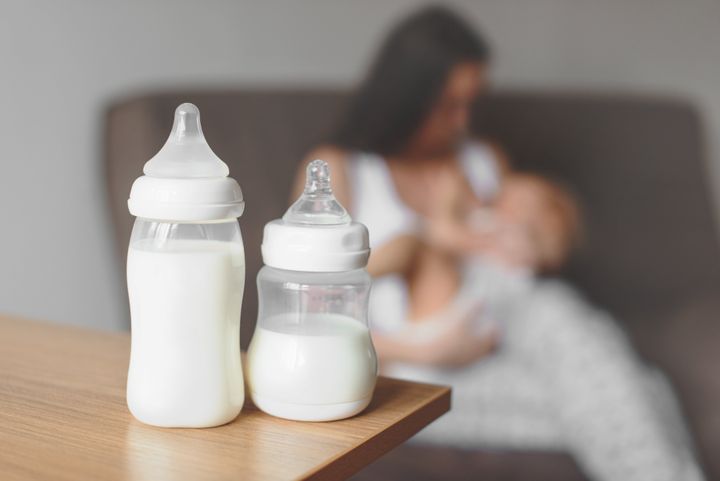
Many people probably think infant formulas are harmless – but they are not, when we understand that these formulas are often used as substitutes for something much more nutritious: Breastmilk! The use of infant formulas, in fact, has been linked to higher rates of infant mortality. So, for many years, marketing of infant formulas has been discouraged around the world – in fact, Nigeria has National Regulations on the Marketing of Breastmilk Substitutes (BMS) that prohibit the aggressive marketing of infant formula. Unfortunately, this marketing continues to occur, directly violating the law.
Breastmilk saves lives, improves the health of women and children and contributes to child brain development; increases intelligence and lifelong productivity. Promoting exclusive breastfeeding is one of the smartest investments a country can make. Exclusive breastfeeding for the first six months of life means that a baby receives only breastmilk—no water, infant formula, nor other liquids. Breastmilk contains all the water and nutrients a baby needs during the first six months of life—even in hot, dry climates.
Despite the benefits of breastmilk, only roughly 1 in 3 infants in Nigeria are breastfed exclusively for the first six months of life. Years and years of research around the world have established without doubt that breastfeeding is one of the most cost-effective and impactful interventions for reducing malnutrition and under-five mortality—both of which are very high in Nigeria. The research shows that infants under six months who are not breastfed are three to four times more likely to die than those who receive any breastmilk. Nearly half of all diarrhea episodes and one-third of all respiratory infections in infants would be prevented with increased breastfeeding.
A study in 2017 by Alive & Thrive and UNICEF estimated that in Nigeria, 103,742 lives could be saved annually through improved breastfeeding practices. In addition, the study revealed that the annual cost of treating children with diarrhea and pneumonia resulting from inadequate breastfeeding practices is approximately NGN 6.93 billion in addition to the emotional stress of parents who must care for sick children. In terms of the economic costs of the use of BMS by Nigerian families, the authors found that the cost of purchasing economy brand infant formula can be significant – up to 34% of a family’s earnings for the first two years of a child’s life.
In 1981, the World Health Assembly (WHA) adopted a resolution for member countries to implement a Code of Marketing of Breastmilk Substitutes (BMS Code) in response to concerns from member states about a rise in infant mortality as a result of promotion of infant formula. The Code is aimed at protecting and promoting -the right infant and young child feeding practices by controlling inappropriate marketing of breastmilk substitutes (BMS). The BMS Code covers products such as infant formula, follow-on formula, growing-up milk, and other related products. Nigeria was a signatory to the adoption of the Code in 1981 and has enacted legislation and developed National Regulations in line with the provisions of the Code. Nigeria also recently approved the Marketing of Infant and Young Children Food and Other Designated Products Regulations 2019 to bring it in line with the latest World Health Assembly Resolutions. Concerted efforts are therefore needed from all stakeholders to ensure its effective implementation.
The 2018 Access to Nutrition Foundation Study on the BMS Code implementation in Nigeria revealed that while infant formula companies made as much as NGN 60 billion in 2017 alone and continue to grow with new brands being sold in open markets, there is little adherence to the Nigeria BMS code. We need to act urgently to strengthen the implementation and monitoring of the law in order to protect and promote the health of all Nigerian children – and mothers.
In 2020, the National Agency for Food and Drugs Administration and Control (NAFDAC) should step up its efforts to ensure that exclusive breastfeeding is protected and that all key stakeholders abide by the regulations of the BMS Code.
NAFDAC should conduct regular routine monitoring at health facilitates and sales outlets around the country to redress the antics of manufacturers of breastmilk substitutes who are exploiting the health system and getting health workers to encourage young mothers to choose breastmilk substitutes instead of practising exclusive breastfeeding.
Health workers should be knowledgeable about the benefits of exclusive breastfeeding and support mothers to exclusively breastfeed their babies and more resources should be dedicated to educating mothers and their families, healthcare workers and communities about the value of breastfeeding and the requirements of the Code.
NAFDAC should publish and disseminate the Marketing Of Infant and Young Children Food and Other Designated Products Regulations 2019 and establish its full effect with stricter regime of sanctions on erring companies and individuals. NAFDAC and other key stakeholders should also work to ensure that there is no cross promotion of milk-based products aimed at older children with similar branding and packaging thereby subtly marketing breastmilk substitutes to unsuspecting parents of infants.
Government at all levels has a responsibility to promote, protect and support breastfeeding. There must be adequate investment in the training of healthcare workers across primary and secondary levels of care to promote breastfeeding including supporting mothers to breastfeed optimally and sensitising communities to ensure that Breastmilk Substitutes do not undermine appropriate breastfeeding practices.
Sani wrote from Lagos.