
Revitalising Nigeria’s ports: The strategic renewal of Warri and Koko
Much of a nation’s fortune can be read in the movement of its ships. In the grand tapestry of Nigeria’s economic life, seaports are not mere points of entry and exit. They are the lungs through which the economy breathes; the beating heart that sustains the lifeblood of trade and commerce. For decades, the spotlight […]
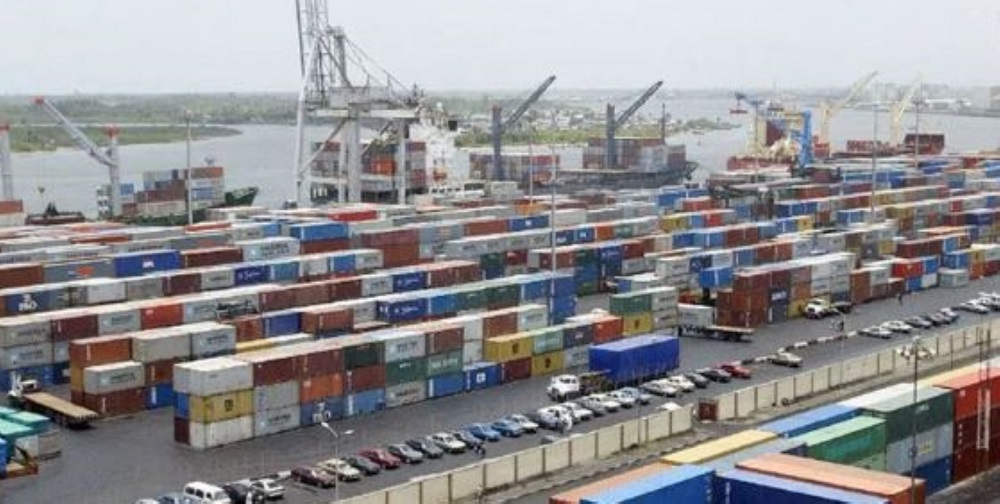
Much of a nation’s fortune can be read in the movement of its ships. In the grand tapestry of Nigeria’s economic life, seaports are not mere points of entry and exit. They are the lungs through which the economy breathes; the beating heart that sustains the lifeblood of trade and commerce. For decades, the spotlight has lingered on the sprawling, often congested ports of Lagos, while quieter harbours elsewhere have languished in the shadows. Yet, in the vast and vital Niger Delta, a quiet but resolute renaissance is unfolding. Here, the twin ports of Warri and Koko are reclaiming their rightful place as dynamic arteries of national prosperity. This is not an exercise in sentiment but a deliberate recalibration of Nigeria’s maritime strategy through infrastructure renewal and operational rebirth.
To be clear, at the centre of this unfolding story lies a philosophy of purposeful governance. It is not a tale of lofty promises but of verifiable progress. Under the steady stewardship of the Nigerian Ports Authority’s executive management, a clear, disciplined campaign has taken root. The mission is to make these ports more than ceremonial gateways. They must be competitive, efficient, secure, and integrated with the local communities that nurture them. This is service to the nation measured not in speeches, but in results that can be seen, touched, and quantified.
To appreciate the magnitude of this effort, one must understand the complexity of the task. Revitalising a port system located within the hydrographically delicate Niger Delta is no small undertaking. It demands an intricate choreography of marine engineering, infrastructure repair, and human coordination. The approach channel must be deepened. The physical quays must be strengthened. The human element, the soul of the enterprise, must be inspired. The management of the NPA has embraced this multidimensional challenge with uncommon precision, operating not as bureaucrats but as master planners who recognise that global shipping confidence is earned by evidence, not announcements.
Results are beginning to speak in the universal language of numbers and visible progress. The main channel has been dredged, deepening the navigable draft and enabling larger vessels to call safely and efficiently. This tangible improvement has re-established Warri and Koko as viable destinations within the international maritime circuit. It is not a one-off exercise but part of a sustainable maintenance model designed to keep the ports perpetually ready. Confidence, that elusive currency of the maritime world, is being rebuilt grain by grain, wave by wave.
Operational reliability has been fortified by the completion and inauguration of the Escravos and Ramos Signal Stations. These modern facilities, equipped with advanced marine communication systems, now serve as the nerve centres for vessel traffic management. Delays are shrinking, efficiency is rising, and safety standards now align with international benchmarks. Infrastructure, too, has received strategic attention. The installation of new bollards at Koko Port’s Quay Apron has resolved a critical safety gap, ensuring smoother berthing and cargo operations. Security has been strengthened with the deployment of the Marine Security Boat, SPB Likoro, whose presence patrols the channels and safeguards against unauthorised access. Each of these actions, though technical in description, collectively strengthens Nigeria’s maritime sovereignty.
Nothing captures the spirit of this renewal better than the emphasis on human capital. Professional excellence has become the anchor of this transformation. Rigorous examinations for Marine Pilots in the Warri Pilotage District have revalidated competencies to global standards, guaranteeing that captains navigating the Delta waters do so under the guidance of certified professionals. Simultaneously, the NPA has extended its reformist gaze to community relations and workforce welfare. Projects such as the construction of the Delta Port Clinic Extension and the rehabilitation of the Administrative Annexe Building demonstrate a holistic understanding that no port can thrive without the wellbeing of its people.
Meanwhile, navigation itself is receiving renewed focus through forward-looking projects. Plans for the reconstruction of the collapsed breakwaters will dramatically reduce siltation, ensuring safer and deeper approaches for incoming vessels. The planned illumination of the ports will extend operational hours and symbolise a new dawn of confidence, readiness, and safety across the entire Delta Port system.
These multi-layered interventions are producing measurable outcomes. Operational data from the first three quarters of 2025 tell a story of efficiency reborn. An average vessel turnaround time of 2.89 days and a waiting time of just 1.99 days represent a dramatic improvement from the stagnation of the past. The ports handled over 293,000 metric tonnes of cargo and contributed an estimated 10.7% to national trade volume. These are not sterile figures. They are living proof that strategic renewal, executed with discipline, yields national dividends.
Beyond the figures and the docks, there is a deeper story unfolding, one of harmony between industry and community. The NPA’s engagement with Traditional Rulers such as the Orodje of Okpe, the Olu of Warri, and the Pere of Ogbe Ijoh reflects a profound understanding that social stability is the foundation of economic progress. This synergy, built on respect and shared interest, ensures that development remains inclusive and sustainable.
This cooperative spirit extends to every stakeholder within the maritime ecosystem. From regulatory agencies to workers’ unions, a culture of collaboration is replacing the old adversarial postures that once hindered progress. The sustained industrial peace between port management and labour unions stands as living testimony to this new ethos of partnership.
In truth, the quiet transformation at Warri and Koko transcends the revival of two ports. It is an act of national rebalancing. It represents a redistribution of economic gravity away from the congested arteries of Lagos to a more equitable and resilient maritime network. It embodies Nigeria’s commitment to building an integrated logistics system that empowers hinterland economies, promotes non-oil exports, and propels the blue economy vision into reality.
What is happening in the Delta Ports today is nation-building expressed in concrete and steel, in dredgers and signal stations, in the smiles of dockworkers and the confidence of shipowners. It is a statement of intent from a nation determined to modernise without losing its soul. It is proof that when leadership is deliberate, vision becomes infrastructure, and policy becomes prosperity.
Ebitimi, a maritime lawyer, is based in PH